

























































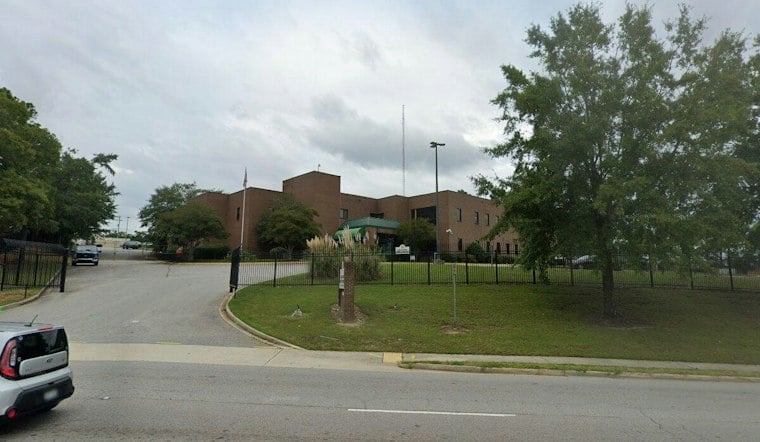
Richland County Sheriff Leon Lott asked for 21 additional deputies to keep pace with growth in Blythewood and along the Bluff Road corridor, but the county didn’t fund a single one of those positions. The request, built into the fiscal year 2027 budget process, would have added 15 deputies for the fast-growing Blythewood and Scout Motors area and six for the Bluff Road corridor in southeastern Richland County.
County administration recommended no funding for the 21 positions, and the Richland County Council adopted that recommendation when it held its final budget reading in June, according to WLTX. The sheriff’s department had requested roughly $1.6 million for the additional positions, per the FY2027 budget book cited by the station. Lott said the department currently has slightly more than 600 deputies and that response times have not slowed, but he’s concerned that could change without more staff to cover the county’s expanding footprint.
A Department Stretched Thin, Not Short-Handed
Lott was careful to draw a distinction: this isn’t a recruiting crisis. He said the department does not have difficulty recruiting applicants or filling its existing positions, the station reported. The issue, as he described it, is that growth is adding ground to cover faster than the budget is adding people to cover it, and maintaining current service levels may become more difficult without additional personnel.
That distinction matters because training a new deputy can take as long as 18 months before they’re cleared for independent patrol, meaning any funding approved today wouldn’t show up on the street for well over a year. Lott said moving deputies from other communities to cover Blythewood and Bluff Road would simply create problems elsewhere, and he plans to bring the request back again in a future budget cycle, according to the same report.
Why Blythewood Keeps Showing Up In Budget Fights
The numbers behind Lott’s request aren’t abstract. Blythewood grew 135 percent to 4,772 residents between 2010 and 2020, making it South Carolina’s fifth-fastest-growing town in that decade’s census, according to The Post and Courier. Mayor Bryan Franklin has said the ZIP code surrounding the town has doubled in population as well, the paper reported.
Much of that growth traces back to Scout Motors, which is investing more than $2 billion in a production center expected to create more than 4,000 permanent jobs. The automaker also announced an additional $300 million investment in an on-site supplier park projected to support roughly 1,000 more jobs, with that expansion expected to be completed and begin production alongside the rest of the facility in late 2027. Housing has followed the jobs: Richland County gave initial 10-1 approval in May to a rezoning that would allow 255 homes in Blythewood, with construction slated to begin in summer 2028 and full build-out by 2033, and a separate developer has proposed 182 more homes on over 80 acres off Wilson Road. Blythewood Councilmember Trish Hovis has warned that growth without adequate planning could strain emergency services, including law enforcement.
New Public Safety Hub Coming, But Who Staffs It?
Richland County has also invested in a new facility near Atlas Road for sheriff’s operations and a magistrate’s office, expected to open in January 2027. Lott said the department currently lacks the deputies to staff it, a gap that underscores his broader argument that public safety staffing should be factored in whenever local leaders plan major developments. He said insufficient staffing may become more apparent as construction continues across the county.
The concern isn’t limited to Blythewood. Jonnieka Farr, executive director of the NE Columbia Empowerment Coalition, said northeast Columbia needs increased patrolling as well, pointing to a countywide pattern rather than a single neighborhood’s problem.
How the Budget Fight Actually Works
Richland County Councilman Don Weaver, who serves on the council’s administration and finance committee, said the county has to balance personnel requests like the sheriff’s against the financial needs of emergency services, courts and other county operations. Department heads bring their requests to County Administrator Leonardo Brown, who makes funding recommendations to council, and it’s council that ultimately determines what gets approved.
Weaver said council retains the power to modify the administrator’s recommendations, and that department leaders who disagree with a recommendation can raise those concerns directly with council members. He also noted that rising fuel prices, salary costs and routine expenses can drive up the cost of simply maintaining existing services, even before new positions are added, and that growth brings both additional tax revenue and additional demand for public-safety services. Weaver encouraged departments to submit funding requests early, ideally in February or March, to give council more room to weigh them.
For now, the 21 positions remain unfunded, and Lott has said he intends to ask again. Whether the outcome changes next budget cycle will likely hinge on the same tension Weaver described: a county trying to keep up with its own growth while deciding which departments get to grow with it.




