

























































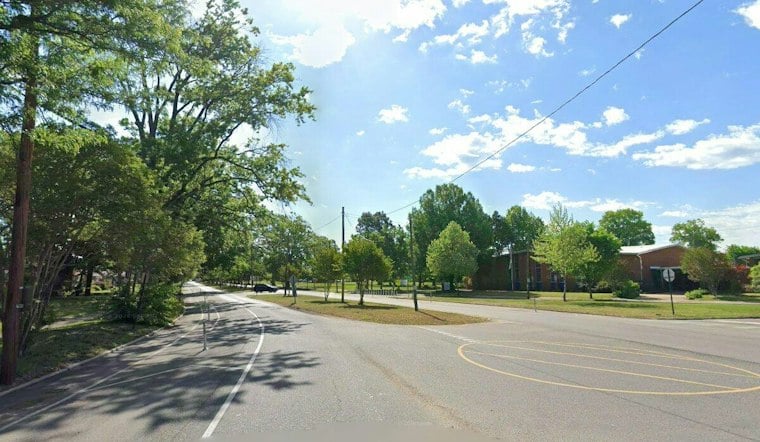
Richmond City Council gave its approval Monday to Richmond Waldorf School's proposed purchase of a city-owned triangle of land and a closed turning lane tucked into Sherwood Park, clearing the way for the school to pay roughly $100,000 for a strip of green space that has divided neighbors for months.
The vote, confirmed by The Richmonder, formalizes a deal in which Waldorf has agreed to pay about $100,000 for the property, a figure that equals the city's assessed value once a utility easement is factored in. That price tracks closely with what an August neighborhood association post had flagged, listing the proposed purchase price for both the slip lane and the triangular green space at $100,792.48, according to a Sherwood Park neighborhood association post from that month.
The parcel in question is an approximately 8,000-square-foot grassy area sitting at the intersection of Brookland Parkway and Robin Hood Road, per the same Richmonder report. Alongside it sits a turning lane running from Robin Hood Road to Brookland Parkway that has been blocked off with temporary posts since 2022, the outlet notes.
What Waldorf Plans to Build
Per the school's plan, Richmond Waldorf School intends to redevelop the property into a small parking lot with drop-off access for its early-childhood program, paired with native-plant-heavy landscaping. The report notes that most of the property would remain green space, with plantings intended to reflect Sherwood Park's existing aesthetics.
Andrew Ross, executive director of the Richmond Waldorf School, argued that doing nothing with the parcel — which stretches nearly 300 feet along the school's front door — should not remain an option. Ross has said existing conditions confuse drivers and lead to erratic, dangerous decisions that compromise pedestrian and cyclist safety, according to the article. To address those concerns, Ross pledged sidewalk improvements, hardened bike-lane barriers, a new crosswalk for Robin Hood Road, and a rectangular rapid-flashing beacon for an existing Brookland Parkway crosswalk.
Neighbors Push Back Over Safety and History
Opposition has been persistent. A neighborhood survey found that more than half of respondents did not support selling both the closed turning lane and the triangle of land, Chris Banks said, a point echoed in the same Richmonder coverage. Some Sherwood Park residents have turned out at Planning Commission and City Council meetings over the spring and summer to oppose the plan, the report states.
Tara Fitzpatrick has raised multiple objections, saying a parking lot would create additional conflicts for pedestrians and cyclists and that the plan conflicts with Richmond's Vision Zero goal of eliminating traffic deaths by adding conflict points along an established bikeway. She has also argued the city should retain the land because future area development needs remain uncertain.
Separately, neighbors and preservationists have contended that converting the green wedge into parking would damage the neighborhood's historic fabric, with some arguing the parcel is part of a Frederick Law Olmsted–designed landscape, according to CitizenPortal.ai. Not every council member sees it that way: 3rd District representative Kenya Gibson, who represents Richmond's Northside, has said the land is an eyesore and that the school will put it to good use and beautify it.
Conditions Still Ahead Before the Sale Closes
The approval doesn't close the deal outright. Waldorf must meet a list of criteria within the next 18 months to complete the purchase, including city approval of a site plan, the Richmonder reports. The Planning Commission endorsed the site plan back in July, but it must still approve a formal amendment to the school's institutional master plan, with that review including a public hearing on the site's specific design.
The Department of Public Works, for its part, has said it currently has no plans for the closed turning lane. Department director Bobby Vincent has said the department is willing to work with either side as the process moves forward.
The property is zoned institutional, and the school has described itself as serving a growing student population as it seeks more functional space around its campus. With the council vote now in hand, the next real test comes when the Planning Commission takes up the master plan amendment and holds its public hearing on the design — the stage where Sherwood Park's safety and preservation concerns are likely to resurface.




