

























































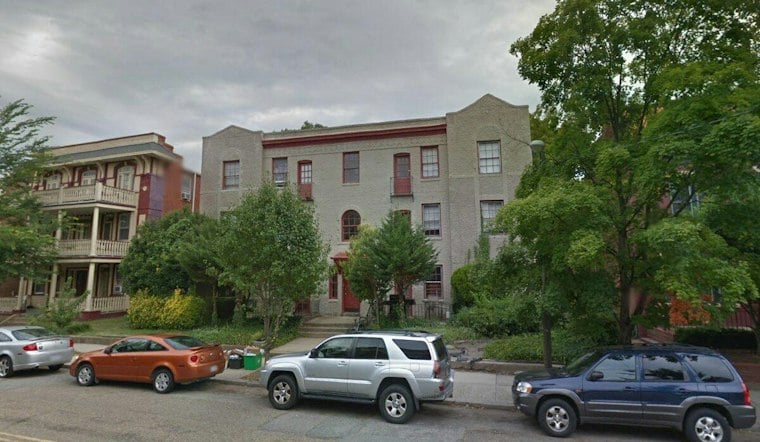
The practical change for Richmond drivers is where the distance starts: the city now prohibits parking within 20 feet of an intersection corner, replacing its former 30-foot restriction measured from the stop sign. City Council’s vote took effect immediately.
The vote comes after a sharp jump in citations tied to the old rule. According to Axios, Richmond City Council approved the change easing the city's stop-sign parking restrictions, swapping out the previous 30-foot buffer for a new 20-foot standard measured from a street corner. The outlet reported the shift was immediate, with no phase-in period for drivers or enforcement officers to adjust.
The change followed a sharp rise in citations under the old rule. Citations increased from 358 in 2025 to 1,359 so far this year, and nearly 9 in 10 of the analyzed citations were issued in the city's 2nd District — which includes The Fan, Jackson Ward, Carver and Scott's Addition — according to WRIC ABC 8News. Axios reported the figures in an earlier story on the proposed rule change.
Residents Split Over Visibility and Fairness
Residents disagreed over the trade-off. Some called the city's ticketing practices confusing and unfair, while others warned that allowing cars to park closer to intersections could create safety hazards, per the same Axios report.
Supporters argued that the change would bring Richmond in line with neighboring counties and standards used across Virginia, according to the earlier Axios report. Councilmember Katherine Jordan proposed replacing the 30-foot stop-sign restriction with a 20-foot rule measured from the intersection corner.
Transportation Director Defends the Extra Distance
Richmond Transportation Director Andy Boenau said the extra 10 feet — the gap between the old 30-foot rule and the new 20-foot one — gives drivers more time to see and react to stop signs, the station's report noted. The city will still allow parking closer to some corners when engineers determine it's safe to do so, such as on one-way streets, according to the same account.
Council isn't leaving the rollout unsupervised. Public Works officials must submit an implementation plan within 60 days and a follow-up report within six months, and that report has to address enforcement changes, intersections that may need larger no-parking zones, and any safety concerns that surface along the way, per Axios.
A Citywide Ticketing Pattern Beyond Stop Signs
The stop-sign fight sits inside a much larger parking-enforcement picture in Richmond. The Richmonder found that the city issues roughly 11,000 parking tickets and collects about $460,000 in fines per month on average, though total parking-violation revenue fell 14% between 2019 and 2023 and still hadn't returned to pre-pandemic levels. Over an eight-year stretch, the outlet calculated that Richmonders paid $42.9 million in parking tickets altogether.
Crosswalk and corner enforcement has been a recurring flashpoint even before this latest rule change. A two-month parking crackdown led to 204 tickets, nearly half of them for parking too close to a crosswalk, and police said they intended to keep enforcing parking restrictions after the Keep Corners Clear initiative wrapped up on March 12, as reported by The Richmonder.
Virginia's underlying traffic code already sets its own baseline for intersection parking. State law, under Virginia Code § 46.2-1239, prohibits parking within 20 feet of the intersection of curb lines, or within 15 feet of the intersection of property lines where no curb lines exist — language that mirrors the distance Richmond just adopted locally.
What Richmond's crash data shows
Richmond's Vision Zero Action Plan, drawing on 2017–2019 data, said half of pedestrian fatalities and serious injuries occurred at intersections. Those data do not establish whether the share has changed in more recent years, or link the crashes to parked cars, according to the Richmond Vision Zero Action Plan.
Richmond isn't the only city grappling with where exactly a car can legally sit near an intersection. In Richmond, California, a separate 20-foot prohibition tied to the state's so-called daylighting law, Assembly Bill 413, is meant to improve pedestrian safety, according to Richmondside. That city's Public Works Director Daniel Chavarria said officials did not plan to proactively mark curbs or install signage citywide, focusing instead on spots where concerns were raised.





