

























































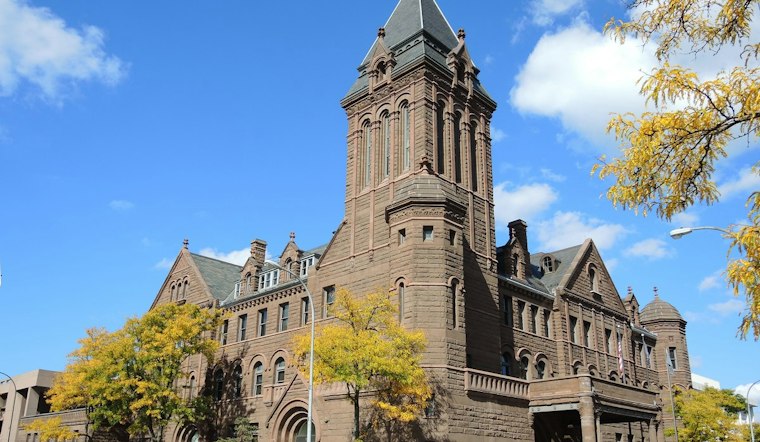
Rochester Area Economic Development Inc. is pushing back against a proposed citywide moratorium that would freeze new data center development in Rochester for up to a year, arguing the pause isn't needed even as city planners say they want time to catch up to an industry the local development code doesn't yet address. The fight sets up a tense Monday night showdown at City Hall, where a public hearing is scheduled to let residents weigh in before the City Council decides.
What RAEDI Is Telling The Council
In a letter the City Council received Friday, RAEDI said it supports a broader review of data centers' potential impacts and regulatory standards, but insisted that work doesn't require hitting pause on development, according to Post Bulletin. The group warned the moratorium could create unnecessary uncertainty and damage Rochester's reputation as a place that welcomes innovation and private investment. Notably, RAEDI said that, to its knowledge, no large-scale data center proposal is currently pending anywhere in the city.
John Wade, representing RAEDI, questioned whether a moratorium is even necessary without a known project requiring immediate action, the same report notes. Wade also urged the city to draw a sharp line between massive data centers and the smaller support facilities that healthcare, research, technology firms and other existing Rochester businesses already rely on, arguing their infrastructure needs and community impacts may differ significantly.
The Proposal Rochester Staff Put Forward
Rochester Community Development staff drafted the temporary ban specifically because the city's Unified Development Code, which governs development and land uses citywide, does not directly address data centers as a category. Under state law, the interim ordinance could last up to a year, the report states. The proposal defines a data center broadly as a building or facility used principally to store, manage, process or transmit digital data and house related computer or network equipment, and the ban could extend to accessory structures like offices, air handlers, power generators, water-cooling systems, water storage facilities and utility substations, according to a separate Post Bulletin report. Minnesota law limits an interim ordinance like this one to one year, with a potential 18-month extension under specific legal conditions, that report adds.
Council President Randy Schubring has said there isn't currently a specific data center proposal before the city, despite public speculation, according to KIMT. Schubring named water use as a top concern, noting Rochester draws from aquifers and is already weighing future water sources. KIMT reports the proposed study, if the moratorium passes, would examine data centers' potential effects on water, utilities, land use and surrounding communities — and a data center project has separately been proposed in nearby Pine Island.
What Happens Monday Night
The hearing is set for 6 p.m. Monday during the City Council meeting at the council chambers in the City-County Government Center, giving residents a chance to comment before members vote. If approved, the moratorium would take effect immediately following official notice, and Community Development staff plan to launch a comprehensive study gauging community opinions on data centers, per the Post Bulletin. Any future changes to the development code stemming from that study would require yet another public hearing before the council could act.
How Other Minnesota Cities Have Handled It
Rochester isn't the first Minnesota city to wrestle with this. Minneapolis adopted a five-month pause on data center development in June to buy time for new regulations, and that moratorium — which blocks most new centers with some downtown exceptions — is set to expire Nov. 21, according to MPR News. On Thursday, the Minneapolis City Council approved new regulations on a 7-6 vote that will require council approval of any new data center and limit new facilities to existing buildings in two downtown zoning districts. Several metro-area Minnesota suburbs have adopted similar temporary bans, many lasting a full year, the Post Bulletin reports, and Monticello's City Council separately approved its own data center ordinance on a 4-1 vote, according to MinnPost.
The stakes behind these local fights are regional. The Federal Reserve Bank of Minneapolis reported that as of September 2025, the Ninth District had at least five operational hyperscale data centers, three more under construction, and roughly 25 additional sites publicly proposed. Those facilities typically run at least 5,000 servers apiece and can draw over 100 megawatts of electricity, the bank noted, and the U.S. Department of Energy found data centers consumed about 4.4 percent of all U.S. electricity in 2023, a figure it projects could exceed 12 percent by 2028. MinnPost separately reported 1,820 megawatts of new data center capacity already proposed statewide, not counting Google's early-stage projects in Pine Island and Hermantown, alongside projections of 32 percent growth in U.S. electricity use by 2030.
Pine Island offers a glimpse of how these disputes can play out once a specific project is on the table. A settlement there keeps an existing environmental review in effect while adding a supplemental assessment through the Minnesota Pollution Control Agency, the Post Bulletin reported, and Ryan Companies and Google stipulated that the facility's final design would include no more than 50 megawatts of on-site electricity generation. For now, Rochester's debate remains a step earlier — over whether to pause development before any specific project even arrives.





