

























































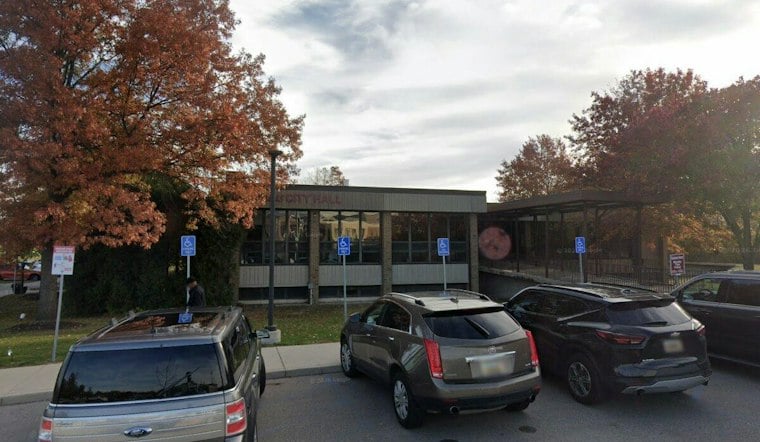
Romulus City Council voted unanimously to freeze all data center proposals for 180 days, a pause that took effect immediately and now covers facilities of every size, not just the massive operations originally targeted. The move puts the Wayne County city alongside a growing list of Michigan communities hitting pause on an industry that's expanding fast and drawing scrutiny over power use, water consumption and noise.
From Gigawatt Threshold to Blanket Freeze
The original proposal would have applied only to data centers with electrical demand of at least one gigawatt, but the council amended it before the vote so the moratorium now applies to data centers of every size, according to ClickOnDetroit. The resolution directs the Romulus Planning Commission to study how to measure data centers' electrical demand and environmental impacts and to consider appropriate zoning regulations during the six-month window, the outlet reported. As Fox 2 Detroit put it, the city council voted unanimously for the moratorium.
Mayor Robert McCraight said the pause gives officials time to develop an ordinance rather than reacting under pressure once a specific project lands on the table, per the same ClickOnDetroit report. He also said the city should consider whether smaller data centers could support local industry, including Detroit Metropolitan Wayne County Airport. McCraight is attributed in that report as saying Romulus currently has no data centers and has not received any data center proposals — a claim that stands in direct conflict with a separate report. Fox 2 Detroit quoted a city estimate putting the number far higher: “The city has twenty up and running with thirty more scheduled to go up.” The dossier does not resolve which figure is accurate.
Some Council Members Wanted an Outright Ban
Not every council member thinks a temporary pause goes far enough. Kelly Babowicz, a resident, said a moratorium is insufficient and argued Romulus should completely ban data centers, according to the ClickOnDetroit report. Council members Kathleen Abdo and William Wadsworth both suggested the council should consider an outright ban as well, the station reported, putting two members on record favoring a harder line than the moratorium the council ultimately passed.
Romulus Joins a Statewide Wave of Pauses
Romulus is far from alone. At least 30 Michigan communities have enacted moratoriums on data center development, according to a Bridge Michigan fact check. Developers have publicly unveiled hyperscale data center proposals in at least 10 Michigan communities, Bridge Michigan separately reported, while the state already has 57 smaller data centers logged in the online database Data Center Map. The outlet also reported that the industry as a whole is expected to nearly triple by 2030, driven by growth in artificial intelligence and cloud computing.
Nearby Clinton Township imposed its own 180-day moratorium while weighing new rules to address potential impacts on residents, even though the township had no data center proposal pending when officials acted, according to mlive.com. Kalamazoo adopted a moratorium on October 5, giving that city a full year to figure out how data centers fit into its zoning plans, per the same mlive.com report. Portage adopted a moratorium covering data centers and battery energy storage systems in February, set to expire at the end of this year, while Oshtemo Township adopted its own pause in March and is now considering extending it.
What Officials Say Moratoriums Are Really For
Moratoriums effectively start the clock, giving city officials time to build guardrails before a specific project forces their hand, mlive.com reported in its account of the pressures facing Kalamazoo and its neighbors. Debates over data centers have also involved environmental concerns and electricity rates. Not every community has had the luxury of deliberating without a project already in motion — Bridge Michigan reported that Saline Township officials denied zoning for a data center project and the township later settled a developer lawsuit. Madison Heights took the proactive route Romulus is now following, proposing a 12-month moratorium while the city developed zoning regulations even though Madison Heights had received no formal data center applications.
Michigan law places at least one boundary on how far these pauses can go. Under MCL 125.3207, a zoning ordinance or decision cannot totally prohibit a land use when there is a demonstrated need for it within the local unit or surrounding area. The statute does not by itself establish whether Romulus's 180-day moratorium, or the outright ban some council members have floated, would hold up against that standard — a question that remains open as the planning commission is tasked with studying the issues.





