

























































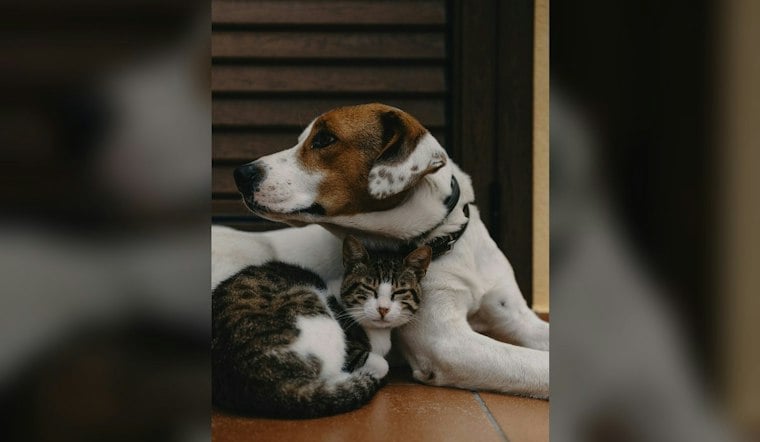
Hundreds of dogs and cats from Los Angeles-area shelters and rescue groups will be up for adoption this weekend at Rose Bowl Stadium. Best Friends Animal Society has scheduled its Super Adoption for November 21 and 22, with activities from 11 a.m. to 4 p.m. both days.
Admission and parking are free, dog adoption fees will be under $350, and cat fees are waived with support from PrettyLitter, according to Best Friends. A free gate gets people to the animals. It does not, by itself, explain why some animals in the shelter system have been waiting longer than others.
One Stop, and an Earlier Gate
The dogs and cats will come from Los Angeles-area rescue groups and shelters. Best Friends says there will be hundreds of them, of all sizes, types and ages, gathered at Rose Bowl Stadium rather than left in separate adoption rooms across the area.
People who RSVP for an Early Access Pass can enter at 10 a.m., a full hour before general admission opens at 11. Once the floor is busy, animals can be spoken for quickly. The earlier hour is a chance to meet them before that first wave of decisions.
Fewer Deaths, and the Toll That Remains
On the event page, Best Friends says 415,000 dogs and cats were killed in shelters around the country last year because they lacked a safe place to live. The group is citing that toll alongside the invitation to show up.
A separate set of shelter statistics describes a better 2025. U.S. shelters killed 34,000 fewer dogs and cats than in 2024. The number of dogs killed fell 8.5%, which Best Friends says translates to nearly 20,000 additional dogs getting a second chance. The national save rate for dogs reached 82.2%. The cat save rate reached 82.9%, a record high by the group's account.
Those statements answer different questions. The 34,000 is a decline from 2024 to 2025, and the dog figure inside it is an 8.5% drop, not the whole improvement. The 415,000 is the scale Best Friends still attaches to animals killed last year for lack of a home. Neither number is a head count for the Rose Bowl.
The Dogs Who Wait Nearly Twice as Long
Best Friends reports that dogs over 40 pounds wait nearly twice as long to be adopted as dogs under 40 pounds. Among more than 1,000 shelters and rescue groups surveyed, the main reason was not temperament or training. It was a shortage of people willing to foster large dogs.
Foster homes are how many of those dogs stay visible to adopters instead of logging a long kennel stay. When the homes are scarce, the clock starts before anyone walks into a stadium. A weekend event can introduce a large dog to a household. It cannot backfill the foster spot that would have shortened the wait to get there.
The AVMA, citing a 2026 Hill's report, measures a related gap with a higher weight line. Large dogs, classified as 55 pounds and up, spend 70% more time in shelters than small dogs. The median stay ran three days longer than for medium dogs and seven days longer than for small dogs.
In 2025 those larger dogs were 26% of community intakes and 22% of adoptions, the smallest adoption share in that size breakdown. They are not a rare intake. They go home a little less often than their share of arrivals would suggest.
What a Lower Fee Has and Has Not Done
The same AVMA report estimates that 2.8 million dogs entered U.S. shelters in 2025, down 4% from 2024, while 2 million were adopted, down less than 1%. Intakes eased more than adoptions did. A quieter front door does not automatically clear dogs who already take longer to place.
Fee waivers are one intervention with a published result. A Massachusetts case study found that fee-waived events for adult large-breed dogs helped reduce the average shelter stay from 17 days to 15 since 2023. Two days is smaller than the three-to-seven-day median gap in the Hill's findings. It is still time, measured in the same units shelters actually lose.
The Rose Bowl is not a replay of that study. Dog fees there will be under $350 rather than waived, and the full waiver covers cats, with PrettyLitter paying it. Massachusetts is a comparison, not a forecast for Los Angeles. The local offer is narrower: a dog fee held under $350, a sponsor-covered cat fee, and two afternoons of animals from shelters and rescues across the area.
Getting In at 10 a.m.
General admission runs from 11 a.m. to 4 p.m. on November 21 and again on November 22. The Early Access Pass, for anyone who RSVPs, opens the gates at 10 a.m. Parking is free on the way in. So is admission.
If a cat goes home this weekend, PrettyLitter has already covered the adoption fee. If a dog does, the fee stays under $350. The rest of the match is between the household and the animal.



