

























































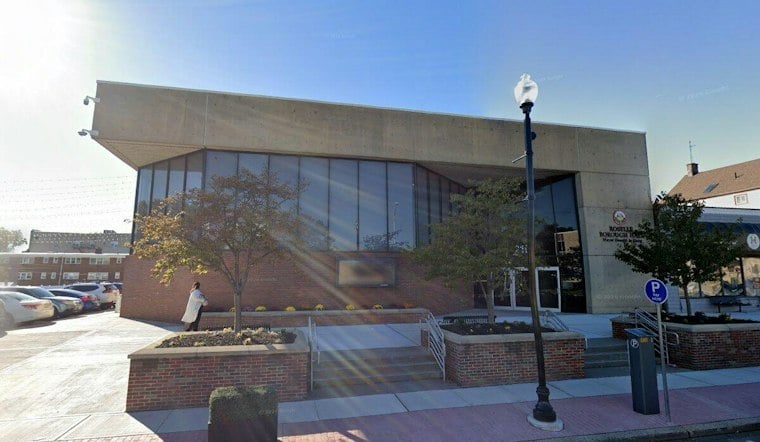
Roselle Borough Council approved its 2026 municipal budget by a 5-1 vote at a workshop meeting on November 10, locking in a 5.32% municipal tax levy increase that translates to roughly $350 more a year for a household assessed at $122,500. Councilmember Cynthia Johnson cast the lone dissenting vote.
The vote, first reported by TAPinto, caps a bumpy budget season for the borough. Roselle had been operating under a temporary budget for fiscal year 2026 while officials worked through the numbers, and the borough faced concerns earlier this year, in February, over financial reporting and procedures as well as missed statutory deadlines, according to the same report. The borough's former chief financial officer resigned after Roselle requested corrective action, TAPinto notes.
Johnson made clear during the meeting that she wasn't willing to go along with another increase. She said she and her residents would not accept a tax increase given how high grocery costs already are, per the outlet's account of the proceedings.
Why the Tax Bill Keeps Climbing
Borough officials pointed to a mix of rising operating expenses, financial obligations and labor contract settlements as the forces driving the increase. Mandatory budget costs — including insurance, employee health benefits, workers compensation, utilities, and police and fire programs — are largely outside the council's control, and some of those costs rose as much as 25% compared with the 2025 budget, the TAPinto report states.
Councilmember Brandon Bernier argued for an even higher tax increase to fully fund the borough's required appropriations, according to the outlet. He tied the need for yearly tax hikes directly to Roselle's shrinking surplus, which dropped from $4,764,000 to around $3 million heading into 2026. Bernier said the one-time revenues that helped balance the current budget are not a long-term fix, and he maintained that the final increase was not excessive, stressing that the borough needed a budget in place by early November.
Administration Says It Trimmed the Hit to Taxpayers
Donald Shaw highlighted the administration's efforts to hold down the tax burden, telling the council that officials managed to reduce an earlier estimated tax figure from $517 down to $350, per TAPinto's reporting. That reduction brought the final household impact well below the number initially floated as budget talks continued through the fall.
Assistant Business Administrator Denise Wilkerson struck an optimistic tone after the vote, saying Roselle is on its way to greatness and that borough staff should focus on strengthening the town and putting Roselle first, the outlet reported. The Roselle administration says it plans to work collaboratively going forward to strengthen the borough now that the budget has passed.
A Different Number Than What Was Introduced in May
The approved budget looks notably different from what the council introduced back in May. At that time, the council voted 4-2 to introduce a budget with $61 million in total appropriations, a 3.7% tax levy increase and an estimated $259.04 annual increase for residents, according to an earlier TAPinto report.
Roselle's finances have drawn scrutiny before. A 2011 audit of the borough found that Roselle had not completely maintained general ledgers for any funds during that transition year, and auditors classified a deficiency in internal controls over financial reporting as a material weakness, according to the Borough of Roselle audit report. That same audit noted the borough's general fixed-assets ledger had not been updated to reflect asset purchases, retirements or sales for several years.
More recently, the New Jersey Office of the State Comptroller found that Roselle would have saved approximately $1.9 million had it participated in the State Health Benefits Program sooner; the borough's corrective action plan indicated it has since transferred from a private health insurance plan to the state program, according to the New Jersey Office of the State Comptroller. A separate Comptroller audit report noted that borough officials agreed with the findings and indicated they intended to implement corrective actions.
State law sets the broader framework Roselle's budget process operates within. Under New Jersey's Chapter 185, municipalities on a calendar fiscal year must introduce and approve their annual budget by March 31, or their next regularly scheduled meeting, and formally adopt it by April 30 or their next regularly scheduled meeting, according to the New Jersey Legislature. The law also caps temporary appropriations before adoption at 35% of the prior fiscal year's appropriations, subject to certain exclusions.





