

























































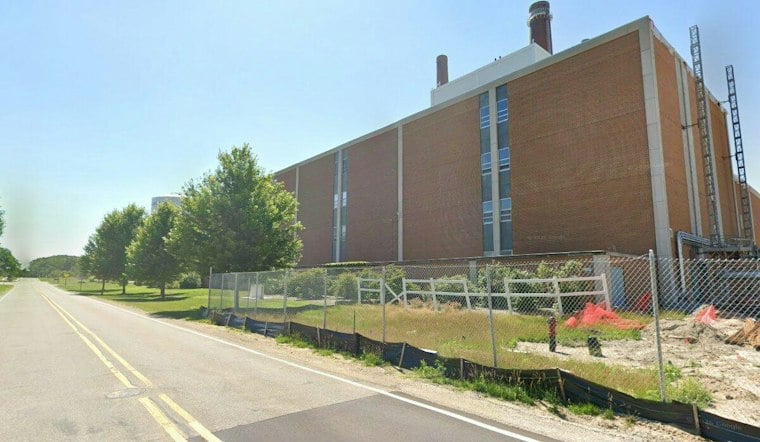
Rowan University has canceled all in-person classes at its Glassboro campus for Thursday and Friday after the school's central plant went offline, leaving most facilities without heat or hot water. The shutdown affects a long list of academic buildings and residence halls just as temperatures head into November, prompting the university to urge students who can go home to do so.
According to NJ.com, Rowan canceled all in-person classes for Thursday and Friday in a university statement issued Wednesday. The school says the central plant is offline and producing no steam, which is the direct cause of the heating and hot-water failure, and that the facility is now undergoing repairs. No classes were canceled on Wednesday itself, since moderate temperatures kept buildings warm enough to operate that day, per the same report.
Individual faculty members may choose to hold their classes virtually over Zoom or WebEx, and online classes are not affected by the disruption. Rowan's main Glassboro campus enrolls about 25,000 students, and just over 6,000 of them live on campus, the outlet notes.
Which Buildings Lost Heat and Hot Water
The list of affected academic and administrative buildings is extensive: Engineering Hall, Rowan Hall, Science Hall, James Hall, Wilson Hall, Robinson Hall, Discovery Hall, the Team House, the Rec Center, the student centers, Winans/Wellness, Bunce Hall, Bole Hall, Oak Hall, Laurel Hall, the Memorial Halls, and Hollybush are all without heat and hot water, according to the university statement relayed by the publisher.
Residence halls have not been spared either. Chestnut, Willow, Magnolia, Mimosa, Evergreen, and Mullica halls are also without heat and hot water, the report states. Despite the outage, the affected buildings will remain open Thursday and Friday, and Rowan has encouraged residential students to return home for the remainder of the week if they are able.
Campus Operations Continue Despite the Outage
Campus employees are still expected to report to work even with classes moved online, and weather conditions are not expected to affect their ability to work inside the buildings, per the university's statement. Scheduled campus activities such as athletic events, theatrical performances, and music performances may continue at each organization's discretion, the report adds.
This is not the first time Rowan's power infrastructure has struggled to keep the Glassboro campus warm. In January, a malfunction at the university's cogeneration plant reduced steam capacity and left buildings across campus about 5 degrees cooler, according to The Whit. That incident was traced to a component that failed ahead of its scheduled replacement date, forcing the co-gen plant to run at just 50 percent capacity, the student newspaper reported. One student told the outlet at the time that his Chestnut dorm had been without heat for the entire winter. Technicians eventually identified faulty sensors, and once those were replaced, the plant returned to normal operations, according to the same report.
Rowan is not alone among universities grappling with aging central utility systems. At Michigan State University, a power outage traced to an issue at a central connection point at the T.B. Simon Power Plant cut off the electricity and steam needed to serve campus, according to WILX. Roughly 80 percent of that campus's buildings remained without hot water the following day, and MSU encouraged students and staff to work remotely to speed up the repairs, the station reported.
Looking further ahead, Rowan's Carbon Neutrality Action Plan sets a goal of heating the entire Glassboro campus with geothermal energy by 2029, per The Whit's reporting. Whether that shift would address the kind of central-plant failures now disrupting classes remains to be seen, but for now, students and faculty are left waiting on repairs to the aging system that currently keeps the campus warm.



