

























































An 8-week-old miniature Highland cow named Rosy spent 22 hours loose on the streets of Englewood over a recent weekend, dodging traffic, a full moon's worth of coyote fears, and even an attempted deputy barricade before her owner finally lassoed her and brought her home. The calf belongs to Kasandra Snyder, who had just bought her days earlier and watched her bolt into the woods after becoming spooked at the farm.
Snyder had purchased Rosy at an auction in Arcadia for $3,500 the Friday before the escape, according to yoursun.com. She transported the calf home in the backseat of a compact car, and visitors came by the farm that Saturday afternoon to meet the newcomer and let children feed her with a bottle. Not long after, Rosy panicked and ran toward dense woods next to Snyder's property, kicking off a search that would stretch nearly a full day.
Spotted on Busy Roads Across Town
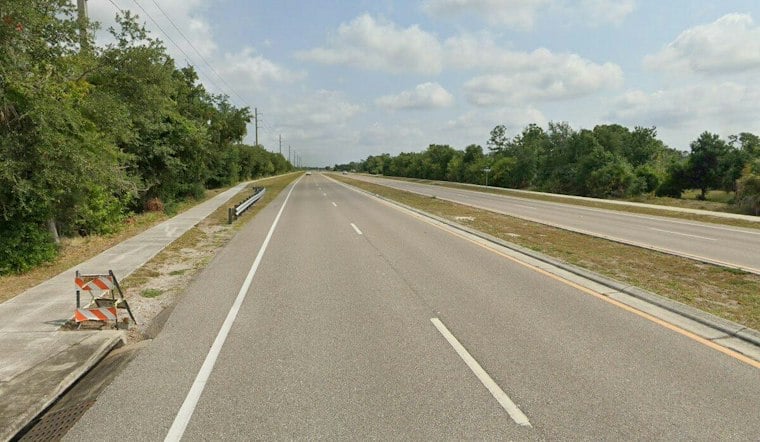
Englewood residents soon began reporting a lost small brown cow wandering around town, and the sightings piled up fast. Rosy was seen and recorded on busy roads including Winchester Boulevard and State Road 776, the outlet's report notes. Resident Natalie Jones filmed the calf wandering in front of a Walgreens in the middle of a street and posted the video to social media captioned “Holy Cow Englewood.”
Jones later said she had heard Rosy made it safely back home, adding that she would have given the calf a new home herself had she been the one to catch her, per the same account. Deputies made a barricade where Rosy was spotted, and authorities saw her by Walmart before closing off San Casa Drive in an attempt to capture her — but that effort came up empty.
The coyote concern reflects a real Florida risk, though the threat to cattle is often limited. The Florida Fish and Wildlife Conservation Commission says coyotes are found in all 67 counties and can live in urban as well as rural areas. UF/IFAS research following 711 newborn calves on five South Florida ranches found no confirmed coyote-caused calf deaths; the researchers describe livestock losses from coyotes as negligible on most Florida cattle ranches. Young, small animals can still be vulnerable, particularly when separated from adult cattle. UF/IFAS’ review of Florida coyote research details both the risk and its limits.
A Lasso Finally Does the Trick
With official efforts falling short, Snyder and a team of helpers picked up the chase themselves, tracking Rosy back toward Winchester before finally roping her with a lasso. Snyder said she had feared coyotes might get to the calf given the full moon that weekend, and described Rosy as dehydrated after avoiding traffic, coyotes, and alligator-infested swamps during her run. Rosy was then brought back to Snyder's 7-acre farm, where she lives among the owner's chickens, goats and a pig at the end of Crestwood Road.
Rosy’s run through public roads also touches on a specific Florida livestock law. State law defines cattle as livestock and says an owner may be liable for injuries or property damage if the owner intentionally, willfully, carelessly or negligently allows livestock to stray onto public roads. The statute does not make an owner automatically liable just because an animal is found on a road; negligence or other specified conduct matters. Guidance for stray livestock advises reporting them to the appropriate authority. Florida Statute 588.15 sets out the liability standard.
Snyder thinks the calf ran off because she felt traumatized, explaining that being sold is rough on a cow since it separates the animal from its mother and siblings and drops it into an unfamiliar environment. She has since nicknamed the calf “Runaway Rosy.” By Monday, according to Snyder, the ordeal already seemed behind her. “Today she perked up like nothing happened,” Snyder said, per yoursun.com's report.
Settling Into Farm Life
At 3 feet tall and 75 pounds during her dash through town, Rosy is still just a fraction of her eventual size — she's expected to grow to only about 40 inches tall as an adult, small even by Highland standards. Snyder said Highland cows typically sell for anywhere from $5,000 to $40,000, with females worth more than males because of their ability to have calves down the line. For now, Rosy is settling into her new life on the farm after recovering from the ordeal, Snyder said.
The word “miniature” can carry more marketing than formal breed meaning: “Mini Highland” is not a separate class recognized in the main U.S. Highland cattle registries, and sellers do not share a single official height cutoff for the label. That makes an adult-size estimate a prediction, not a guarantee based only on a calf’s current height. The American Highland Cattle Association says its registry was formed in 1948. A cattle-market guide to the “mini” label explains the lack of a common definition.



