

























































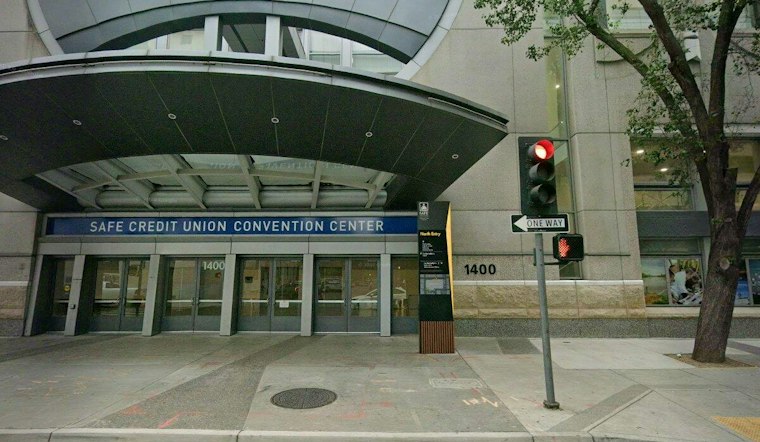
California's almond industry is heading back to Sacramento next month, with growers, researchers, processors and agricultural businesses converging on the SAFE Credit Union Convention Center for three days of sessions on pest management, soil health, and what comes next for the state's signature nut crop. The Almond Conference 2026 runs December 8 through 10, and organizers say early registration is already ahead of recent years.
Pests, Policy and a Packed Agenda
The event is built to connect growers with the people working on the industry's toughest problems, offering what organizers describe as connections with industry experts and solutions to challenges facing California agriculture, according to AgNet West. Taylor Hillman, manager of industry communications for the Almond Board of California, joined Nick Papagni on the AgNet News Hour to preview the gathering, which will cover almond production, pest management, winter weather preparations, research and technology for California growers. The timing matters: California almond growers are facing rising production costs and regulatory challenges, and Hillman emphasized that the conference is meant to give farmers practical tools they can actually use in their orchards.
Pest and disease research will be front and center, with sessions planned on navel orangeworm, Carpophilus beetle, plant bugs, leaffooted bugs and red leaf blotch. Carpophilus beetle in particular has become a growing worry — recent surveys found the pest established throughout both the San Joaquin Valley and the Sacramento Valley, per West Coast Nut, and 2025 trial results found no significant impact from any chemical control materials tested against it. On red leaf blotch, the Almond Board's own 2026 season update notes that petal fall and the following two to three weeks remain critical windows for protecting emerging leaves, while treatments made later in the season — particularly beyond May — generally provide limited control value.
Mummy Nuts, Sanitation and the Rain Clock
Hillman urged growers to prioritize orchard sanitation, specifically encouraging the removal of mummy nuts before rainfall makes orchard access more difficult. That timing lines up with guidance from UC IPM, which identifies navel orangeworm as a primary pest of almonds in California and calls the removal and destruction of mummy nuts in fall or winter, alongside early harvest with rapid removal of nuts from the orchard floor, essential components of control. UC IPM recommends clearing mummy nuts from trees before bud swell and destroying any that have fallen by March 1.
The push for cleaner orchards comes against a backdrop of measurable progress on pesticide use. Almond Board-funded research and grower practices have reduced the poundage of active pesticide ingredients used in orchards by 61% over the past 20 years, as reported by Agri-Pulse. Over that same period, pollinator risks fell 39%, worker dermal risks dropped nearly 97%, and acute toxicity has been reduced almost to zero, according to the same report.
Soil Health Takes Center Stage Postharvest
Soil management is getting its own spotlight this year. Russell Taylor, a Certified Crop Advisor and Soil Health Specialist with Live Earth Products, discussed soil health and testing ahead of postharvest amendments, explaining that salinity and sodicity require different management approaches entirely. He encouraged growers to test their soil and irrigation water before routinely applying amendments, noting that testing helps growers avoid treatments that may not actually address their real problem.
Taylor described postharvest as an important time to evaluate soil conditions and start preparing for 2027, adding that additional winter rainfall may offer a natural opportunity to leach accumulated salts from the soil. The guidance reflects a broader theme running through this year's program: practical, data-driven decisions over routine, one-size-fits-all inputs.
A Keynote From the State's Top Ag Official
California Agriculture Secretary Karen Ross is scheduled to participate in the conference, including delivering a keynote presentation, per the AgNet West preview. Her appearance underscores the policy dimension of a conference that will also feature sessions on rootstocks, pollination, fertigation technology and agricultural policy — giving attendees direct access to researchers as well as state officials shaping the rules growers operate under.
The Almond Board also plans to unveil a new domestic marketing campaign during the conference, one aimed at keeping almonds top of mind for American consumers rather than leaning primarily on traditional nutrition messaging. That rollout comes as Hillman said the latest almond crop came in below earlier expectations, though quality remains strong, and growers have reported improving market conditions compared with recent years.
A Long-Running Industry Tradition
The gathering has deep roots in Sacramento. The 2019 Almond Conference, also held in the capital, was promoted as an annual opportunity for industry professionals to connect with allied industry members and share knowledge on science and technology, running December 4 through 6 that year with complimentary attendance. That earlier program featured sessions on irrigation technology, almond pasteurization, global trade and integrated pest management — a lineup that echoes this year's mix of production science and market strategy.
As for this year's full lineup, the Almond Board notes that the official conference program will be released in November, and that the agenda remains preliminary and subject to change. For now, growers and industry players are left with a clear picture of the conference's priorities — pest pressure, soil health, and the almond market's next chapter — even as the finer details of the three-day Sacramento gathering continue to take shape.




