

























































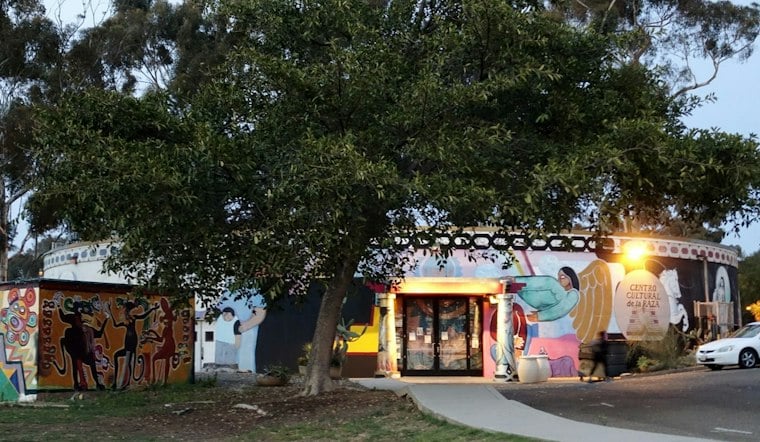
An ofrenda on display at Centro Cultural de la Raza in Balboa Park has drawn condemnation from two state lawmakers, who say the memorial honors leaders of Hamas and Hezbollah and are demanding it be removed immediately. The altar reportedly includes photos of former Hamas leader Yahya Sinwar, references to a prominent Iranian nuclear physicist killed in 2025 Israeli strikes on Iran, and a sign honoring Aaron Bushnell, the active-duty U.S. Air Force member who set himself on fire outside the U.S. embassy to protest the Israeli-Hamas war.
California State Sen. Steve Padilla and Assembly Member Chris Ward issued a joint condemnation of the display, according to 10News, which reported the two lawmakers called it “reckless incitement” and called for its immediate removal. The station reported that Padilla and Ward drew a distinction between honoring the honorable dead, a central purpose of Día de los Muertos observances, and what they described as memorializing people they characterized as terrorists.
10News reporter Emily Coffey visited the Centro and said the ofrenda was still on display at noon that afternoon. Her report described at least two identifiable photos of Sinwar within the installation, along with references to a former Hamas spokesperson and the Iranian physicist. The station also reported that the display featured a child holding up a sign honoring Bushnell.
Jewish Community Advocate Calls Display Shocking
Adam Maslia, identified by 10News as the Jewish Federation of San Diego's senior director of Secure and Resilient Community and director of the Finest Community Coalition, told the station he was shocked and disgusted by the display. The station's report quoted Maslia saying ofrendas are meant to honor loved ones and ancestors, not mass murderers. He also said San Diego's large Mexican Jewish community had been ignored and deserved a voice in the conversation, per the same account.
Coffey said she contacted Centro Cultural de la Raza with questions about whether the organization would take the exhibit down, who approves ofrendas for display, who created this particular installation, and what overall message it was meant to convey. As of publication, the station reported, there had been no reply from the Centro.
A Decades-Old Cultural Institution in Balboa Park
Centro Cultural de la Raza describes its mission as creating, preserving, promoting, and educating people about Chicano, Mexican, Indigenous, and Latinx art and culture, according to the organization's website. The Centro says it was inaugurated at its current Balboa Park location on July 11, 1971. Before that, the site was an abandoned concrete water tank, according to a 2021 account in the San Diego Union-Tribune, which reported the transformation followed a petition by Los Toltecas en Aztlan, a group of San Diego Chicano artists who sought a cultural arts hub at the site. Today the Centro presents visual arts exhibitions, live performances, and film screenings, according to Balboa Park's own description of the venue.
The disputed ofrenda is part of a broader Día de los Muertos remembrance event at the Centro featuring a dozen ofrendas, according to a separate report from Yahoo, which said the event was scheduled to run through November 12. The event's theme, “Solo dejaremos flores,” translates to “We only leave flowers.” Centro board president Maria Figueroa told Yahoo that installations welcomed into the space are intended to be for and by the community, and said some altars commemorate issues in the political and cultural landscape in addition to honoring deceased loved ones.
Other altars at the broader event honored figures including labor rights leader Dolores Huerta and people who died while incarcerated, Yahoo reported. The event also included live music and a new mural created and conceptualized by local San Diego DJ and artist Betty Banks. Eva Sandoval, a member of the dance group Danza Cuatlicue, told the outlet the tradition teaches younger generations about their culture and that death is not something to be afraid of.



