

























































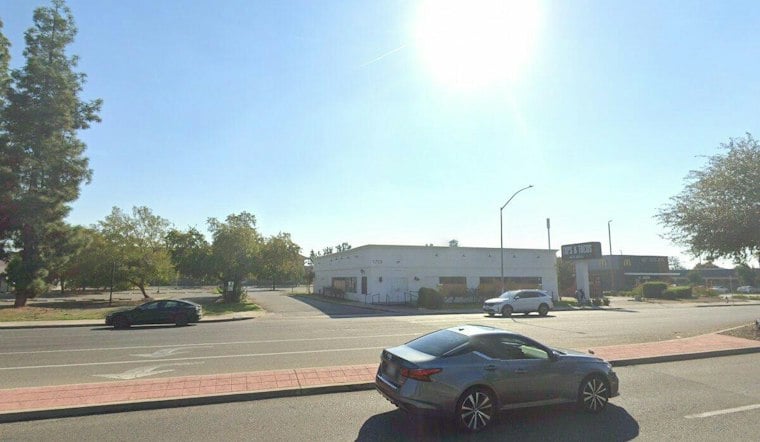
Vulcan Materials wants to change how it mines gravel along the Kings River near Sanger, and the shift could mean pumping water out of two pits around the clock for the next 15 years. The company is asking Fresno County to approve a permit amendment that would let it switch from wet mining to dry mining so it can reach gravel deposits buried deeper in the ground, and that switch requires dewatering first.
Why Dewatering Is the Central Question
The proposal, detailed in a report from SJV Water, would require Vulcan to dewater two pits so crews can dry-mine deposits that sit too deep to reach using current wet-mining methods. Bruce Steubing, who is preparing the environmental study for the project through his firm Benchmark, described dewatering as probably the key issue the review will need to address. If approved, the company expects to pump water out of the pits continuously, with Vulcan officials saying crews would likely need to run pumps 24 hours a day for the duration of the 15-year dry-mining phase.
Vulcan area manager Terry Marshall has acknowledged the pumping would cause what he called a localized drop in the water level elevation, though the company says it does not yet know the full scope of the impacts. Marshall told attendees that committing to specific guarantees about those effects would be premature at this stage, according to the same report.
Residents Fear a Cone of Depression Near Their Wells
Leslie Porter and Kathy Yamamoto, two residents with domestic wells near the project, worry the dewatering process could create what's known as a cone of depression, a drawdown effect that pulls groundwater away from surrounding wells and could lower the water table beneath China Creek Park. Porter said the water table at the park currently sits roughly 5 to 10 feet below the surface, a margin thin enough that residents fear it could leave little buffer if pumping lowers groundwater levels nearby.
Gil Rodriguez pressed Vulcan on whether the company could guarantee that lowering groundwater at the mine site would not negatively affect residential wells within one or two miles of the project, a question that underscored the uncertainty still hanging over the proposal. China Creek Park itself is an undeveloped, 120-acre property that Fresno County purchased in 1974 and that borders Vulcan's north pit along the Kings River east of Sanger. Jessie Kanter noted the park is part of a restoration project funded by the Wildlife Conservation Board, under which the county has agreed to maintain newly established habitat there for 15 years after the grant period ends.
Tribal Access and Rare Plants Also on the Table
Rose Pisano, a Chukchansi tribal member and California Indian basket weaver from Madera County, told attendees that China Creek serves as a main gathering spot for her community and dozens of other area tribes who collect basketry plants there. She said tribal members' experience and knowledge are not really considered or acknowledged in the process. Sean Zweifler asked whether tribes had been properly notified of Vulcan's proposal as required by state law, and Steubing responded that the county had begun tribal consultation and sent out letters. Jeremy Shaw said he did not believe any tribes had responded yet but would double-check.
Zweifler also raised concerns about habitat, noting that at least one rare plant species grows within 200 feet of Vulcan's property boundary and that others likely occur nearby as well. Attendees asked that the environmental study specifically examine the dewatering proposal's potential impact on China Creek Park, and Steubing said the review will look at these and other issues.
A Regional Pattern Along the Kings River
The Vulcan proposal isn't the only gravel operation drawing scrutiny along the Kings River this year. In June, Fresno County supervisors voted 4-0, with Supervisor Brian Pacheco recusing himself, to find that roughly $1 million in spending on the 833-acre Riverbend Sand & Gravel project counted as substantial development, according to GV Wire. That agreement gives Riverbend two years to complete significant foundation or grading work or risk having its permit revoked. Riverbend was approved for a 75-year lifespan and is expected to produce about 1.6 million tons of construction material annually, according to the project's attorney.
Opponents of the Riverbend project raised similar concerns, saying nearby well levels had dropped since 2015, when the Sustainable Groundwater Management Act began taking effect, and calling for a revised environmental study covering water, traffic, and road impacts. A California Geological Survey report cited by Fresnoland found the valley already has 530 million tons of gravel permitted, more than twice the region's projected need over the next 50 years, raising questions about how many new or expanded pits the area actually requires.
How to Weigh In Before the Deadline
Fresno County's project page for the proposal, listed under EIR 8735 for the Vulcan Sanger Dewatering plan, describes the request as seeking approval for operational changes at the company's existing Sanger facility that would allow dewatering and dry-mining methods at certain excavation depths. Residents and agencies who want their concerns included in the upcoming environmental study must submit written comments by Monday, November 30, which can be emailed to Jeremy Shaw at [email protected].




