

























































Seattle Mayor Katie Wilson's proposed budget would make $10 million a year in food-access funding permanent, including a recurring $1 million for the Meals Partnership Coalition, a citywide network of emergency food providers. The coalition has relied on one-time city support, according to KNKX Public Radio. The proposal comes as federal food assistance faces cuts, putting added pressure on local meal providers and senior centers.
The Meals Partnership Coalition received one-time funding under former Mayor Bruce Harrell's 2026 budget package, according to KNKX Public Radio. Wilson's new budget would make that financing permanent instead of leaving it to be renewed, or not, year after year. KNKX describes the overall proposal as a $9 billion budget, while a city announcement posted in September put the total 2027 budget at $9.1 billion.
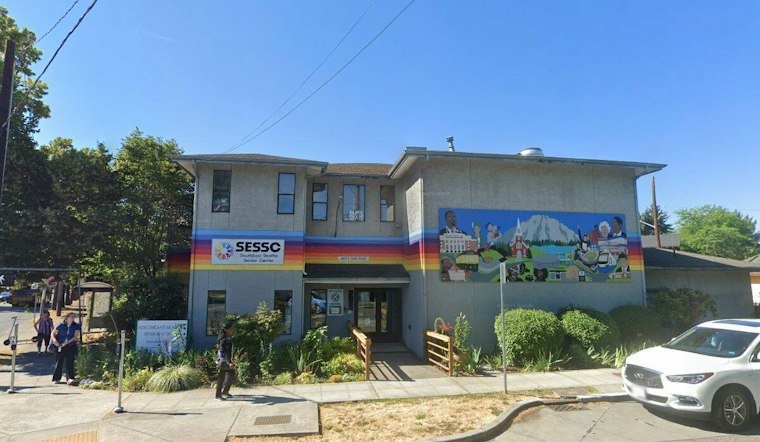
The SouthEast Seattle Senior Center in Rainier Valley serves adults 55 and older with hot meals, group activities and food delivery, according to KNKX Public Radio. Executive Director Brady Rainey told the station that the proposed funding would help the center buy food, supplies and equipment needed to maintain its meal program.
Senior Centers Seek More Staff, Not Just More Food
Seattle Councilmember Rob Saka backs Wilson's meals program but wants to go further. He's pushing to amend the proposal to add another $1.5 million toward more staff at the city's senior centers, the station reports. Saka has said senior centers help prevent health, housing and social disconnection among older adults.
At the SouthEast Seattle Senior Center, the proposed staffing funds would support additional hires and specialized training for staff serving patrons experiencing dementia or Alzheimer's disease, according to KNKX Public Radio. That request reflects a need beyond meals: centers also seek staff with the expertise to support older adults with more complex needs.
Federal Cuts Loom Over Local Food Programs
The city's funding push comes as cuts to federal food assistance, particularly the Supplemental Nutrition Assistance Program, squeeze households statewide. The number of Washington households receiving food assistance dropped from 548,000 in March 2025 to 525,000 in March 2026, according to the Washington State Standard. State officials have estimated that 137,000 residents in Washington stand to lose their benefits because of stricter federal work requirements, the outlet reported.
A city announcement from September framed the stakes bluntly, noting that grocery prices are climbing even as federal food assistance faces cuts. That same announcement said the budget adds $10 million to make permanent the Fresh Bucks expansion and support for food banks and meal delivery programs that had previously received only one-time funding in 2026.
Food Access Before the Budget Proposal
Seattle's Sweetened Beverage Tax Community Advisory Board reported in its 2023 annual report that Fresh Bucks provided $4.8 million in fruit and vegetable benefits to 12,000 income-eligible households.
Older adults have also been among those seeking emergency food assistance in King County. A county food-insecurity report recorded 5 percent more people age 55 or older receiving that assistance in June 2022 than in January of that year.
What Happens Next
The Seattle City Council is scheduled to vote on a final budget on Nov. 20, KNKX Public Radio reported at KNKX Public Radio. Whether Saka's proposed staffing amendment survives that process, and whether the council keeps the $1 million earmark for the Meals Partnership Coalition intact, remains to be seen. For now, providers like the SouthEast Seattle Senior Center are watching closely, with federal safety-net cuts adding urgency to a budget fight that will shape how Seattle feeds and supports its older residents in the year ahead.





