

























































Sewage from Seattle-area treatment plants came back with the highest methamphetamine levels of any city tested in a new international comparison spanning roughly 115 cities worldwide. The reading, about 865 milligrams of meth per 1,000 people per day, topped every other location in the study, including the entire country of Australia.
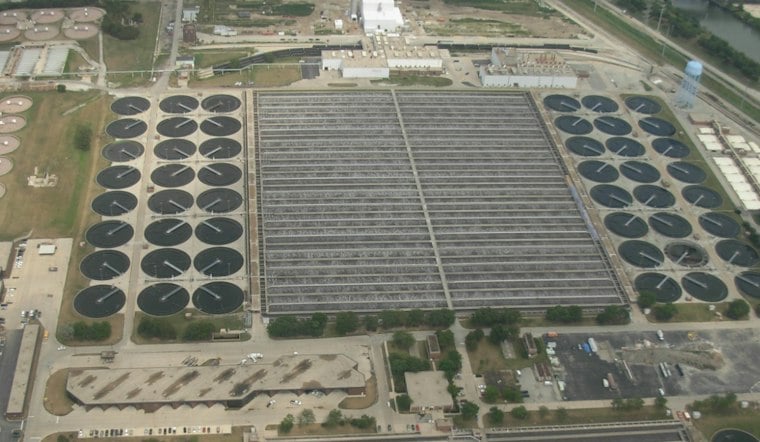
According to mynorthwest.com, Seattle was the only U.S. city included in the comparison at all. The samples didn't just come from within city limits — they were drawn from King County's West Point treatment plant and its South Treatment Plant in Renton, meaning the results reflect much of King County rather than Seattle residents alone. As KOMO News reports, the study was published by the European Union Drugs Agency, which uses wastewater analysis to monitor drug-use levels and trends across participating cities.
The next-closest entry on the list was Australia, which came in around 620 milligrams per 1,000 people per day — a figure that combines sampling from 56 treatment facilities across the entire country. That puts Seattle's reading roughly 40% above the next-highest result, a gap wide enough to put the region alone at the top of a worldwide field.
How the Testing Actually Works
Crews collected a sample every day for a week sometime between March and May 2025 in most participating cities, with each sample blended from a full 24 hours of incoming raw sewage before treatment. Researchers measure drug residues and metabolites in that sewage to estimate how much of a given substance a community is consuming overall.
But the method has real limits. It can't show how many individual people are using meth, how often they're using it, or how pure the drug supply is — it only measures the total quantity flowing through the pipes. The results also leave out fentanyl, the drug behind most overdose deaths in King County, and heroin isn't part of the findings either, the same report notes.
Not Just Meth: Cannabis and Cocaine Trends Too
The study wasn't limited to methamphetamine. Seattle ranked second for the chemical researchers use to track cannabis consumption, coming in at about 460 compared to Montreal's chart-topping 870, with Québec City finishing third. Cannabis is notably harder to measure this way, since the European Union Drugs Agency says the body excretes only a small share of the tracked compound.
Across European cities with data available for both years, cocaine residue climbed 22% from 2024 to 2025, while ketamine jumped 41% over the same stretch, per the same report. Those regional shifts offer a broader backdrop for how drug-use patterns are moving even outside the Seattle numbers.
How This Compares to Seattle's Last Big Reading
This isn't the first time Seattle's wastewater has drawn international attention. A 2018 report from the University of Washington's Alcohol & Drug Abuse Institute found Seattle's methamphetamine levels averaging 608 milligrams per 1,000 people per day that year, and noted Seattle appeared to rank highest in an international comparison even then — a level that was roughly twice what was measured in 2015 and 2016. That same adai.uw.edu report cautioned that incomplete confidence intervals made it impossible to definitively identify trends within a single place or to directly compare levels across cities.
Whether this year's 865 milligram reading represents a true increase from 2018's 608 is hard to say with certainty. The treatment plants sampled may have changed in the years between, so the two figures aren't a perfect comparison, according to mynorthwest.com's reporting.
The Bigger Picture in Washington State
The sewage numbers land against a backdrop of rising meth-related harm across the state. Methamphetamine-involved deaths in King County totaled 163 in 2018, up from a typical 22 in 2011, and statewide data from the University of Washington's Alcohol & Drug Abuse Institute shows meth poisoning rates have increased elevenfold or more in Snohomish, King, Pierce, and Spokane counties.
More than 70% of methamphetamine-involved drug poisonings in Washington in 2024 and 2025 also involved one or more opioids, underscoring how often meth use overlaps with the opioid crisis. Methamphetamine deaths in the state have been climbing over the past decade but may have peaked in 2023, per the same tracking data.
The pattern isn't unique to Washington. In Australia, wastewater monitoring data reported methamphetamine consumption at a record high this year, even as long-running population survey data showed a decrease in the prevalence of meth use over the prior 15 years — a disconnect abc.net.au highlighted between how much is being consumed and how many people are doing the consuming.





