

























































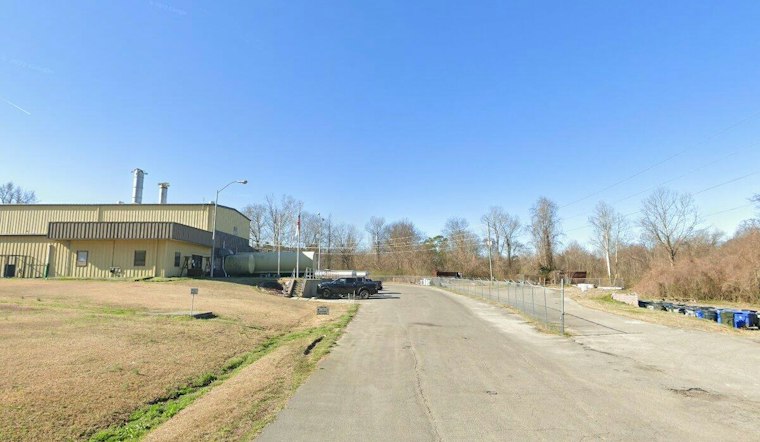
A Montana-based company wants to build a 177,000-square-foot, single-story data center on more than 100 acres near I-42 and Buffalo Road in Selma, and the proposal goes before the town's Planning Board Monday evening. Neighbors along Eason Lane, some of whom have lived there for generations, say they are already bracing for round-the-clock noise and bracing to sell if the project called Project Volt becomes reality.
What's Actually Up For a Vote
The Planning Board will consider a conditional rezoning request and a special use permit application from Advanced Manufacturing, Inc., according to WRAL. Separate reporting from JoCo Report describes a proposed one-story facility on Noble Street near Eason Lane, with the overall parcel containing approximately 101 acres and the application identifying roughly 53 acres for the actual buildout. Whatever the board decides Monday is only a recommendation — the outlet notes that the Selma Town Council holds final authority over both the rezoning and the permit.
Planning documents say Advanced Manufacturing will fund the power infrastructure needed to serve the project along with a reclaimed-water system supplying all the process water used to cool the facility, per the same reporting. Mayor Byron McAllister has indicated a town council vote could come early next month, WRAL reports, though neither he nor Advanced Manufacturing representatives responded to the station's requests for comment on resident concerns or how the town's new rules might shape the project. A town spokesperson also did not respond to a similar request, according to WRAL.
Neighbors Weigh Selling Rather Than Staying
Ron Parrish, whose family has lived on Eason Lane for four generations, told WRAL he expects to hear the facility around the clock if he stays, and said neighbors spoke with the data center's developers about potential property sales as recently as Monday. Nearby residents are considering selling their homes outright if the plans move forward, the station reports, and Parrish said the unknown effects of the project are causing residents considerable concern. People at recent public meetings have called for more transparency from town officials, according to the same reporting, while residents broadly have raised concerns about the facility's potential water consumption, electricity use and noise.
The Rules Selma Wrote Before Volt Arrived
The Selma Town Council unanimously adopted new data center regulations on Oct. 6, addressing electricity, water usage and cooling, and noise levels, WRAL reports. Under those rules, as detailed by JoCo Report, groundwater cannot be used to cool a data center — facilities must instead rely on a closed-loop geothermal system or reclaimed water. The ordinance also requires an electrical load study demonstrating that serving the facility would not adversely affect other electric customers.
A town staff report said many items required by the ordinance are not due until a building design is completed, and that an approved electricity study must be finished before construction begins, according to WRAL. Noise levels would be set as a condition of the special use permit, the staff report added, and all project items still need Selma Town Council approval before becoming final. JoCo Report similarly notes that several ordinance requirements would be addressed later in the process if the project advances.
A Statewide Pattern of Pushback
Selma's fight is part of a broader surge of resistance across North Carolina. An August Elon University poll found 53% of North Carolinians opposed building data centers in their own neighborhood, a nine-point jump from the same poll five months earlier, according to Cardinal Pine. The outlet counted 97 data centers already operating statewide, including 35 in Charlotte and 20 in the Raleigh-Durham area, and cited analyst Frank Muraca's estimate that roughly 47 local governments have temporarily imposed moratoriums on new projects. Noise pollution ranks among residents' top concerns statewide, Cardinal Pine reports — the same complaint driving Parrish's worries on Eason Lane.
State regulators have also moved to shield ratepayers from the financial risk of these projects. North Carolina's safeguards require qualifying data centers to sign electricity service contracts of at least 10 years and pay demand charges based on at least 75% of their contracted power capacity even if they use less, according to WRAL's reporting on the rules. The measures are designed to reduce the risk that customers end up paying for infrastructure built to serve data centers if those companies fail to fulfill their commitments, the station notes.
Disputes Playing Out Elsewhere
North Carolina communities have already seen how messy these fights can get. In Stokes County, officials voided a rezoning approval and text amendment for a project called Project Delta after determining the county had failed to meet statutory notice requirements before approving it, according to Data Center Dynamics. The county said the applicant could resubmit, but any future application would have to start over and follow all notice and hearing rules from the beginning.
Beyond North Carolina, a proposed 10-building data center development in Sutton, Massachusetts, has drawn calls for public impact studies amid resident worries about noise, light, water and electricity resources, according to Boston 25 News. The project's backer, the Kraft Group, told the outlet that if the majority of the Sutton community does not want the project to move forward, “we will not pursue it.” Whether Selma's town council will face similar pressure to reconsider Project Volt may become clearer once the Planning Board's recommendation reaches a vote.





