

























































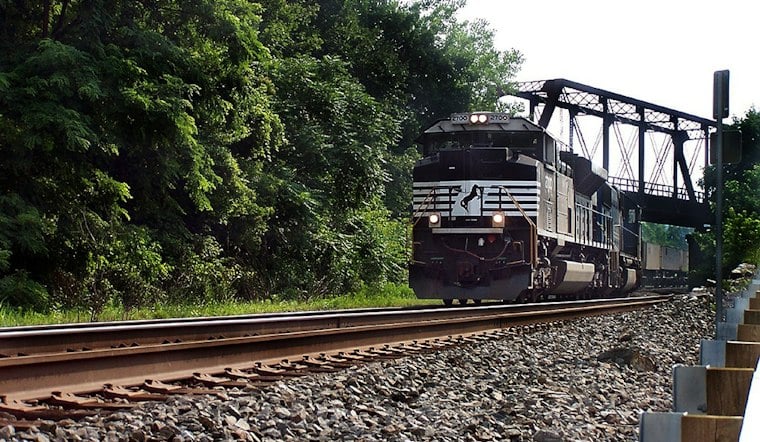
A Sharpsville man jumped onto and halted a train.
According to The Herald, a Sharpsville man jumped onto and halted a train.
Officers Say Howard Refused to Climb Down
Officers tried to talk Howard down, and he later jumped back onto the platform. The report notes officers were standing about 10 to 12 feet above the ground on a slick metal surface with limited railing protection as they tried to get Howard off the locomotive.
When patrolmen attempted to handcuff him, police said Howard resisted arrest. Officers were forced to punch him in the face and upper shoulder to subdue him, according to police, before patrolmen dragged him by his arms and legs down from the train to the ground.
Train Crew Said Howard Wanted a Ride to Youngstown
The train crew told police that Howard had asked for a ride to Youngstown, Ohio, during the encounter.
The incident comes amid a broader rail-safety concern: preliminary federal figures show 789 trespass-related deaths and 522 injuries nationwide in 2025. Ohio recorded 11 injuries and 20 fatalities from pedestrian/trespasser incidents in 2025. The Federal Railroad Administration says trespassing is the leading cause of rail-related deaths in the United States and warns that railroad property is not a safe place to walk or ride. Preliminary 2025 casualty figures put the risks in context, though they do not indicate that anyone was injured in this case.
Howard was charged with disrupting train operations, trespassing, resisting arrest, disorderly conduct and public drunkenness. His preliminary hearing is scheduled for Nov. 17, when the case will move forward in court.
Pennsylvania law also addresses train disruptions directly. Under state law, a person who, without lawful authority or the railroad’s consent, knowingly, purposefully or recklessly disrupts or delays a train commits a third-degree misdemeanor. The statute defines railroad property to include trains and locomotives. The provision on railroad protection and interference with transportation is separate from the criminal allegations in this case; the charges listed in the report are accusations, not findings of guilt.





