

























































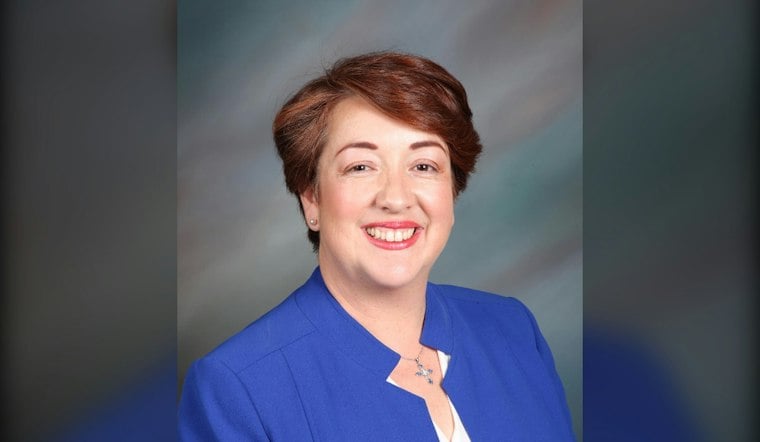
The Simi Valley City Council voted 3-2 to reject a proposal that would have created a committee to review the city's long-standing agreement with its landfill operator, even as residents continue to raise concerns about odors, fire debris and questions over toxic material entering the site. The vote split the council, with two members pushing for closer scrutiny and three siding with the status quo.
Mayor Dee Dee Cavanaugh and Councilmember Elaine Litster supported reviewing the 2011 agreement with Waste Management, while Rocky Rhodes, Joseph Ayala and Mike Judge opposed the idea, according to the Simi Valley Acorn. The proposed committee would have included up to two council members and city staff, with the ability to review the agreement, discuss possible changes with Waste Management, and even explore annexing the landfill into Simi Valley. Per the outlet's reporting, the panel could have made recommendations but had no power to actually change the agreement.
Cavanaugh had requested the discussion on September 21 amid mounting community concerns, the report notes. She said she was not accusing Waste Management of wrongdoing but wanted better communication with residents, adding that raising the issue mattered even without formal committee oversight. Residents, per the same account, have raised concerns about contaminated fire debris, spoiled food from a Boyle Heights warehouse fire, and the possibility of toxic material from the Santa Susana Field Laboratory entering the landfill.
Spoiled Food And An Odor Violation
Spoiled food from the Boyle Heights warehouse fire was taken to the Simi Valley landfill in June, and Big Sky residents soon began reporting foul odors, according to the Acorn's account. County air-quality officials confirmed the odors and issued Waste Management a notice of violation, the outlet reported. Councilmember Judge said the spoiled food was not hazardous and had been disposed of appropriately, and added that Waste Management followed state and county requirements in handling fire debris.
The odor issue was also the subject of separate reporting by the Los Angeles Times, which detailed neighbors' complaints about the rotting food smell drifting from the site. Community confusion also extended to debris from the January 2025 Palisades and Eaton fires, with some residents unsure whether the material was hazardous after some fire debris tested positive for asbestos, the Acorn reported. Simi Valley received the largest share of roughly 1 million tons of debris transported from those fires, according to the same account.
Questions Over Santa Susana Material
Residents have also pressed officials on whether material from the Santa Susana Field Laboratory, a former rocket engine and nuclear research facility, has made its way to the Simi Valley landfill. Judge said Waste Management assured the council it would not accept material from the former lab site, per the Acorn's reporting. Separately, the California Department of Toxic Substances Control has said an estimated 29,000 cubic yards of contaminated soil from the lab's former shooting range were excavated and hauled offsite to destinations that, per the agency's own description, included the Waste Management landfill in Simi Valley along with Clean Harbors in Buttonwillow and US Ecology, though the excerpt available does not establish a complete list of destinations.
A state cleanup official has also described a tiered system for the broader Santa Susana cleanup, under which contamination from the most toxic area, known as the Area I burn pit, goes to Boise, Idaho, hazardous waste from the site goes to Kern County or Nevada, and material deemed non-hazardous by officials goes to the Simi Valley landfill, according to that same attribution. The dossier does not resolve how these destinations relate to the shooting-range excavation figures cited separately by the state toxics agency.
The Money Behind The Agreement
The 2011 agreement followed Waste Management's 2007 request to expand the landfill through Ventura County, and came after Simi Valley formed an ad hoc committee in 2010 to negotiate terms, the Acorn reported. A resulting memorandum of understanding valued Waste Management's obligations at more than $1 million in the first year and between $90 million and $100 million over the agreement's lifetime, per the same reporting. The city estimates it has received about $24 million in value so far.
Former Councilmember Barbara Williamson, who served on the original negotiating committee, urged the council to revisit the agreement and questioned whether commitments made under it remain unfinished, according to the Acorn. Interim Public Works Director Mark Watkins said Waste Management has fulfilled or continues to contribute toward many of its obligations, the outlet reported. Most of those obligations remain in effect until the landfill stops accepting municipal solid waste, which is expected to happen in about 35 years.
Unplanted Trees And A Quiet Review
The agreement includes provisions addressing truck traffic and freeway litter cleanup, as well as a plan to plant aromatic trees meant to create an odor barrier for the Big Sky neighborhood. City Manager Samantha Argabrite said those trees remain unplanted because of homeowners association concerns and property issues. The 2011 agreement also required the city and Waste Management to meet within 15 years to consider revisions, and Argabrite said the two sides met earlier this year and decided to leave the terms unchanged, noting that the company has met its memorandum obligations so far.
Argabrite said the city could still discuss additional requests, communication and environmental monitoring with Waste Management outside of a formal committee structure. On the council floor, Rhodes questioned the need for a dedicated committee at all, arguing that council members could simply ask staff about the agreement and receive recommendations without risking the city's relationship with the company. Ayala suggested instead that council members meet more frequently with Waste Management representatives and bring any proposed changes directly to the full council.
Litster, who supported the oversight proposal, said council members should help review the agreement and address residents' questions, noting that the original agreement had itself been developed through an ad hoc committee. She also voiced support for the broader city-Waste Management partnership. Cavanaugh said residents were heard during the discussion and that the community needs more conversations and information going forward, even though the formal oversight committee will not move ahead for now.




