

























































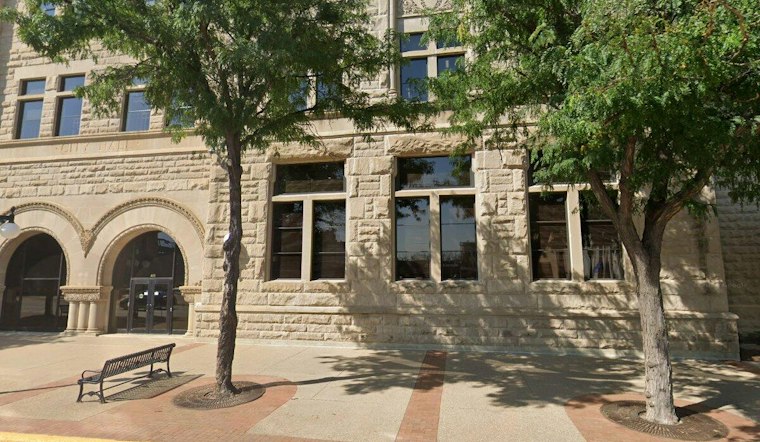
The Planning and Zoning Commission is scheduled to hear a presentation on proposed zoning rules for data centers on Nov. 24.
Sioux City’s zoning ordinance, originally adopted in 1976, has no data-center-specific land-use category. City staff gave the Planning and Zoning Commission an overview of potential regulations on Oct. 13, and the commission discussed the issue again on Oct. 27 before a presentation scheduled for Nov. 24, per the Sioux City Journal.
The proposal concerns data centers.
Proposed Data-Center Zoning
The draft amendment concerns zoning rules for data centers.
Noise Requirements
The proposed amendment would address noise from data-center operations.
Proposed Zoning Rules
The proposal concerns zoning rules for data centers.
It would establish zoning requirements for data centers.
Why Iowa Cities Are Racing to Catch Up
Sioux City isn’t moving in isolation. At least six Iowa cities and 10 counties are considering policies to regulate data centers, according to the Business Record. In Clinton, officials are drafting an ordinance addressing residential setbacks, water capacity, electric grid needs and noise, the outlet reports. Linn County supervisors went further, adopting an 18-month moratorium on data centers in June that is set to expire Jan. 1, 2028 and can be rescinded at any time, the Business Record notes.```
Linn County separately created a new, exclusive-use zoning district for data centers that requires a comprehensive water study with any zoning application and a water-use agreement with the county before construction, plus a 1,000-foot setback from residentially zoned property, according to Inside Climate News. A National League of Cities program manager told the outlet that communities nationwide are responding with “tighter zoning standards, more required impact studies, and in some cases temporary moratoria.” Sioux County, meanwhile, passed its own ordinance in a 4-1 vote that caps any single site at 25 megawatts and uses a cumulative formula to limit how many facilities can be built total, the N’West Iowa Review reported. None of those county-level requirements apply in Sioux City, but they illustrate the range of approaches other Iowa governments have landed on.
The push for rules is tied to a broader shift in the state’s power demand. The 2026 Iowa Climate Statement found that most of Iowa’s new electricity demand is being driven by the proliferation of data centers, as reported by Iowa Public Radio. A University of Iowa professor cited in that report said the state could see more than a 30% increase in peak electricity load over the next decade. Nationally, the stakes are even larger: a study cited by The New York Times estimated that the largest U.S. data centers are responsible for roughly 25.7 million metric tons of carbon dioxide emissions annually.
Whatever Sioux City ultimately adopts will operate alongside state oversight. In rural areas, the Iowa Department of Natural Resources handles permitting for water use, and county zoning does not supersede state authority.





