

























































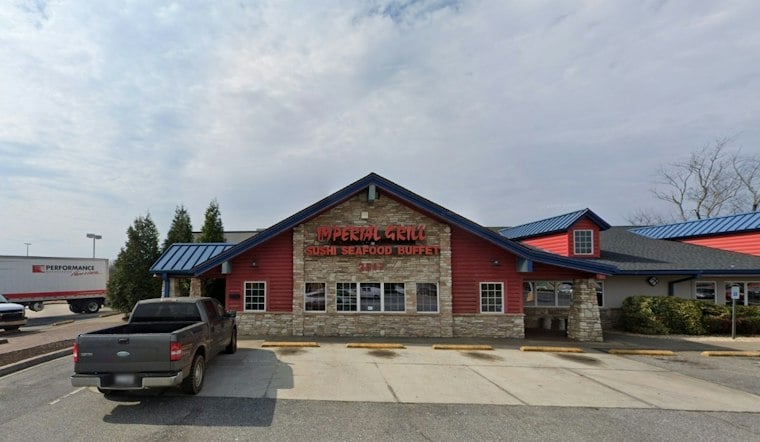
Four people face human trafficking and criminal conspiracy charges, and two others face criminal conspiracy charges, following an investigation involving Imperial Grill in Anderson County. WYFF News 4 reported that Yun Fei Ni, Hui Jiang, Xiao Shan Zheng, and Xuehua Jiang were charged with human trafficking and criminal conspiracy; Zhang Yunmei and Ren Guiying were charged with criminal conspiracy. Ni and Jiang are co-owners of the restaurant, according to the Anderson County Sheriff’s Office as reported by WYFF News 4.
The warrants allege that the suspects acted together to recruit, transport, and harbor people for forced labor, with each allegedly taking on a role. Those claims are allegations in warrant information reported by WYFF News 4.
Warrant information described roughly 10 to 12 workers being transported between the restaurant and residences connected to the suspects. Eight workers reportedly told investigators on Oct. 22 that they worked 10 to 12 hours a day, six days a week, and were not on the restaurant’s payroll. Months of surveillance indicated that the workers’ movements were limited and largely involved travel between the restaurant and the homes, WYFF reported.
The sheriff’s office said the investigation involved the South Carolina Law Enforcement Division and the U.S. Department of Homeland Security. Search warrants were carried out at Imperial Grill, on Clemson Boulevard, and at three Anderson County residences on White Oak Court, Bronson Ridge, and Fairfield Street, according to WYFF News 4.
The sheriff’s office said property, including vehicles, was seized during the searches. Detectives are examining evidence, and the investigation remains active, according to WYFF News 4. Fox Carolina reported that deputies said further arrests are possible.
What South Carolina data can show
A reliable comparison of how often South Carolina agencies identify labor trafficking versus other forms of human trafficking is difficult to establish. The South Carolina Attorney General’s Office says statistics and data are scarce at both the state and national levels, in part because trafficking is an underground crime, according to its Data & Reports page.



