

























































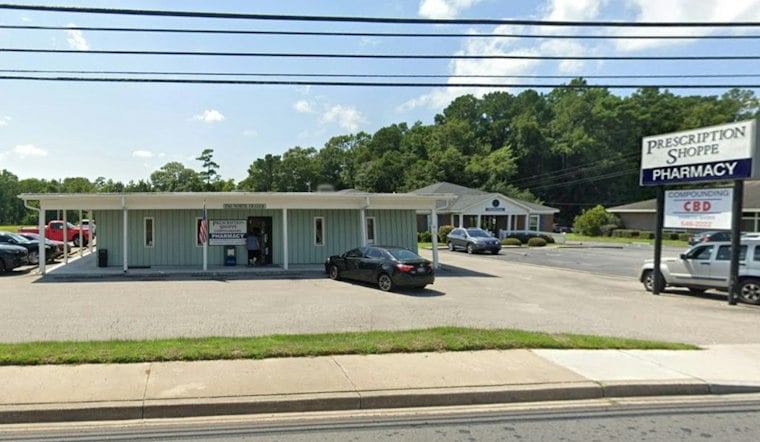
Kelley Johnson spent nearly all of her 30-year retirement plan trying to keep the Prescription Shoppe open in Georgetown, losing between $5,000 and $10,000 a month before she finally closed the doors in December 2025. The pharmacy had served the community since the 1980s, but rising costs and low insurance reimbursements made it impossible to continue, even after Johnson skipped her own paychecks to keep her staff paid.
“My loan payment was $20,000 a month just for the loan,” Johnson said, according to WSPA 7News. By the end, she said, the business had become largely a community service and donation rather than a sustainable livelihood. Johnson is far from alone: the South Carolina Pharmacy Association says roughly 40 independent pharmacies close across the state every year, leaving only 280 still in operation.
A Family Pharmacy Goes From Two Locations to One
Stuart Johnson and his wife once co-owned two pharmacies, but they closed their family pharmacy in Aiken County in June 2025 after it operated at a loss for four straight years. They now run just one location, after using personal savings to keep paying their employees through the lean years. Stuart Johnson said low reimbursements made it difficult to keep the business open at all, and that the shortfall ultimately forced the closure.
The pressure facing Kelley Johnson and Stuart Johnson reflects a trend playing out nationally. A study published in Health Affairs found that independent pharmacies faced a greater risk of closure than chain pharmacies across every neighborhood and market characteristic researchers examined, and that of 88,930 retail pharmacies operating between 2010 and 2020, nearly 29.4 percent had closed by 2021. The same research found pharmacies in predominantly Black and Latinx neighborhoods faced higher closure risk than those in White neighborhoods.
Pharmacists Point to Reimbursement Rates and PBM Reform
Pharmacy owners have identified reform of pharmacy benefit managers, the companies that manage prescription drug benefits on behalf of insurers, as a major change needed to keep independent pharmacies afloat. South Carolina Pharmacy Association CEO Brian Clark said pharmacies should at minimum be reimbursed what it cost them to stock the medicine, plus what he called a fair and reasonable professional dispensing fee. Clark also said the State Department of Insurance needs stronger enforcement capabilities and accountability to hold pharmacy benefit managers in check.
Clark raised similar concerns two weeks ago when he joined legislators, patients, and pharmacy leaders at a roundtable on pharmacy closures and PBM reform at Sadler Hughes Apothecary in Clinton, South Carolina, on Oct. 22. According to the National Community Pharmacists Association, that discussion emphasized the need for stronger state and federal enforcement of PBM protections.
State Representative Heath Sessions said South Carolina should enforce its existing laws and improve oversight of health insurance companies, and that the Department of Insurance should examine how it oversees and manages those companies. The South Carolina Pharmacy Association is urging residents to contact their legislators about the challenges facing local independent pharmacies.
Conflicting Counts, Same Underlying Crisis
Just how many pharmacies have closed statewide depends on which count you use. Beyond the association's estimate of roughly 40 closures a year, a separate account reported to a Clinton roundtable put the number at 155 pharmacies closed statewide from January 2023 through May 2026, with 117 of those being independent pharmacies closing between 2023 and 2025, according to a report on the roundtable. A commentary published by the Post and Courier separately cited a net loss of 117 pharmacies between January 2023 and August 2025, disproportionately affecting rural and underserved communities. The figures are not directly comparable, since they appear to measure different time frames and categories of pharmacy, but they point to the same underlying pressure on independent drugstores.
South Carolina is not unique in this fight. In Pennsylvania, independent pharmacy owner Chichi Ilonzo Momah has estimated that up to 30 percent of the medications she fills are reimbursed for less than what they cost her, according to the South Carolina Daily Gazette. In Georgia, Gov. Brian Kemp vetoed a bill in 2024 that would have required the state's health insurance program for teachers and state workers to reimburse independent pharmacies at the same rate as chain pharmacies, the outlet reported.
In South Carolina, Senate Bill 342's summary says it would define a so-called low-volume pharmacy, but a committee amendment recommends deleting that section; the bill also proposes restricting pharmacy benefit managers from reimbursement under certain conditions, according to the bill's entry on the South Carolina Legislature's website. The state's Department of Insurance defines a pharmacy benefits manager as an entity that contracts with pharmacists or pharmacies on behalf of an insurer, third-party administrator, or the state's public employee benefit program, per its own FAQ page. For pharmacists like Kelley Johnson and Stuart Johnson, though, the policy debate arrives after the damage to their own businesses has already been done.



