

























































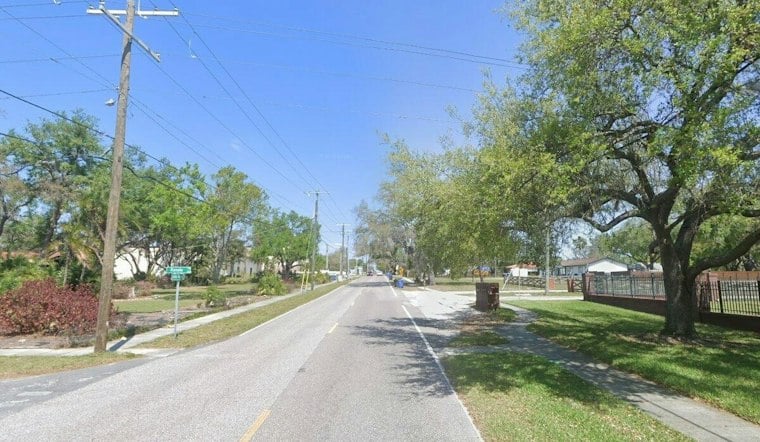
Drivers near Bloomingdale and FishHawk should brace for a new detour starting Thursday, Nov. 12, when the intersection of John Moore Road and Ronele Drive closes for pipeline construction expected to last about a month, weather permitting. The closure is the latest visible sign of Tampa Bay Water's 26-mile South Hillsborough Pipeline project, which crews have been building in stages across south Hillsborough County.
A Month-Long Detour for John Moore Road
During the closure, through traffic can detour using Lumsden Road, South Kings Avenue and Bloomingdale Avenue, according to South Hillsborough Pipeline project updates. As reported by Osprey Observer, the pipeline will deliver drinking water described as vital to south Hillsborough's future, with Tampa Bay Water supplying wholesale drinking water to Hillsborough, Pasco and Pinellas counties, plus New Port Richey, St. Petersburg and Tampa.
Maribel Medina, planning and projects director for Tampa Bay Water, said the project prioritizes safety and keeping the public informed, per the same Osprey Observer report. Construction on the pipeline moves through four basic steps — preparation, installation, inspection and restoration — all aimed at protecting traffic flow and safety, according to the outlet.
How Crews Build the Pipeline, Step by Step
Preparation crews start by locating utility lines, scraping asphalt and removing landscaping before any digging begins, the Osprey Observer report notes. Construction crews then install dewatering systems ahead of excavation, and project materials explain why: these systems must run 24 hours a day until work in that area wraps up, according to South Hillsborough Pipeline's open-trench overview. Tampa Bay Water posted on X that dry trenches mean safer, stronger pipelines, explaining that groundwater has to be controlled before excavation to prevent cave-ins and unstable conditions.
Once the trench is dry, crews install pipeline segments up to five feet in diameter and weld the pipe together underground, with every weld inspected by construction crews before the work moves forward, per the same account. The construction team anticipates advancing roughly 30 to 50 feet a day during open-cut work, and once finished, the pipeline is designed to carry up to an additional 65 million gallons of water per day. After installation, a restoration crew returns roads and landscaping to shape, with all construction areas slated to be restored to pre-existing conditions within six months of the pipeline being fully built and in service.
Tunneling Under State Road 60 Without Stopping Traffic
About two of the pipeline's 26 miles are being built using trenchless technology, or tunneling, while the rest relies on open-trench construction, the open-trench overview states. The broader project calls for 17 tunnels under roads and bodies of water, intended to keep traffic moving on major roads and protect wildlife, according to Osprey Observer's reporting — and six tunnels have been completed so far.
One recent example played out at State Road 60 and West Robertson Street, where crews installed pipe in a tunnel roughly 22 feet beneath the road, working around the clock while traffic kept flowing above, per the same report. Construction happens simultaneously at different locations along the pipeline's route, Tampa Bay Water has said, which helps explain why residents in different neighborhoods may notice work crop up at different times.
Advance Notice Before Crews Arrive
Tampa Bay Water sends notifications to nearby homes and businesses before digging begins nearby, and nearby businesses can also request temporary signs reassuring customers they remain open during construction, according to Osprey Observer. Digital message boards are deployed to alert drivers to upcoming traffic pattern changes roughly two weeks before digging starts in a given area — language that matches the project's own open-trench materials, which say residents should expect electronic message boards about two weeks before construction begins in their neighborhood.
Tampa Bay Water also keeps public safety officials, including fire and law enforcement, informed as work progresses, along with local schools, school officials, hospitals and other medical providers, the outlet reported. Members of the public can sign up for email alerts or check construction dates, road closures and detours directly through the South Hillsborough Pipeline website.
Past Closures Offer a Preview
The John Moore Road closure isn't the project's first disruption to local traffic. An earlier notice scheduled overnight inside-lane closures on South Parsons Avenue, John Moore Road and Lumsden Road from 9 p.m. March 1 to 6 a.m. March 2, for traffic-signal reconfiguration tied to the pipeline work. That notice also warned that lane closures tied to tunneling in the area would remain in effect 24/7 for approximately four months, while access to local homes and businesses would be maintained throughout.
Tampa Bay Water's board approved a $216.7 million construction and restoration proposal from Garney Companies for the project, which was scheduled to begin in the first quarter of 2026, according to a Tampa Bay Water blog post. Tampa Bay Water has said it plans to complete the pipeline by the end of 2028, per Osprey Observer's reporting, meaning South Hillsborough drivers should expect more rolling closures and detours as crews work their way along the remaining miles of the route.




