

























































Advocates in Southeast Raleigh are pushing the city to put Clarence E. Lightner's name on a stretch of New Bern Avenue, honoring the man who became Raleigh's first popularly elected Black mayor more than five decades ago. The proposed honorary stretch would run from Person Street to WakeMed, cutting through neighborhoods where Lightner held sway for decades.
The effort is being led by Octavia Rainey, who hopes the city can put up signs honoring Lightner along that corridor, according to newsobserver.com. Rainey and supporters planned to sit down with city, state and federal officials to talk through what requirements or hurdles might stand in the way, though the outcome of that meeting has not been detailed. The idea has already found its way into the public record: renaming part of New Bern Avenue after Lightner was raised during public comment at Raleigh City Council's October 20 meeting, according to a recap from DoRaleigh, which noted that the mention did not signal council approval.
Why This Stretch of Road Is Complicated
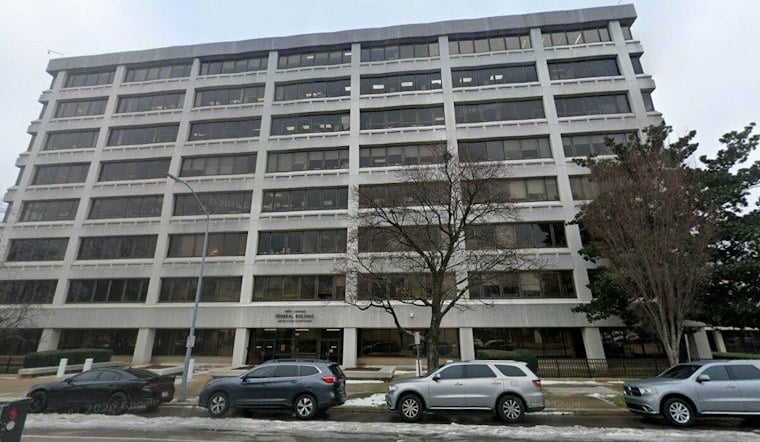
Part of what makes this particular stretch tricky is what already sits on it. The proposed stretch includes a downtown post office and the Terry Sanford federal building, meaning a name change would affect their addresses, the outlet reports. Rainey has said the renaming process will take time, a reflection of the layers of bureaucracy involved when federal buildings are in the mix.
Raleigh's own rules add another layer. The city's guidance on changing a street name says that after a public hearing, City Council votes to approve or deny the request, and if approved, the new name typically takes effect six months later to give residents and businesses time to update their records. Separately, the city's policy on new street names requires that an honoree have been deceased for at least five years and have held local historical, cultural or social significance, criteria whose application to this specific proposal has not been established.
The Man Behind the Proposal
Lightner's path to City Hall began in 1967, when he was elected to Raleigh's City Council as its second Black member. He represented Southeast Raleigh on the council from 1967 to 1973, according to a North Carolina General Assembly resolution. On November 6, 1973, he was elected mayor, becoming the first African-American mayor of a Southern capital city and Raleigh's first popularly elected mayor, the resolution states. He served as mayor from 1973 to 1975.
Before his time in elected office, Lightner was part of the Oval Table Gang, a group that strategized with civil rights pioneers Ralph and June Campbell in an effort to end segregation peacefully. Sources conflict on exactly when Lightner died: the General Assembly resolution states he died on July 8, 2002, while a New York Times search-result snippet lists his death as July 12, 2002, at age 80.
A Street Named for a Destination, Now Linked to a Legacy
New Bern Avenue's own name traces back to a simpler naming convention. Raleigh's four main downtown streets were originally named for the towns they led to, and New Bern Avenue was named for New Bern, the town the road once pointed toward. Today the corridor is in the middle of a different kind of transformation — one that will bring North Carolina's first high-speed bus line, per newsobserver.com's reporting.
The City of Raleigh has said it was preparing to advertise the third and final construction package for the New Bern Avenue Bus Rapid Transit project by the end of fall, a phase that includes the vertical construction of BRT stations, according to the City of Raleigh. Whether the rapid-transit overhaul and the push to honor Lightner ultimately share the same stretch of pavement remains to be seen, but for now, advocates are focused on getting the naming conversation in front of the people who can make it official.



