

























































Higher grocery prices capture what Southern California shoppers are running into all over the region this Thanksgiving: costs on nearly everything are rising, forcing people to rethink what, and how much, they put in their carts. Food banks across the Inland Empire and San Gabriel Valley say they are seeing record numbers of people asking for help just as the holiday meal itself has gotten more expensive to put together.
Benjamin Bui, who runs a restaurant supply operation, told The Press-Enterprise that his overall supply costs have risen 10% to 20%, and that a box of plastic pho bowls he buys has climbed from $30 to $34. Bui opened Pho Nam inside the 99 Ranch Market food court in Chino in August 2025, only to learn that the supermarket chain planned to close that bulk food warehouse and food hall on November 15, according to the same report. He is now looking for another restaurant location elsewhere in Southern California.
Other shoppers described similar sticker shock. David Becerra, a 62-year-old retired Walmart employee living on Social Security, said he paid $1.70 for a carton of 18 large AA eggs and called the higher prices outrageous for people who do not work, per the Press-Enterprise account. In Rancho Cucamonga, Ron Gonzalez skipped buying soda and other drinks earlier this month because the checkout lines were too long.
What's Actually Driving the Higher Bills
The American Farm Bureau Federation's annual survey, which tracks grocery prices through hundreds of volunteers in all 50 states and Puerto Rico, found that a classic Thanksgiving meal for 10 costs $58.63 this year, or about $5.86 per person, according to the Farm Bureau. That is more than 6% higher than 2025 and marks the first year since 2022 that Thanksgiving meal prices have risen, though it remains $5.42, or 8.5%, below the record $64.05 cost set that year. A 16-pound frozen turkey averaged $23.68 this year, up 10% from $21.50 in 2025, the Farm Bureau said, attributing the increases partly to higher diesel and fertilizer prices and increased labor expenses tied to processing and transportation.
A separate analysis from Groundwork Collaborative and The Century Foundation put the overall increase even higher, finding that Thanksgiving dinner costs rose 11% over the past year — roughly three times the broader 3.7% inflation rate. That report, which measured a different basket of items than the Farm Bureau's survey, found frozen turkeys running 26% more than last year, with elbow macaroni up 40.2%, green beans up 36.7% and cream of mushroom soup up 22.5%, according to Groundwork Collaborative. The group also found Reynolds Wrap aluminum foil running 22.3% higher, and its polling found fewer Americans planning to host Thanksgiving dinner this year, with many planning to change menu items or cut back on guests.
A KESQ report citing its own tracked food basket found an 11% year-over-year jump as well, from $123.52 to $137.12, with a 15-pound frozen turkey rising 26% from $15.60 to $19.65, according to KESQ. Gas prices add another squeeze for holiday travelers: California's statewide average for regular gasoline sat at about $5.51 per gallon, nearly $1 higher than a year earlier, though AAA noted that Southern California averages had actually fallen roughly 90 cents since early October after seven straight weeks of declines, per AAA. California diesel, which factors into food transportation costs, was reported at $7.86 per gallon, up $2.70 from a year earlier.
Food Banks Stretched Thin Across the Region
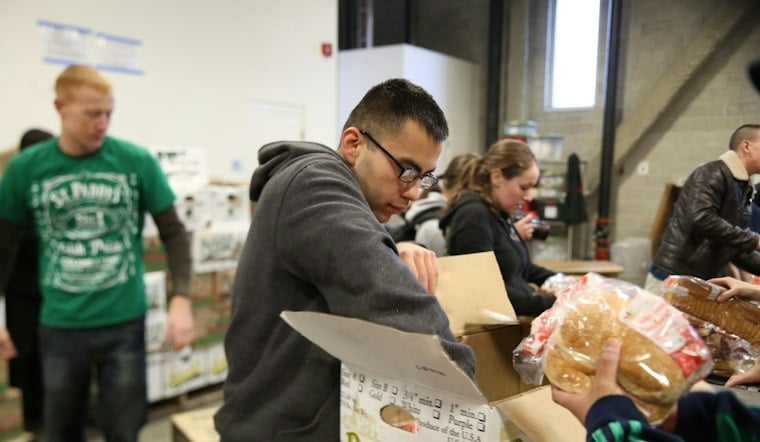
Not everyone is weighing which groceries to cut back on — some are leaning entirely on food assistance. Foothill Unity Center in Monrovia distributed Thanksgiving food to almost 1,000 households this past Wednesday, Nov. 18, and expects to reach 3,500 households by the end of its distribution period, according to the Pasadena Star-News. The organization said the Thanksgiving food package it hands out would have cost an ordinary shopper about $250 at the grocery store, and that overall traffic is up 25% this year, especially over the past four months. Foothill Unity's Penny Pitts counted 698 people passing through its warehouse on Nov. 18 alone and said people simply cannot afford food even when they are working.
Union Station Homeless Services, separately, plans to serve 6,000 Thanksgiving meals by the end of the holiday period, the same report noted. Demand at Foothill Unity is running about 30% higher than last year.
Farther east, Vida-Life Ministries food bank, founded by Carlos Medina, is now distributing food to 67,000 families per month — its highest number in 25 years — and provides roughly $250 worth of groceries at its weekly Saturday distribution, drawing on more than 800 pallets of food it receives monthly from Sysco Riverside and Gold Star Foods in Ontario, per the Press-Enterprise. In Pomona, the NewLife food bank, led by director Thiago Lein, serves about 800 families a week, while the New Life Church food bank in the same city normally sees 100 or more people lining up.
Shoppers Cutting Back, Retailers Shifting Strategy
Tommie Shepherd, a 72-year-old retired Los Angeles Metropolitan Transportation Authority maintenance worker, paid $99.92 for groceries recently and said she and her sister are skipping the holidays this year, according to the Press-Enterprise. Her experience echoes a broader pattern the Farm Bureau survey captured nationally, and regionally too — the Farm Bureau reported the classic Thanksgiving meal averaging $58.74 across Western states, just slightly above the national figure.
Even as households pull back, some retailers say cost-conscious shoppers are reshaping where they spend. Walmart reported its largest food-category market-share gain in three years, with executive John David Rainey telling Bloomberg that shoppers are looking for deals across product categories, with share gains led by deep-pocketed consumers as well. Meanwhile, the Southern California grocery landscape keeps shifting: Canadian Asian grocery chain T&T Supermarkets is set to open its first and largest Southern California location on December 10 along Peyton Drive in Chino Hills.




