

























































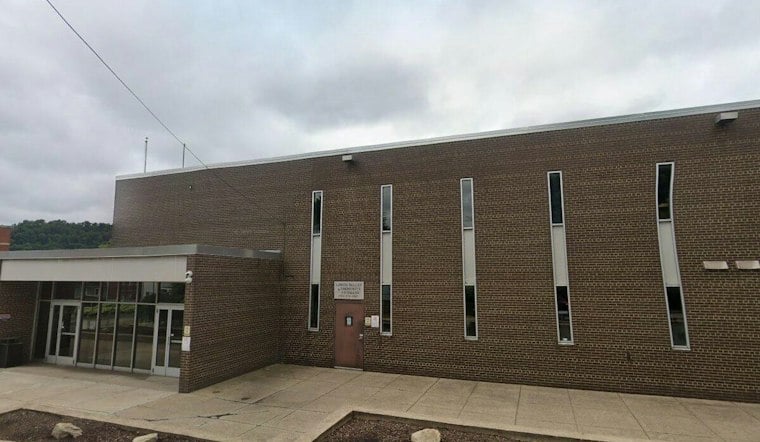
Springdale Borough Council voted 7-0 Monday to approve a preliminary 2027 budget that would raise property taxes by 10.3%, pushing the owner of a median-value home from a $804 annual bill to $887. The proposed spending plan totals roughly $4.7 million against projected revenue of about $4.5 million, leaving a gap that officials say the tax hike is designed to close while also rebuilding a capital reserve fund that one councilman called dangerously thin.
Why Council Says The Increase Is Needed
According to TribLIVE.com, the borough currently taxes property at 9.75 mills and would raise that rate to 10.75 mills under the preliminary plan, a jump councilwoman Dolly Stephens proposed specifically to balance the budget. The borough projects a deficit of about $18,000, and the roughly $185,000 the tax hike would generate is meant to close that gap while also replenishing reserves, the outlet reported. The borough's own tax-information page lists the 2026 millage as 9.30 for the borough itself, plus separate library and fire taxes of 0.25 and 0.20 mills, though it was not clear from available records how that figure relates to the 9.75-mill rate cited in council's budget discussion.
Councilman Joe Kern described the capital reserve fund, which covers emergencies, major repairs and capital projects, as the borough's safety net. He said the fund had been really low during the prior year's budgeting and called that situation dangerous, the same TribLIVE report noted.
Road Salt And A Police Staffing Workaround
Rising costs are squeezing the budget in smaller ways too. Springdale paid $96 per ton for road salt last year but expects to pay between $154 and $162 per ton this year, and the preliminary budget includes increased spending on salt to cover that jump, the TribLIVE report states.
On the police front, the Springdale Borough Police Department received a $200,000 grant to hire two part-time officers, which Derek Dayoub attributed to covering two staff members currently on medical leave. Michael Ziencik said hiring the part-time officers avoided overtime costs that would have strained the budget further. Separately, council has delayed hiring a full-time night-shift officer for a position that became vacant in 2025; Dayoub said leaving that slot vacant saved on benefits and salary even as it increased overtime elsewhere. The borough has not disclosed how much it has spent on overtime, union contracts or benefits.
What Happens Before Final Approval
Ziencik said the budget would be posted for public review before council takes a final vote, and the borough is expected to post the preliminary document in the borough building by December 5. Council must approve the official 2027 budget by December 31.
Springdale's budget from the prior cycle passed without any property tax increase even as sewer rates rose 7%, from $13.75 to $14.75 per 1,000 gallons, according to a report from community.triblive.com. That earlier budget had projected general-fund income rising about 5% to $3.38 million, with expenses exceeding income by roughly $1,000 — a gap borough manager Terry Carcella said reserves would cover. That same report had pegged the median property tax bill at about $801 annually under a 9.75-mill rate, a figure close to but not identical to the $804 cited in the current cycle.
Springdale isn't alone in wrestling with its books this budget season. In nearby McKees Rocks, officials ultimately decided against a tax increase for 2027 after finding other funds to balance their budget, according to westhillsgazette.com. That borough had considered raising its real estate tax rate from 9.4 to 11.4 mills, a change the outlet characterized as a 21.3% increase, before officials there said, “We are not increasing taxes at all.”





