

























































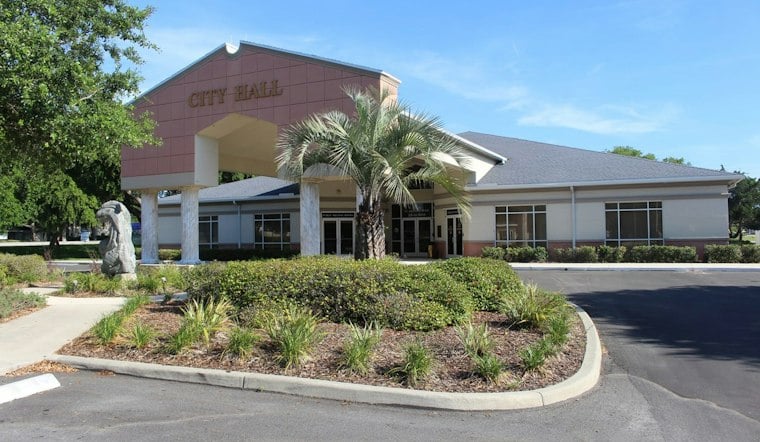
St. Augustine Beach is bracing for a budget hit that could top $1 million within two years, after voters approved Amendment 3 and cut into the property tax revenue that funds roughly half the city's core services. Mayor Beth Sweeny says the city is projected to lose about $650,000 in year one alone, with losses climbing past $1 million by 2028.
The city operates on a total budget of approximately $15 million, with a general fund of roughly $12 million, about $5 million of which comes from property taxes, according to News4JAX. Roughly half of the general fund goes toward personnel costs, covering police officers, public works staff and city administrative employees, out of a staff of about 63. The city's FY2027 budget materials, published by the City of St. Augustine Beach, list a total budget of $15,555,894 and a General Fund of $11,922,683, up from $15,153,187.82 the prior fiscal year.
Sweeny described a municipal budget with little room to maneuver. “We don't have a lot of fluff,” she said, per the station's report, characterizing the city's spending as focused on core quality-of-life services rather than discretionary extras.
Police Spending Under Review, but No Decisions Yet
The St. Augustine Beach Police Department accounts for roughly 30% of the city's entire budget, and the city says it will examine that spending as part of its broader review of options to address the coming shortfall. The budget documents show $4,163,056 earmarked for law enforcement out of the $11.9 million General Fund for FY2027. Sweeny said it's too early to determine whether staff reductions will ultimately be necessary, and that the city will assess its position after the first year before considering cuts for year two.
One option the mayor said she doesn't want on the table right now is paid parking; St. Augustine Beach currently offers free parking, and Sweeny said she does not want paid parking considered at present. She also pushed back on the idea that local governments across the board are to blame for their own budget strain, saying some Florida governments may be overspending, but that St. Augustine Beach shouldn't be broadly categorized with them.
A Statewide Reckoning Taking Shape
St. Augustine Beach's situation mirrors a pattern playing out across Florida as cities and counties tally what Amendment 3 will cost them. State economists predict the measure will cut local property tax revenue by nearly $12 billion on a recurring basis, according to Florida TaxWatch. PolitiFact reports Florida economists estimate the amendment will cut $13.7 billion in local government revenue over its first two years, with annual losses settling near $12 billion thereafter. If fully phased in, shortfalls are estimated to reach $11.86 billion by fiscal year 2031-32, per Suncoast Searchlight.
Nearby governments are already responding. St. Johns County could see revenue reductions of $68.3 million in fiscal year 2028, growing to $191.6 million by fiscal year 2032, and has placed about $100 million in capital projects on hold, including a planned fire station in the Beachwalk area, according to a separate News4JAX report. Fernandina Beach is projecting a roughly $7 million annual decline in property tax revenue and is weighing hiring freezes, benefit reductions, facility closures and fee increases, the Fernandina Observer reported. Jacksonville's City Council auditor has projected a $300 million hit by the 2028-29 fiscal year, though Jacksonville Today notes Mayor Donna Deegan's administration isn't proposing immediate spending cuts, instead planning across-the-board reductions in next year's budget.
An Orlando Sentinel analysis comparing current general-fund figures against Florida TaxWatch's projections found 2028 revenue losses ranging from 4% of Eatonville's general fund to 32% of Lake County's. The same analysis found Howey-in-the-Hills stands to lose $936,752 in 2028, equal to 22.5% of its roughly $4.2 million general fund.
Waiting on the Legislature and the Residents
Sweeny said the city is watching to see what state lawmakers do next, and she has asked them to include cities and counties in the conversation going forward. She said addressing the budget situation will take the whole city, and she's encouraging residents to attend city commission meetings and weigh in on next steps. The city makes its budget publicly available online.
At least one St. Augustine Beach resident told the station they're waiting to see whether their home assessment increases before forming an opinion on how the city should respond. For now, the city's commission and administration are reviewing all possible options to address the coming budget reductions, with no firm decisions yet on staffing, police spending or parking policy.





