

























































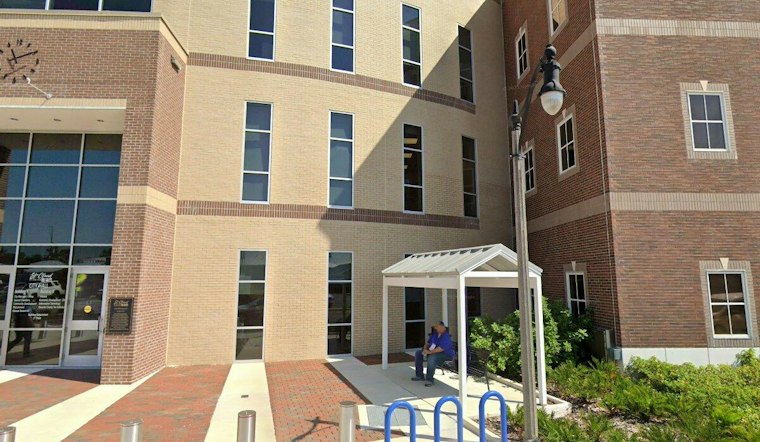
A proposed overhaul of St. Cloud’s planning and zoning fees could raise the cost of permits for some residents and developers. The city commissioned a study of its planning and zoning fees.
Completed by local-government and utility-management firm Raftelis, the community development fee study was requested by the city in October 2024, according to WKMG. The study examined the city’s community development fees.
A Growing Cost-Recovery Gap
Community development department expenditures rose from about $1.32 million in fiscal year 2022 to about $2.6 million in fiscal year 2025, WKMG reported. Revenue increased over the same period, from $782,000 to just over $1 million, but remained well below expenditures.
The study says the shortfall means general taxpayers have helped pay for the department’s operations, alongside applicants and developers who pay fees. It recommends considering higher fees to increase department revenue and reduce future subsidization, with the broader goal of bringing charges in line with the cost of services.
What Florida Law Says About Building-Code Fees
Florida Statutes section 553.80 says fees authorized under that provision must be used solely for local governments’ responsibilities in enforcing the Florida Building Code, according to the Florida Senate’s 2025 Florida Statutes. The provision addresses fees authorized under that section; its stated restriction is specific to building-code enforcement and does not state that planning and zoning charges are subject to the same rule.
Examples of Proposed Fee Changes
Some of the proposed changes would affect homeowners. The proposed schedule includes fees for residential fence applications, above-ground pools and retaining walls. For commercial projects, a building fence permit would rise from $120 to $200.
The proposed schedule would also raise both temporary sign request and directional sign request fees from $110 to $230. The report says the changes are intended to bring St. Cloud’s fees closer to those in neighboring Kissimmee and Osceola County.
A Separate Budget Pressure
The study also points to possible pressure on the city’s broader finances from Florida property tax reform. Florida voters approved Amendment 3. Florida TaxWatch figures cited in the report project that the city will lose more than $9 million in the measure’s first year.
The projections rise to $9,171,431 in 2027-28, $17,372,863 in 2028-29, $19,703,049 in 2029-30, $22,389,038 in 2030-31 and $25,345,818 in 2031-32. The projected five-year total is $93,982,199.
Council to Consider the Study
The City Council was scheduled to discuss the study and a potential fee schedule at its regular meeting Wednesday at 6:30 p.m. Any decision on the proposed charges comes as St. Cloud weighs the department’s rising costs and the projected Amendment 3 revenue losses.





