

























































St. Johns County's sea turtle nesting season officially came to a close on Saturday, as beachgoers marked Halloween; daylight saving time ended Sunday. The overnight vehicle restrictions that have shaped evening beach access since May are now lifted, and the county's protected nesting habitat heads into its off-season.
The season ran from May 1 through October 31, according to St. Johns County, which spent those six months asking residents and visitors to help protect nesting turtles and their hatchlings. During that stretch, the county closed vehicular beach-access gates promptly at 7:30 p.m. and reopened them at 8 a.m., a nightly routine meant to keep headlights and tire ruts away from nests during the hours turtles are most active. Those overnight closures are now over for the year.
County officials framed the rules around a simple request: leave the beach safe and clean for turtles to nest and hatch. It's a guideline rooted in biology as much as courtesy. The Florida Fish and Wildlife Conservation Commission notes that some sea turtle species have been known to nest as early as February, and hatchlings can emerge from their nests as late as the mid-winter months, according to FWC — meaning the official end-of-season date doesn't necessarily mean every nest has finished hatching.
Why Vehicles and Lights Remain a Threat
The reasoning behind the gate closures comes down to basic survival odds for hatchlings. Vehicles on the beach can scare off nesting females before they lay their eggs, and hatchlings are vulnerable to being run over, the same FWC guidance states. Tire ruts left in the sand can also trap or disorient the tiny turtles as they try to crawl toward the surf.
Artificial light poses a similar danger. Both adult and hatchling sea turtles can be disoriented by any form of artificial light, including headlights, per the agency's findings. That disorientation can send hatchlings wandering inland instead of toward the ocean, which is part of why beachfront properties in the area have been expected to eliminate non-compliant interior and exterior lighting visible from the beach, according to a report from USA Today.
⌛ End of the season
The season ended Saturday.
What the Numbers Actually Show
The most recent confirmed tally comes from 2025, when St. Johns County documented 999 nests along its coast, a slight increase from 2024. County officials described that growth as a positive sign for the continuation of an increasing trend into the future. But the same report noted a complication: persistent high tides toward the end of the 2025 season dragged hatch success for many nests below average, a reminder that higher nest counts don't automatically translate into higher hatchling survival.
Ahead of this year's season, St. Johns County Coastal Management began tilling area beaches on April 6 to help maintain nesting habitat, loosening compacted sand so turtles could dig nests more easily. That prep work followed a pattern set by stronger seasons in the past. Back in 2021, the county recorded 822 nests — 795 loggerhead, 20 green and seven leatherback — and reported an 88% nesting success rate with 68,767 hatchlings emerging from local sands, per the same USA Today account. That year was also comparatively calm on the storm front, with just 12 nests washed out across Northeast Florida.
Legal Protections Stay in Place Year-Round
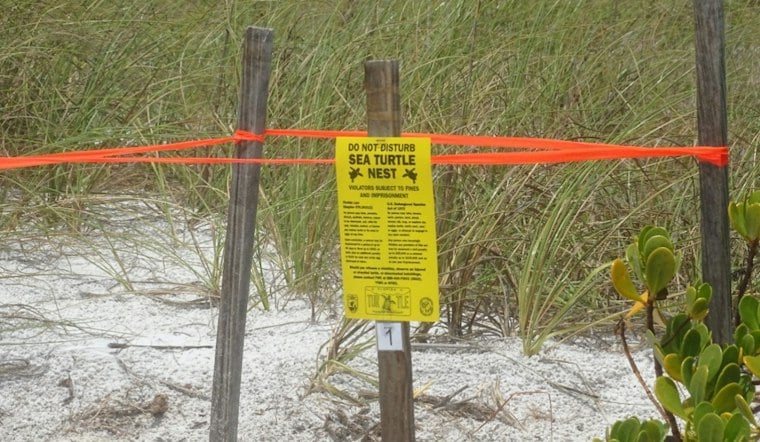
Even with the season over, the legal framework protecting marine turtles doesn't switch off. Sea turtles in Florida remain protected under the federal Endangered Species Act of 1973 and the state's Marine Turtle Protection Act, according to FWC. State law restricts taking, possessing, disturbing, mutilating, destroying, selling, transferring, molesting or harassing marine turtles, their nests or their eggs — rules that apply regardless of the calendar.
Beach driving itself isn't banned everywhere in Florida, but FWC says it's strictly prohibited year-round in many areas except for authorized personnel.





