

























































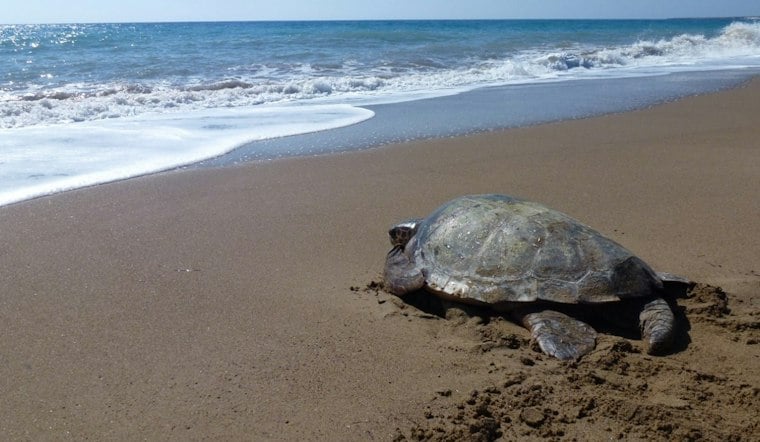
Sea turtles turned St. Johns County beaches into a record-breaking nursery this year, with 1,483 nests counted along the coast during the 2026 nesting season. That tally blows past the county’s previous record of 1,205 nests, set just three years earlier, and sets a new county record.
The 1,483 nests along St. Johns’ coast this year dwarfs the previous local record of 1,205 nests in 2023, according to Jacksonville Today. St. Johns County Beach Services also posted about the season on social media, according to SJC Beaches.
🥚 Year of the turtle — Record-Breaking 2026 Sea Turtle Nesting Season in St. Johns County.
Hatchling Counts Vary Slightly Between Sources
Exactly how many baby turtles made it out of those nests depends on who’s doing the counting. The county’s own graphic put the number at more than 110,000 hatchlings, while the same news report that detailed the record nest count described county environmental staff as estimating that the nearly 1,500 nests yielded about 110,000 hatchlings this season. Either way, it’s a staggering estimated hatchling total for St. Johns County.
Most of those nests were laid by loggerhead sea turtles, the report notes, though the count also included nests from leatherback and green turtles, plus one confirmed Kemp’s ridley nest — a rarer visitor to local beaches. Florida’s sea turtle nesting season runs from March to October, according to a report from Yahoo, meaning the counts reflect several months of monitoring up and down the coastline.
Warmer Sand Raises Questions About Future Generations
Behind the celebratory numbers sits a quieter concern among researchers. Warmer nests tend to yield more female hatchlings, and scientists worry that an unsustainable skew toward females could eventually contribute to population decline, per the same Jacksonville Today report. It’s a reminder that even a record nesting season carries long-term uncertainty for the species.
St. Johns County’s numbers also fit into a bigger statewide picture. Florida recorded 136,743 loggerhead nests across the state this year, according to the Florida Fish and Wildlife Conservation Commission as cited by Yahoo. The state also documented 2,270 leatherback nests, a count that would set a new statewide record if confirmed during data review, the outlet reported.
For now, St. Johns County’s own number stands on its own as a clear milestone — nearly 300 nests more than the previous record from 2023. Questions about the species’ long-term future remain, but for one season at least, the county’s beaches delivered.





