

























































A Pinellas County sheriff's deputy drove his own patrol cruiser into the path of a wrong-way driver near the Don CeSar in St. Pete Beach, stopping a car that had already nearly hit two vehicles and flattened a mailbox. The driver, identified by deputies as 45-year-old Stephen Gronda, was arrested on DUI-related charges after the confrontation.
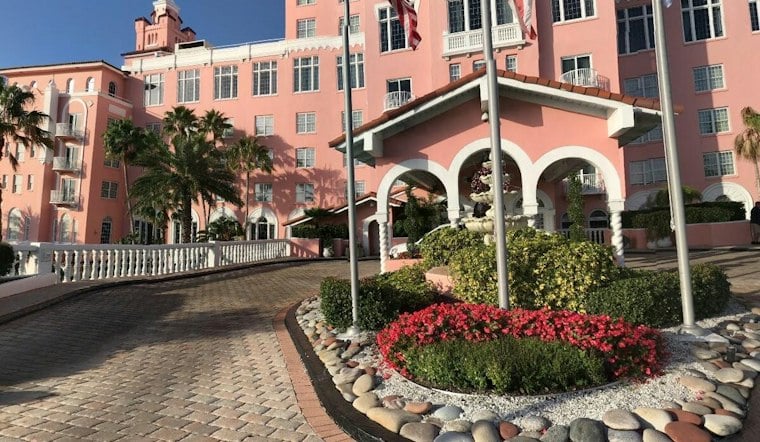
The incident unfolded around 7:15 p.m. on Nov. 17, according to Tampa Bay 28, after authorities received a call reporting that a driver had nearly struck two vehicles and run over a mailbox. Pinellas County deputies said the man was driving on the wrong side of the road near the Don CeSar, the pink Gulf-front hotel that has long served as a landmark in St. Pete Beach.
As bodycam footage referenced by FOX 13 Tampa Bay shows, a sergeant made the split-second decision to intentionally position his patrol cruiser directly in the oncoming car's path to bring it to a stop. The vehicle was traveling slowly at the time, and the outlet reported no injuries resulted from the crash.
Driver Accused of Refusing Sobriety Tests
Once the car was stopped, deputies said Gronda appeared heavily intoxicated and declined to participate in field sobriety exercises. The reported charges against him include refusing to submit to testing after a prior refusal, as well as leaving the scene of a crash involving property damage, per the same report.
The sheriff's office said Gronda has two prior DUI arrests and one previous charge of refusing to submit to testing. No further details about the earlier cases were provided in the available reporting.
Wrong-Way Crashes Carry High Stakes Statewide
Wrong-way driving incidents remain a serious safety concern across Florida highways and arterial roads, even when, as in this case, nobody was hurt. According to Transportation Operations, six out of ten wrong-way crashes on arterial roads and seven out of ten on freeways statewide result in at least one person being harmed.
The Florida Department of Transportation has worked for years to reduce those outcomes through technology and design changes. The agency reports that more than 95% of vehicles entering from exit ramps equipped with wrong-way vehicle detection systems do not end up in a wrong-way crash, with pilot deployments of that detection technology dating back to 2014 and expanding statewide since. FDOT also says that when detection-triggered WRONG WAY signs activate, an average of more than 80% of wrong-way drivers self-correct and turn around before a crash occurs. Enhanced design standards for signs and pavement markings have been part of the agency's broader rollout since 2019, with standards exceeding federal MUTCD requirements built into the FDOT Design Manual since 2021.
In the St. Pete Beach case, it was a deputy's cruiser rather than roadside technology that ultimately brought the wrong-way vehicle to a halt. No further court dates or additional case details were available at the time of reporting.




