

























































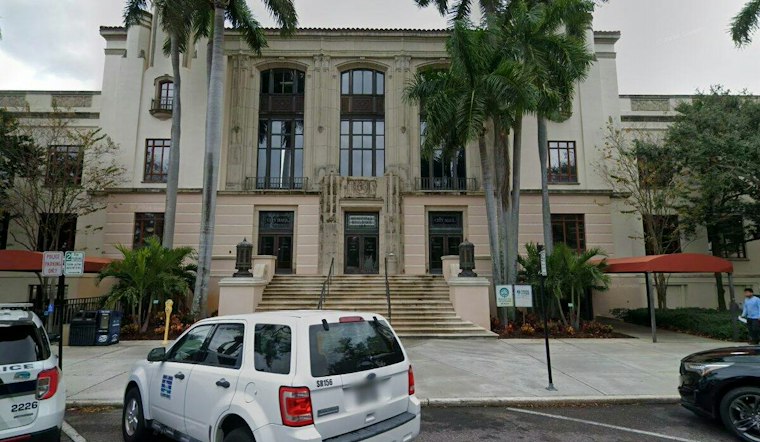
St. Petersburg is weighing a change to its city code that would stop neighborhood association board members and directors from sitting on two commissions that shape how the city grows. The proposal targets the Community Planning and Preservation Commission and the Development Review Commission, and it has already caught neighborhood advocates off guard ahead of a public hearing set for December 3.
The idea surfaced after city planning officials said the move is intended to address potential conflicts of interest, according to Tampa Bay 28. Derek Kilborn of the city's Planning Department said on October 6 that “we have had a couple questions come up recently” about people serving in both a neighborhood association role and a commission seat at the same time. Kilborn added that it would be appropriate to add language to the city code addressing the overlap.
How Conflicts Have Been Handled Until Now
Until now, the station's report notes, neighborhood association board members who sat on either commission have been allowed to recuse themselves from specific votes whenever a conflict of interest arose, rather than being barred from the seat altogether. The proposed changes would go further, preventing those board members and directors from holding the dual roles in the first place. The exact code language and its legal effect were not detailed in available city materials.
Franklin Alves, who is affiliated with the Council of Neighborhood Associations, said the committees exist precisely to give residents a path into decision-making. “These committees are meant to help elevate neighborhood leaders into these decision-making roles,” Alves said, adding that those positions let neighborhood representatives carry context back to their communities. Alves also said the proposal landed hard among neighborhood groups: “I think all neighborhoods were really shocked at how they were singled out.”
Residents Push Back on the Proposed Ban
In Historic Roser Park, residents said they want their neighborhood's leaders to keep a voice on the planning commissions rather than lose it under the new rule. Meiko Seymour, who is affiliated with the Historic Roser Park Neighborhood Association, said resident involvement on the committees matters because neighborhood leaders bring firsthand experience of the communities affected by development decisions. Seymour also said that kind of participation helps preserve the city's character as St. Petersburg continues to grow.
Other residents echoed that concern. Kathy Posey said neighborhood leaders know their neighborhood and the issues currently needing resolution, while resident Kim Barnard put it more simply: “They know what's happening.” Some neighborhood leaders said barring them from the commissions could strip away community perspectives that currently factor into city planning decisions.
What the Commissions Actually Do
The two bodies at the center of the debate carry real weight in St. Petersburg's development process. A City of St. Petersburg notice describes the Community Planning and Preservation Commission as made up of seven regular members and three alternates, tasked with reviewing map amendments to the Future Land Use and Official Zoning maps, participating in specialized zoning and land-use planning projects, and weighing in on historic and archaeological preservation matters.
The Development Review Commission has a narrower but equally consequential job. Per a city notice dated April 23, 2025, it evaluates and acts on development proposals within the city to ensure compliance with the Comprehensive Plan, zoning ordinance, and other applicable city regulations. Both commissions regularly weigh in on projects that directly affect the neighborhoods whose association leaders might soon be barred from serving on them.
The public hearing on the proposed code changes is scheduled for December 3, though it remains unclear whether the St. Petersburg City Council will adopt the restrictions as written or amend them in response to the pushback from neighborhood groups. For now, the debate centers on a tension that's familiar in local government: balancing concerns about conflicts of interest against the value of putting people with ground-level knowledge in the room where planning decisions get made.




