

























































Manteca sewer ratepayers could see their looming rate hikes softened by more than $10 million under a proposed deal that would connect a problem-plagued mobile home park's wastewater system to the city's network — with the state picking up the tab. The arrangement centers on Islander Mobile Home Park, an 85-space community on the western end of Woodward Avenue whose private sewage system has drawn repeated violations over the years.
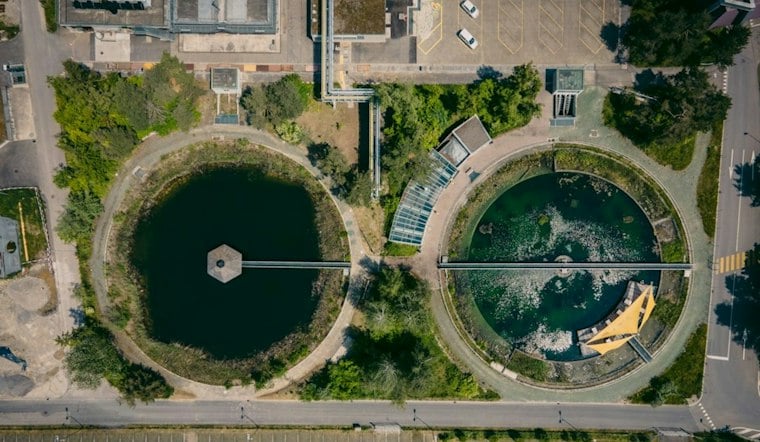
The park owns and operates its own wastewater collection and treatment system near the San Joaquin River, permitted through the San Joaquin County Health Department, according to the Manteca Bulletin. That system has racked up numerous violations over the years, including odor complaints and raw sewage releases, the newspaper reports. The park reportedly lacks the technical and financial resources to fix the problem on its own, and is now seeking help from the California Water Resources Control Board.
It was the state board, not the park or the city, that set the current proposal in motion. The state board reached out to Manteca about a potential voluntary sewer consolidation project, the newspaper's report notes, setting off negotiations that could reshape how the mobile home park handles its sewage — and how much Manteca residents eventually pay for their own system upgrades.
What the State Would Cover
Under the proposed terms, the state would fund all of the work required to consolidate Islander Mobile Home Park with the city's sewer system, as well as all work needed to abandon the park's existing, violation-prone system. The park sits within Manteca's 2043 general plan sphere of influence, but the agreement would not bring it into the city limits — the park would not be annexed into Manteca under this deal, per the same report.
The park would still own and maintain a new lift station as part of the consolidation, and it would pay the city's standard applicable wastewater rates going forward, rather than operating its own separate system. The park has indicated it will support the sewer consolidation effort, according to the Bulletin's reporting.
A Financial Boost for the City's Treatment Plant
For Manteca, the payoff goes well beyond simply absorbing one mobile home park's sewage flow. If the agreement proceeds, the city would receive $10 million outright for wastewater treatment plant improvements, and would have the option to fund another $20 million of work using an interest-free loan — money the report says could substantially ease the burden currently projected for sewer ratepayers.
The city would also serve as the lead agency under the California Environmental Quality Act and would receive 10% for project administration, the article notes. Altogether, the newspaper's report describes an arrangement in which ratepayers could see their financial burden lowered by well over $10 million — though the deal still has a bureaucratic hurdle to clear. The agreement is set to be included in a financial package submitted to the State Water Board's Division of Financial Assistance for funding approval, meaning nothing is final until that approval comes through.
Why the Timing Matters for Ratepayers
The stakes for Manteca households are considerable. The Bulletin previously reported that the city's water and wastewater master plan updates identified more than $633 million in system improvements needed through 2045, a price tag that has already been driving steep rate increases. A separate Bulletin report found that combined basic sewer and water rates were projected to climb from $60.45 to $107.03 once proposed increases are fully phased in by 2028, a 77% jump.
Monthly sewer charges alone were projected to rise from $43.40 to $72.50 by July 1, 2028, under the previously reported rate schedule, and the average household using around 11,968 gallons of water a month was projected to see combined water and sewer charges climb by $94.35 over three and a half years, according to the Bulletin's earlier coverage. Shaving more than $10 million off the plant upgrade costs, as the new proposal suggests, would chip away at the spending driving those projected increases.
A Program Built for Struggling Park Systems
The funding mechanism behind the proposal is the State Water Board's Clean Water State Revolving Fund, described by the State Water Resources Control Board as a federal-state partnership that provides loans and grants for wastewater infrastructure projects, including connecting previously unsewered or septic-reliant areas to centralized sewer systems. Similar consolidation projects have moved forward elsewhere in California: state filings describe the board financing a project folding 40 mobile homes at Shady Lane Mobile Home Park into the Coachella Sanitary District's municipal system, and another financing a wastewater consolidation at Golden Feather Mobile Home Park.
The pressure facing Islander Mobile Home Park's aging private system is not unique among the state's manufactured housing communities. California has roughly 4,500 state-licensed mobile home parks, and about 40 of them currently have suspended licenses, according to a CalMatters analysis. The same report cited a state audit finding that inspectors visited 91% of state mobile home parks over the preceding decade, but only half of those visits were full inspections, and 330 parks received no visit at all — underscoring how uneven oversight of park infrastructure can be statewide.
For now, the Islander Mobile Home Park proposal remains just that — a proposal awaiting inclusion in the financial package headed to the State Water Board's Division of Financial Assistance. Whether the funding is approved, and when any construction might begin, has not been established.





