

























































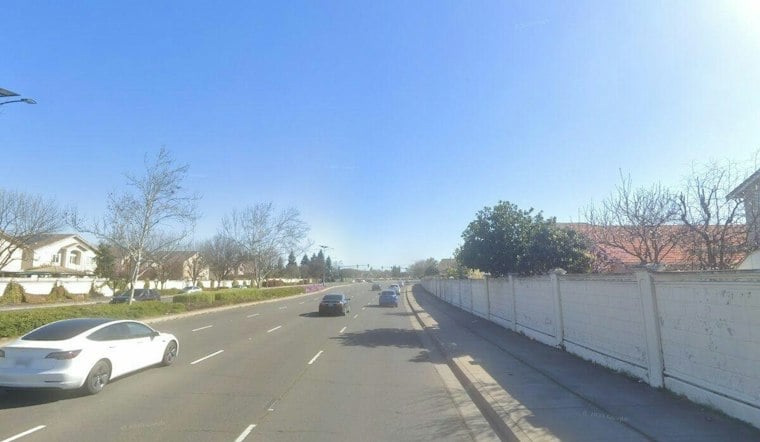
Stockton's City Council has approved a Vision Zero Action Plan with a goal of cutting traffic deaths and serious injuries in half by 2040 and eliminating them by 2050. Mayor Christina Fugazi said traffic fatalities had briefly declined before trending upward again.
A Plan Years in the Making
The council's vote followed nearly two years of work by city staff and transportation consultant Fehr & Peers, drawing on federal funding and public input, Stocktonia reported. The scale of the problem is reflected in two reported figures for 2018 to 2022: KCRA reported more than 450 collisions and more than 200 people severely injured or killed, while a city analysis cited by Stocktonia counted 466 crashes resulting in death or serious injury.
Fugazi said Stockton traffic fatalities had been reduced by 50% in the prior year, only to see them climb 100% higher than that same prior-year figure more recently — a reversal she described as moving in the wrong direction. A recent report identified March Lane and Wilson Way as among the streets most affected by serious crashes, giving city planners an early target list as they look to translate the plan's broad goals into specific street fixes.
What Could Actually Change on Stockton's Streets
The plan is a framework, not a construction authorization: the city still needs to identify funding and formally approve individual improvements before work can begin, Stocktonia reported. Potential measures include redesigned intersections, protected bicycle lanes, safer pedestrian crossings and traffic-calming measures. A city estimate puts proposed safety improvements at $26 million.
Stockton was awarded funding from the U.S. Department of Transportation's Safe Streets and Roads for All grant program specifically to develop this kind of comprehensive safety action plan, according to the City of Stockton. The city plans to hold community meetings in the new year to gather additional public input on potential improvements.
How to Read Stockton's Crash and Project Records
For context on the state's annual crash rankings, the California Office of Traffic Safety says they use SWITRS crash data, population estimates from the California Department of Finance and vehicle-miles-traveled estimates from Caltrans. That methodology provides context for interpreting safety statistics; the cited information does not give Stockton's year-by-year totals or definitions for the plan-period categories.
A separate City of Stockton request for proposals issued June 26, 2024, proposed pedestrian-safety enhancements at Wilson Way and Park Street and at Wilson Way and Waterloo Road, among other intersections. The city document describes proposed work, not evidence that it was completed or an evaluation of its effects.
Councilmembers Press on Business Impacts
Not every question got resolved at the dais. Stockton councilmembers questioned whether proposed improvements would affect local businesses, with councilmember Brando Villapudua specifically asking whether truck-dependent businesses might lose routes because of the changes. Project consultants told the council the proposed changes would have no impacts on local businesses, while Stockton resident Janine Mitchell said the plan was a good idea.
Residents who drive Stockton's streets regularly say the stakes are easy to see. Eric Weden, who visits the city weekly, said he often sees speeding and dangerous driving around Stockton — the kind of everyday hazard that Vision Zero plans are designed to target through engineering changes rather than enforcement alone.
How Stockton's Approach Compares to Sacramento's
Stockton isn't alone in retooling its traffic-safety strategy. Sacramento's own updated Vision Zero plan, detailed by The Sacramento Bee, found that 81% of crashes in that city occur within 150 feet of an intersection, and identified a high-injury network comprising just 14% of city streets where 75% of crashes occur. Sacramento's 2026 draft plan updates an earlier version built on data from 2009 to 2015.
Sacramento is now preparing two Caltrans grant applications tied to studies of 20 high-injury intersections and three city corridors, seeking up to $700,000 per project with roughly $100,000 in city matching funds set aside for each, the Bee reported. That city expects to learn by spring 2027 whether either application is funded — a timeline that illustrates just how long the gap can stretch between approving a safety vision and actually building it.





