

























































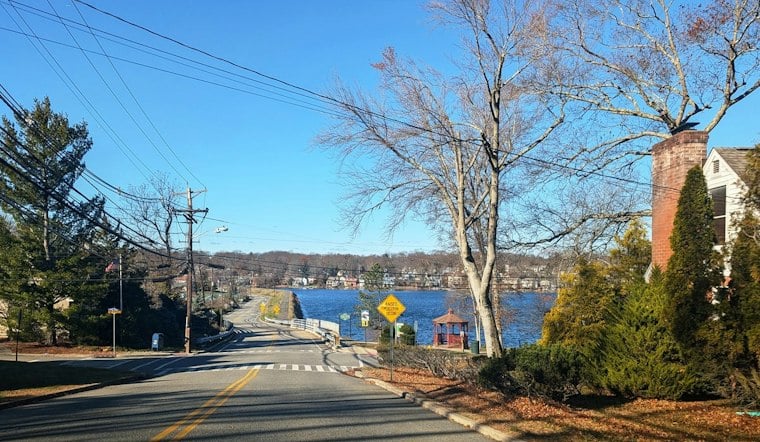
A baby goat wandering loose near Packanack Lake in Wayne is the unlikely spark behind a proposed township ban on slaughterhouses. The animal was retrieved by a Wayne animal control officer and taken to an animal shelter, and Mayor Chris Vergano says the stray prompted the ordinance now moving through the township council.
According to TAPinto, the Wayne Township Council voted 9-0 to introduce Ordinance No. 69 on Nov. 4, which would add slaughterhouses to the prohibited-use list in section 134-28, “Uses Prohibited,” of the township's land development code. Per Vergano, a report of the wandering goat near Packanack also mentioned that someone might be slaughtering goats at home, though the mayor did not identify any confirmed slaughtering operation.
Vergano described the proposed restriction as proactive rather than a response to a known violation, the outlet reported. Township planner Chris Kok said he did not know the full history behind the proposal, but he was clear about where he stands on the use itself: “frankly, that's not really a use we want in Wayne,” Kok said, citing smell and noise as potential nuisances slaughterhouses could bring to a neighborhood.
Why the Code Needed an Update
The discussions about slaughterhouses led officials to examine how the township's regulations addressed the use in the first place, and the review found no explicit prohibition on slaughterhouses within the land development ordinance. Slaughterhouses are simply absent from Wayne's list of permitted uses, the report notes, which left the door technically open.
Adding slaughterhouses to the prohibited-use list would make the council's position explicit and would make obtaining a use variance for such a business considerably more difficult. Kok said a person could still apply for a slaughterhouse variance, but the burden would be higher than if slaughterhouses simply went unmentioned in the code. Under Wayne's zoning regulations, any deviation from the use and bulk requirements of the relevant article requires a variance pursuant to N.J.S.A. 40:55D-70, and the code separately requires a zoning permit before anyone commences a use or changes an existing use of property, according to Wayne's zoning text.
What the Ban Would and Wouldn't Cover
Per the TAPinto report, the proposed restriction is aimed at a business slaughtering animals in a backyard and selling the meat — not at personal-use slaughter at home, which Kok said falls instead under health department jurisdiction. Kok also said the slaughterhouse provision and a separate BYOB measure under consideration are unrelated to one another, despite surfacing in the council's agenda around the same time.
Wayne's existing animal and public-health regulations already restrict where livestock can be kept and require sanitary conditions for any animals on a property. Per the same regulations, goats, sheep, pigs, cattle, horses and roosters may be kept only on established farms with written permission from the township health department, and livestock areas must remain clean and sanitary. The township separately prohibits health-threatening odors, harmful discharges onto the ground, and unsanitary disposal of wastewater or other waste — rules that could apply to conditions created by home animal slaughter, whether or not it rises to the level of a business.
Other New Jersey towns have grappled with similar line-drawing. Berkeley Heights' municipal code, for instance, prohibits killing, skinning or dressing an animal intended for food for sale without Board of Health permission, with an exception for certain licensed sport hunters, and separately bars operating a business or private practice of slaughtering and preparing poultry or animals for consumption or sale, according to the township's livestock rules.
Next Steps for the Ordinance
Ordinance No. 69 has so far received only introduction approval, with final approval scheduled to go before the Wayne Township Council on Dec. 2. Vergano also said a separate BYOB provision under consideration is intended to prevent alcohol consumption at businesses other than restaurants, a measure Kok maintains is unconnected to the slaughterhouse question. For now, the goat that set off the discussion remains at the animal shelter where it was taken after being retrieved.





