

























































A female bobcat got tangled in a barbed-wire fence near the Tres Belle community in Stuart early Tuesday morning, prompting a rescue effort from wildlife officers, sheriff's deputies and animal services personnel. The animal is now being evaluated at a local wildlife hospital and is expected to be set free once she's cleared as healthy.
Early-Morning Call Near Southeast Cove Road
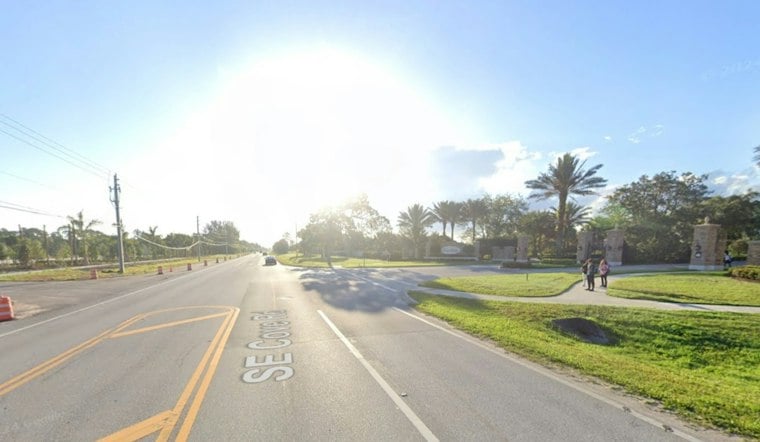
Officials said the rescue unfolded around 7 a.m. near Southeast Cove Road in Stuart, according to CBS12. Florida Fish and Wildlife Conservation Commission officers teamed up with Martin County Sheriff's Office deputies and animal services officers to free the trapped cat, a coordinated response that reflects how often multiple agencies get pulled into these encounters along the Treasure Coast.
On scene, Animal Services Officer Shannon McGee, Deputy Wes McNeal and Animal Services Supervisor Cpl. Christine Polizzi worked together to get the bobcat off the fence and to safety, per the same report. Officials described the animal as a healthy female, and she's now being evaluated at a local wildlife hospital before her eventual return to the wild.
Not an Isolated Encounter for Martin County
Bobcat run-ins have cropped up repeatedly around Martin County in recent memory. Back in August 2025, the Martin County Sheriff's Office handled two separate bobcat calls in short order, one involving a young injured bobcat and another involving a full-grown animal, according to a report from CBS12. In Jensen Beach, a young female bobcat was struck by a car in a medical-complex parking lot and rescued by a deputy and an animal services officer, CBS12 reported separately.
That Jensen Beach bobcat was treated for superficial scrapes on its front and back legs before later being released in a safe area, WPTV reported. In that same report, an animal control officer said calls about wild animals are becoming increasingly common, though the broader record doesn't establish a clear overall increase in bobcat incidents.
Bobcats are native and widespread in Florida, and they can live in suburban as well as more remote areas. The Florida Fish and Wildlife Conservation Commission says their territories are typically smaller in urban and suburban settings—1 or 2 miles, compared with 5 to 6 square miles in rural areas. That helps explain why a bobcat can turn up close to homes without indicating that encounters are increasing statewide; the agency describes the species as widely distributed across Florida.
Other Close Calls Across the Region
Not every rescue involves a fence or a fender. In Port St. Lucie, neighbors and a trapper known as Trapper Jay worked to free a bobcat that had gotten a 7-inch piece of plastic tubing wrapped around its neck, according to WPBF. Each case points to the same pattern: quick-thinking residents and multiple local agencies stepping in when a wild animal gets caught somewhere it shouldn't be.
The trip to a wildlife hospital also falls under state rules for handling injured native animals. Florida requires an FWC permit for wildlife rehabilitation, and the agency classifies bobcats as Class II wildlife, which carries additional experience or training requirements for rehabilitators. People who find injured wildlife are advised to contact a licensed rehabilitator rather than care for the animal themselves; FWC outlines the permit requirements for rehabilitating bobcats.
For now, the Stuart bobcat's timeline remains straightforward by comparison. She's being evaluated at a wildlife hospital, and officials say she'll be released back into the wild once she's cleared.





