

























































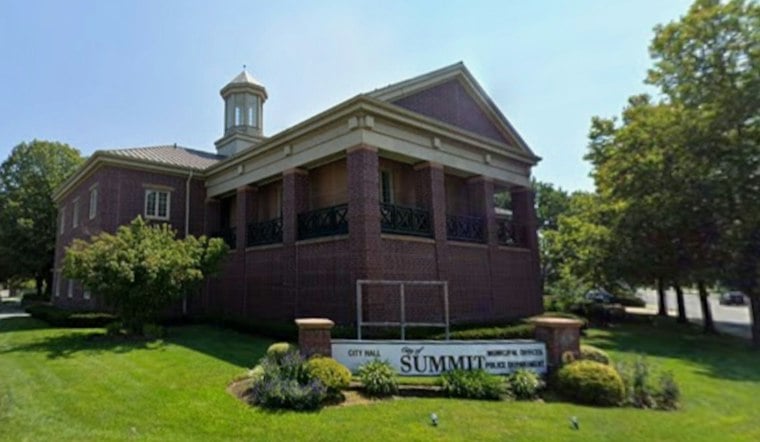
Summit's Common Council voted 5-1 last week to introduce an ordinance that would raise parking and land-use fees across the city, setting up a public hearing next month that could double what residents pay for parking permits and significantly increase costs for property owners seeking zoning relief. The lone no vote came from Councilwoman Jaclyn Lasaracina, who argued the city should look harder for savings before asking residents and businesses to pay more.
What the Ordinance Would Change
According to TAPinto Summit, the measure would raise the annual resident parking and disposal permit fee from $10 to $20 per vehicle, with the senior permit climbing from $5 to $10, both effective January 1, 2027. The city's own civic alert confirms an ordinance is pending to amend fees collected by the City of Summit's DCS Land Use Division, Police Department and Parking Services Agency, with hearings on the listed ordinances scheduled for the December 1 council meeting.
TAPinto Summit reported that Councilwoman Chantal Landman said the fees had not been adjusted in 20 years.
Land-Use Fees Also Climbing
Beyond parking, the ordinance would raise several land-use application fees, per TAPinto Summit's reporting. The preliminary commercial and industrial site-plan fee would become a flat $1,000, replacing a starting fee of $250 that previously varied by project size, and site-plan applicants would pay $3,000 upfront, including a required $2,000 review deposit. Lasaracina characterized the proposed site-plan fee as a meaningful increase during the meeting.
One- or two-family home bulk or floor-area variance application fees would rise from $200 to $500, and the professional-review deposit tied to those variances would jump from $800 to $1,500, according to the same report. Variance applicants would owe $2,000 upfront instead of $1,000. Landman said the city is aiming to bring its land-use fees for commercial and residential subdivisions and variances in line with the median charged by neighboring municipalities, and she said the adjustments would offset — but not fully cover — rising costs for city professionals and staff.
One Councilwoman Pushes Back
Lasaracina urged the city to find savings before charging residents and businesses more, and she asked whether Summit could cut costs elsewhere, including third-party software, before raising fees. She said cost increases require careful consideration amid what she described as an affordability crisis, and she noted that some small-business owners own the properties where they operate, making them directly exposed to any fee increases tied to those buildings. She added that she was not opposed in principle to fee increases but wanted stronger consideration of cost savings first, per TAPinto Summit's account.
Councilman Andrew Smith, who voted to advance the fee proposal to a public hearing, said Lasaracina made good points and that he wanted more time to consider the proposal before final adoption. The council's vote was 5-1, with Lasaracina casting the sole dissenting vote.
What the Development Code Already Requires
Summit's existing municipal code lays out how land-use fees function once collected. The code requires applicants to pay application fees due to the city as well as reasonable costs for professional services connected with reviewing their applications, according to the Summit municipal code, hosted by eCode360. Those fees and any required escrow deposits must be submitted at the time of application and before a development application can be deemed complete, and the city is required to provide applicants with a written final accounting of how escrow funds were used. If amounts due remain unpaid, the code allows the city to stop construction until payment is made.
Summit's separate fee schedule, also hosted by eCode360, further specifies that the Planning Board or Zoning Board of Adjustment can require a $1,000 deposit when there's reasonable doubt that a proposed use will meet performance standards, according to the Summit fee schedule, hosted by eCode360. It remains unresolved whether the fee ordinance discussed last week was ultimately adopted, and the city's civic alert lists December 1 as the hearing date for the pending ordinances. The council meeting where the fee hikes were introduced took place the week before publication, in Summit, New Jersey.



