

























































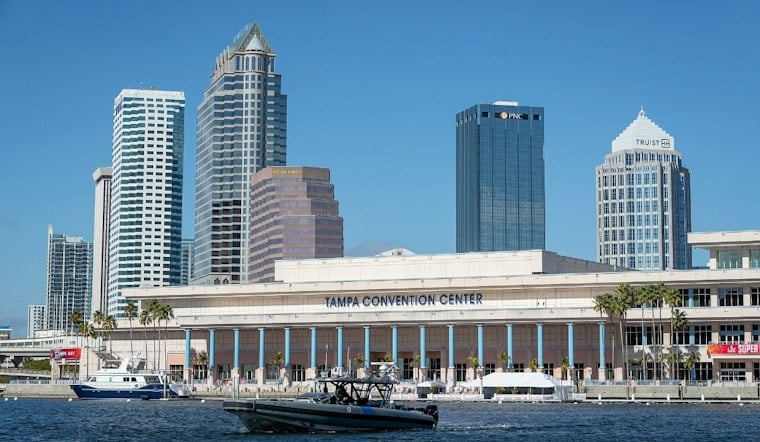
Tampa Convention Center has become the first convention center anywhere to earn TravelAbility Approved accreditation, a designation recognizing venues that exceed basic accessibility requirements for guests with disabilities. The distinction follows accessibility work inside the downtown Tampa facility, including staff training, sensory-support kits, and bilingual emergency communication tools built for visitors who may need extra support.
The accreditation comes from TravelAbility, the organization that developed the program to evaluate meeting and event venues on operational readiness, staff training, and inclusive hospitality practices. According to 10 Tampa Bay, the program does not focus solely on Americans with Disabilities Act compliance, instead looking more broadly at how a venue actually functions for visitors with varying needs. TravelAbility has described the accreditation as a formal recognition for venues that meet rigorous standards for inclusive infrastructure and comprehensive staff training, according to TravelAbility Insider.
Tampa Convention Center Executive Director David Ingram said accessibility is essential to delivering exceptional hospitality, crediting staff training and expanded accessibility resources with helping the facility earn the distinction, per the same report. The center introduced Distract Paks providing sensory-support resources and designed communication cards for visitors with communication disabilities, part of a broader push that also includes an online resource detailing the venue's accessibility features.
A Partnership With USF Behind the Scenes
Much of that groundwork traces back to a partnership between the convention center and the University of South Florida's Center for Autism and Related Disabilities, known as CARD-USF. The collaboration expanded the venue's accessibility efforts through training and resources, according to the University of South Florida. Staff received training from CARD-USF on autism spectrum disorder and strategies for accommodating guests with varying sensory needs, part of a broader effort to make large-scale events less overwhelming for attendees who process sensory input differently.
Out of that training came concrete tools now available at the venue: emergency communication cards available in English and Spanish, and Distract Paks containing noise-canceling headphones, sensory toys, and fidget items, the university says. The partnership is described as an extension of the City of Tampa's ongoing collaboration with CARD-USF through the Autism Friendly Tampa Initiative, tying the convention center's work to a longer-running citywide effort rather than a standalone project.
City Officials Frame It as a New Benchmark
City of Tampa ADA Coordinator Raquel Pancho said the recognition reflects Tampa's commitment to welcoming and inclusive public services and programs for all visitors, per 10 Tampa Bay. Officials also said the accreditation establishes a new accessibility benchmark in the meetings and events industry and positions Tampa as a leader in inclusive tourism and hospitality, according to the same report.
The TravelAbility Summit itself was held in Tampa from November 9–11, 2026, giving the announcement a hometown stage. TravelAbility has said its broader slate of 2026 initiatives is designed to help destinations, venues, and vendors move from intention to action on accessibility, a shift the organization frames against a looming demographic reality: by 2030, all baby boomers will be over 65, and an estimated 50.1 million Americans are projected to be living with a disability, per TravelAbility Insider.
Part of a Broader Tampa Push
The convention center's accreditation lands alongside other recent recognition for the venue, which won the 2026 Venue Excellence Award from the International Association of Venue Managers, according to the City of Tampa. Tourism promotion in the region has leaned into accessibility messaging too — Visit Tampa Bay built a campaign around travel ambassador Jamie Santillo that included video, blogs, new advertising creative, and influencer collaborations, according to a case study from Destinations International. That campaign reportedly drove a 30 percent increase in traffic to the organization's Accessible Travel page within its first three months, the case study found, suggesting a real appetite among travelers for this kind of information once it's made visible.
Taken together, the convention center's accreditation and the city's accessibility programming point to a coordinated push rather than an isolated announcement. For now, the specific benchmarks that earned Tampa Convention Center its new title remain largely outlined in brief, with the fuller evaluation criteria not yet detailed in the materials available.





