

























































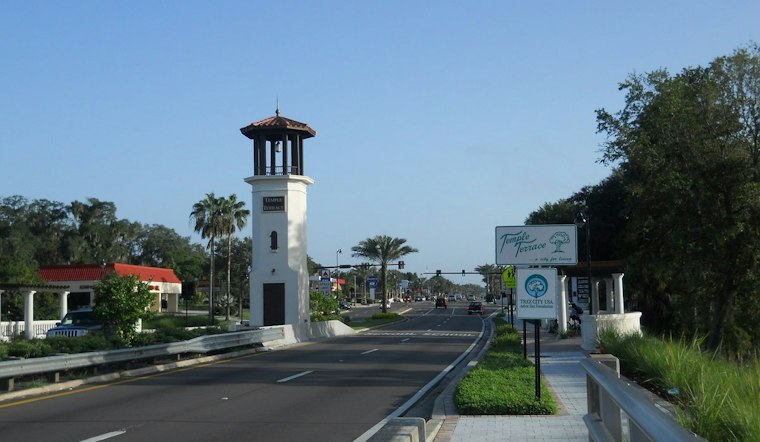
Temple Terrace is staring down a $4 million annual hole in its budget after Florida voters approved Amendment 3, and Mayor Andy Ross says he cannot promise the city will avoid laying people off to cover it. The measure, which expands the state's non-school homestead exemption to $250,000 starting in 2028, passed statewide on Nov. 3, and city officials have spent months warning that the fallout would be severe.
According to the Tampa Bay Times, Temple Terrace leaders fear the lost revenue will force some combination of higher taxes, new fees or layoffs. City Manager Carlos Baia had already projected the hit at $2.6 million in fiscal 2028, climbing to $4 million in fiscal 2029, based on current ad valorem revenue, according to Tampa Bay Beacons. In a more recent report from the same outlet, the city now estimates the reduction at about $4 million annually once the exemption is fully phased in.
Ross did not mince words about the legislation that put Amendment 3 before voters. He described it as sloppy and poor, and said the lawmakers who sent it to the ballot were lousy and ill-thought-out, per the Tampa Bay Times. The mayor argued the Legislature should have given more consideration to the amendment's long-term consequences before letting voters decide its fate.
Layoffs Not Off the Table
“I don't know if we'll be able to do it without laying people off,” Ross said, according to the Beacons report from Nov. 9. Before the vote, Baia had floated softer options — leaving vacant positions unfilled, trimming hours at the library, senior center and Family Recreation Complex, and eliminating jobs only if necessary, the outlet reported over the summer.
The squeeze comes as the city's own tax base has barely grown. Taxable values rose just 1.71% this year, generating $337,762 in new ad valorem revenue, down sharply from $825,338 the year before, per the same account. That thin cushion is part of why Baia's proposed fiscal 2027 budget held the tax rate flat for a 10th straight year, even as officials warned the following years would be tougher.
Rising Equipment Costs Add Pressure
Ross has also pointed to the rising cost of public-safety gear as a complicating factor. Police vehicles that used to run $40,000 now cost $60,000, he said, while ambulances that once came in under $300,000 now cost roughly $500,000. Fire trucks, he noted, can run as high as $1 million — expenses the city will have to absorb even as its tax revenue shrinks.
Those costs land just months after Temple Terrace voters approved a $50 million general obligation bond in August to build a new police headquarters and a third fire station on Harney Road, the Beacons reported. The timing leaves city leaders managing a major capital project alongside a shrinking operating budget.
A Statewide Budget Reckoning
Temple Terrace is far from alone. Florida TaxWatch estimates Central Florida local governments alone face roughly $10 billion in lost revenue over the next five years, according to Central Florida Public Media. Statewide, the same research group projects local property-tax revenue could fall $4.9 billion in the first year and $45.8 billion over five years, while the state's Office of Economic and Demographic Research has estimated an $11.834 billion annual impact once the amendment is fully in effect, according to the Tallahassee Democrat.
An analysis by the Orlando Sentinel found the impact varies widely by community, with fully phased-in losses ranging from about 4% of Eatonville's general fund to 32% of Lake County's. The Sentinel's figures show Orlando projected to lose about $60 million, or roughly 7.6% of its general revenues, while Oviedo could lose more than $10.4 million, nearly 23% of its roughly $46 million budget, and the small town of Howey-in-the-Hills is projected to lose $936,752, equal to 22.5% of its general fund.
Other Florida communities are already weighing their own responses. Brevard County expects to lose about half a billion dollars, with County Commission Chair Thad Altman warning that cuts could hit mosquito control, agricultural programs and parks, per Central Florida Public Media. Winter Park projects a $6.7 million annual loss from its $94 million general fund once the full exemption takes hold in 2028, and Sanford commissioners have agreed to study a potential fire-services fee before finalizing their next budget. Flagler County's acting administrator has estimated general-fund reductions of $27.5 million in 2027-28 and $45.6 million the year after, according to FlaglerLive, though the state's Revenue Estimating Conference has put those figures even higher, at $33 million and $59 million.
For Temple Terrace, the exact mix of cuts, fees or tax changes needed to close its own gap has not yet been decided. What's clear is that the $250,000 exemption Florida voters just approved will ripple through city budgets for years, and Temple Terrace's leadership is already signaling that painless solutions are unlikely to exist.





