

























































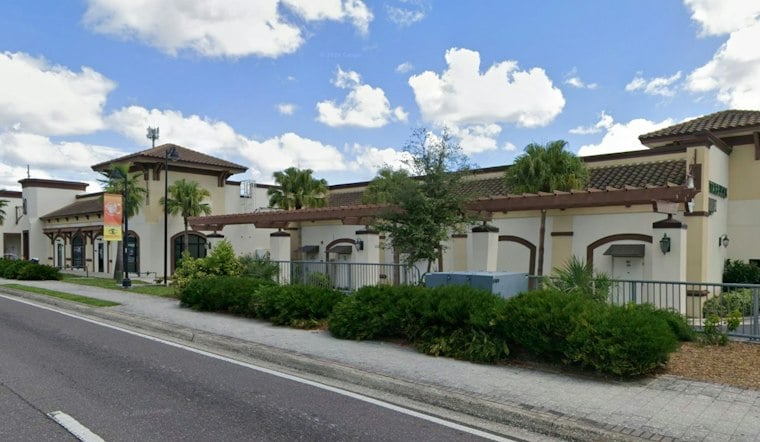
Temple Terrace City Council signed off on a $1.65 million land sale Nov. 17, handing a 1.75-acre city-owned parcel near Fountain Shoppes to Fountain Square TT LLC — but only after attaching a list of deadlines, deposits and a buyback clause designed to keep the project from stalling out.
The council approved both the sale and an accompanying development agreement for 8901 N. 56th Street at its Nov. 17 meeting, according to Tampa Bay Beacons. The parcel sits in the Community Redevelopment Area, immediately south of the Fountain Shoppes, and the sale price covers the full 1.75 acres. Fountain Square plans to build a roughly 25,400-square-foot, two-story mixed-use building there, with space set aside for restaurants, food and beverage tenants, and retail.
Fountain Square was selected for the project back on June 2, after agreeing to match a competing $1.65 million bid — up from its original $1.5 million offer, per the same account. That bump in price didn't come with a loosening of terms; if anything, the opposite happened, as the city built in a thicket of financial safeguards before finalizing the deal this month.
Deposits, Deadlines and Money on the Line
The purchase agreement requires Fountain Square to put down a $100,000 deposit within 10 days, and the buyer has 90 days to inspect the property and walk away with that money refunded. After the inspection window closes, the deposit becomes nonrefundable, the report notes.
Layered on top of that is a separate $175,000 in security tied to the development agreement, which the buyer can earn back by hitting five project milestones. Those include getting a final site plan approved within one year, closing on the property within 60 days of that approval, securing a building permit within six months of site approval, applying for a certificate of completion about 18 months after the permit is issued, and signing tenants for at least half the building's available space within six months of completion.
Each of those five deadlines is worth between $25,000 and $50,000. Meet it, and the developer gets that money back; miss it, and the city keeps it, the outlet reports. City Manager Carlos Baia described the structure as doing double duty, saying each milestone serves as an incentive and a penalty — language he also used to describe the broader deal, telling the council the agreement protects the city and motivates the buyer.
A Performance Bond and a Three-Year Trapdoor
Beyond the milestone payments, the agreement requires a performance bond meant to protect the city if construction begins but the developer can't finish the job. And if construction hasn't started within three years of the sale, the city holds the right to buy the property back for the same $1.65 million it sold it for.
That buyback provision traces back to Mayor Andy Ross, who pushed for it when the council first selected Fountain Square in June. Ross cited concern that a stalled project could repeat the experience of the slow-moving Enigma Plaza, a separate downtown development whose original site plan was approved in 2021 and whose amended final site plan was approved Oct. 15, 2024, according to the Tampa Bay Times. That 34,000-square-foot building is expected to eventually house retail stores and restaurants of its own.
Earlier reporting from the Tampa Bay Beacons on the 56th Street parcel had described a two-story Mediterranean-style building with a shopping promenade, rooftop dining and roughly 12,000 square feet of public gathering space, part of the city's broader push to pick developers for its downtown corridor.
Questions Over Loopholes and Buyer Vetting
Not every council member was satisfied that the buyback clause was airtight. Erik Kravets questioned whether a developer could sidestep the provision entirely by erecting a few steel beams just before the three-year deadline, and warned that if the construction-progress language was too weak, a developer could do the bare minimum while the city effectively lost its leverage over the property.
City staff agreed to clarify how much construction must actually be completed to head off a buyback — though the specific wording or threshold they landed on isn't yet spelled out in available reporting. Kravets also pressed on a separate point: why the contracts didn't include buyer assurances confirming purchasing authority and compliance with federal anti-money-laundering and sanctions laws.
Those concerns ultimately shaped the final vote. The council's motion passed only after being amended to add a request for proper buyer representations in the contracts, with both the sale and the development agreement clearing on Nov. 17 following that change.




