

























































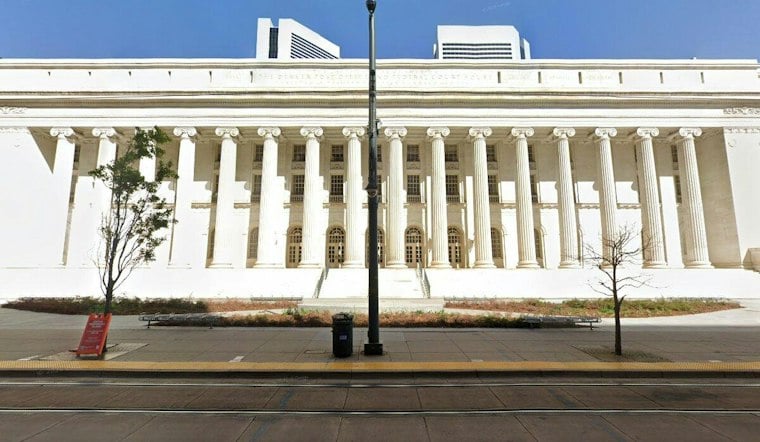
Lawyers appearing before the Tenth U.S. Circuit Court of Appeals in Denver could soon have to put their name behind a promise: that a human being, not just a chatbot, checked their citations. The court has proposed a rule requiring attorneys to certify that AI-assisted filings were reviewed by humans for accuracy, a move that would make it the first federal appeals court to adopt an AI-specific rule of this kind.
The proposed rule would require lawyers to certify that a human reviewed any AI-assisted filing for accuracy, while litigants would certify that a person independently verified the accuracy and existence of every cited authority and quotation from court precedent. Brownstein Hyatt Farber Schreck describes the measure, known as Rule 46.5, as a proposal that would take effect January 1, 2027, if adopted.
Why the Court Acted Now
The proposed rule addresses concerns about fake case citations in court filings. Brownstein says the proposal would authorize sanctions against a document's signer, the represented party, or both, according to bhfs.com.
The court's proposal was open for public comment until mid-October, and findings were still awaited afterward. That process stands in contrast to what happened at another federal appeals court just two years ago.
A Different Outcome in New Orleans
The Fifth Circuit scrapped plans to adopt a similar AI rule in 2024 after members of the bar in New Orleans pushed back, arguing existing rules could already sufficiently address AI-related issues. The same account notes the Fifth Circuit's attempt at an AI certification rule was abandoned following that opposition. The circuit instead issued a 2024 notice reminding lawyers of their existing duties to check filings for truthfulness and accuracy, stating plainly that “‘I used AI’ will not be an excuse for an otherwise sanctionable offense,” according to the ABA Journal.
Not every court has waited for a formal rule to address the problem. Several judges in the U.S. District Court for the District of Colorado already have standing orders in place requiring AI-use disclosure and human accuracy review of briefs, per bhfs.com's reporting. Brownstein also estimates that approximately 2,202 known legal decisions since roughly 2023 have involved generative AI producing hallucinated content — a figure that underscores how widespread the citation problem has become, though the underlying methodology behind that count was not detailed.
Courts Are Still Sorting Out Accountability
The accuracy question isn't confined to the party actually using AI. On March 30, 2026, the Seventh Circuit addressed sanctions after petitioner’s counsel cited two non-existent cases and a false quotation, which opposing counsel failed to catch, in a dispute detailed by Legal 500. In that case, the court emphasized that lawyers remain responsible for verifying citations and quotations in their own filings, even when AI tools helped generate them, stating that “those efficiencies do not absolve attorneys of their fundamental duty to verify the accuracy of their work and submissions to the courts.”
Taken together, the Tenth Circuit's move, the Fifth Circuit's retreat, and the Seventh Circuit's sanctions dispute paint a picture of federal courts still feeling out how to police AI-generated legal work. For now, the clearest marker is the proposal in Denver: if adopted, it would require lawyers practicing before the Tenth Circuit to certify that a human reviewed AI-assisted filings for accuracy.





