

























































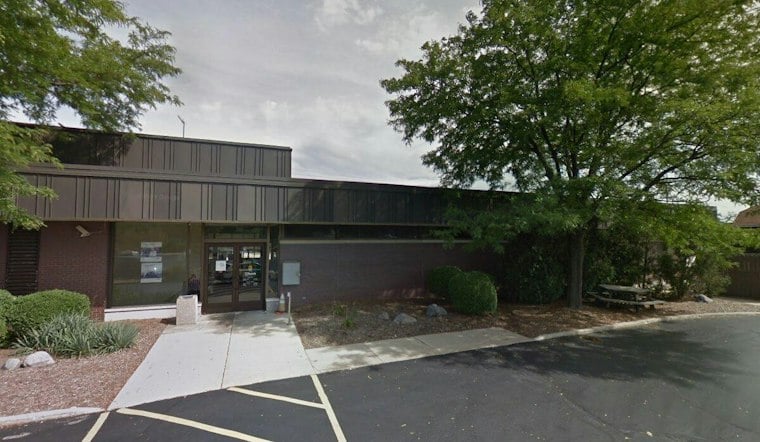
Thieves made off with roughly $230,000 from U.S. Bank ATMs on 27th Street in Greenfield over two nights in March, hitting the machines 13 times in a single six-hour span, according to search warrants. A few days earlier, a crew pulled roughly $110,000 from UW Credit Union ATMs on North Port Washington Road in Glendale, visiting six times in just three hours.
Both heists relied on a scheme known as ATM jackpotting, reports WISN, which first detailed the Greenfield and Glendale cases. The name comes from the way criminals describe a successful run: hitting the jackpot. The method involves tricking an ATM into spitting out cash it was never supposed to give up, rather than breaking into a vault or robbing a teller at gunpoint.
Greenfield police told the station they have since closed their case for lack of leads. Glendale police, meanwhile, say they are still working to determine whether the two crimes are connected and who was responsible. A search warrant in the Glendale case states investigators believe one suspect may be from Chicago, though the station reported that person has not been charged with a crime.
How the Machines Get Hacked
FBI Milwaukee Special Agent in Charge Alan Karr, speaking to the same station, said jackpotting crews typically work in teams: some members case an ATM for weaknesses before others return to exploit them. Once a machine is identified, thieves use a key to open its front compartment, then connect a hard drive loaded with malware, or their own computers, to hack the machine into dispensing cash.
Karr described the crime as a new form of bank robbery, one that skips the violence typically associated with the term. The FBI issued a warning to banks and the public about jackpotting earlier this year, and Karr recommended that banks update their software, strengthen physical protections on ATMs and install cameras nearby to deter and catch offenders.
A Growing National Pattern
The Greenfield and Glendale thefts are part of a wider surge. Banks have reported 1,900 jackpotting incidents nationwide since 2020, according to FBI figures cited by WISN, and in 2025 alone, 700 incidents led to banks losing more than $20 million — though an FBI bulletin snippet frames the figure slightly differently, stating that over 700 of the 1,900 incidents reported since 2020 occurred in 2025. Elsewhere, the Telegraph Herald reported that authorities in its coverage area responded to at least three jackpotting schemes over the prior year, describing the crime as one where malware forces a bank ATM to dispense cash.
Wisconsin has already seen several of these cases move through the courts. A jackpotting theft at Simplicity Credit Union in Marshfield in December 2024 netted $114,550, according to the Wausau Pilot & Review, which reported that surveillance video showed a suspect using a Bluetooth keyboard and a black and yellow flathead screwdriver to get into the ATM panel. And in November 2025, investigators say Edison Landaeta Martinez stole $41,000 from a Summit Credit Union in Waukesha using the same tactic, part of a spree that FOX6 Milwaukee reported also hit banks in Wauwatosa and Oak Creek that day, totaling just over $222,000. A separate Chicago man, Enhnort Araujo-Valero, faces accusations of ATM jackpotting in multiple Central Wisconsin cases, according to WSAU.
Customers Were Not Affected
Both financial institutions targeted in the Greenfield and Glendale cases say their customers were not on the hook for the stolen money. UW Credit Union confirmed the March 4 criminal activity at one of its Glendale ATMs but said member accounts and funds were not impacted. U.S. Bank similarly told the station that none of the cash taken came from customers' accounts.
That distinction matters for anyone who banks at either institution, since the losses in these cases are absorbed by the banks rather than individual account holders. Still, with Greenfield's case closed and Glendale's investigation ongoing, the people behind the two heists remain unidentified for now.




