

























































President Donald Trump has made taming the cost of a college degree one of his signature second-term policy goals, but new figures show tuition still climbing at both public and private four-year schools heading into the 2026-27 academic year. Average published tuition and fees reached $12,290 for in-state students at public four-year colleges, up 2.9 percent before adjusting for inflation, while private nonprofit four-year schools now average $46,350 a year.
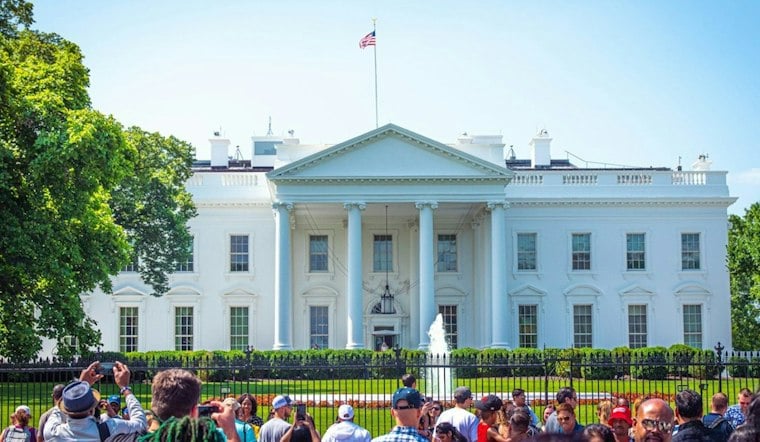
The increases come as the administration has rolled out a string of policies meant to pressure schools toward lower costs, including caps on certain student loans and new rules tying financial aid eligibility to graduates' earnings. As Bloomberg reports, college prices have proved stubbornly resistant to pressure, with sticker prices continuing to rise rather than fall. Trump appeared alongside Education Secretary Linda McMahon at a White House Rose Garden event on August 24, 2026, where the administration has floated funding preferences for universities that prioritize affordability, according to the same report.
What the New Federal Rules Actually Do
The policy shift traces back to a budget reconciliation bill Trump signed on July 4, 2025, according to TICAS. The law lets colleges set lower annual loan limits for students, so long as the policy applies consistently to everyone in the same program of study, and it caps Parent PLUS borrowing at $20,000 per year per dependent student, with a $65,000 lifetime limit, starting July 1, 2026.
On the earnings-accountability side, a Congressional Research Service product describes Section 84001 of the law as adding a statutory earnings test to existing accountability measures for programs that take part in the Direct Loan program, per congress.gov. The Education Department has separately argued that unlimited federal borrowing for graduate school did little to improve access in the first place, stating that research shows “unlimited federal borrowing for graduate school has had little to no effect on access,” according to the department's own fact sheet.
Tuition Keeps Climbing Despite the Pressure
Even with those new guardrails in place, the headline numbers from the College Board tell a straightforward story: prices are still going up. Average published in-state tuition and fees at public four-year colleges for 2026-27 ranged from $6,360 in Florida up to $18,710 in New Jersey, according to research.collegeboard.org.
There is a longer-term counterpoint buried in the same data. After adjusting for inflation, average net tuition and fees paid by first-time, full-time in-state students at public four-year institutions peaked back in 2012-13 at $4,600 in today's dollars and has since fallen to an estimated $1,920 for 2026-27, the College Board's figures show. That decline reflects what students actually pay after aid, a very different number from the rising sticker prices making headlines now.
A Handful of Graduate Programs Are Cutting Prices
Outside the four-year sticker-price picture, there are pockets of movement at the graduate level. A tracker from the American Enterprise Institute found that 52 graduate schools or programs lowered their net prices in the wake of the reconciliation law, as reported by Newsweek. Only 11 of those 52 institutions made outright tuition cuts, though; the rest leaned on scholarships, targeted discounts or tuition freezes instead.
One standout example cited in the tracker is Wayland Baptist University, which cut graduate tuition at its flagship campus by more than 35 percent, Newsweek reported. It is one example of a graduate program cutting tuition.




