

























































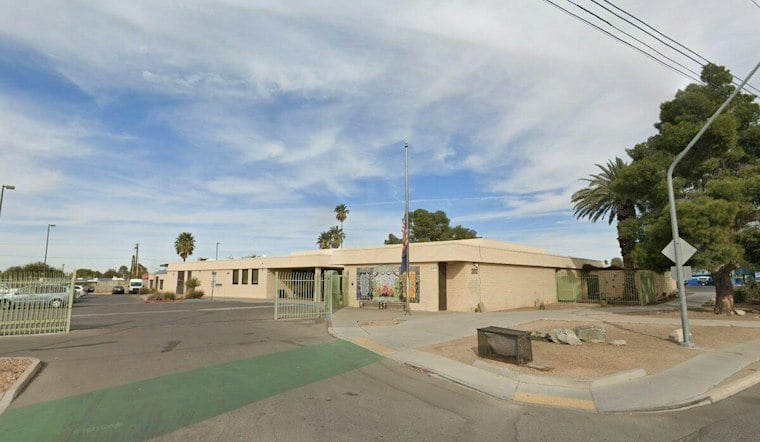
The U.S. Air Force is weighing two ways to strip toxic PFAS chemicals from groundwater beneath Air Force Plant 44 near Tucson International Airport, and the clock is ticking for residents who want a say. Community members can submit written comments through Nov. 20 on a proposed cleanup that would add new treatment technology to an existing groundwater system south of downtown.
According to KVOA, the Air Force opened a 30-day public comment period on Oct. 21 for the proposed PFAS removal action. Officials held a public meeting that same evening at El Pueblo Senior Center, with a poster session starting around 5 p.m. followed by the main presentation from 5:45 to 7:45 p.m. Written feedback can still be mailed to Roger McCready, AFCEC/CZRC, 2145 Monahan Way, Building 28, Wright-Patterson Air Force Base, OH 45433, or emailed to [email protected], with McCready serving as the project representative with the Air Force Civil Engineer Center. Residents can also review project documents at the Valencia Public Library at 202 W. Valencia Road in Tucson.
The Air Force’s proposed action concerns the fire engine wash outfall within the Tucson International Airport Area Superfund site. An Air Force evaluation, as described by Arizona Luminaria, says fire trucks carrying firefighting foam containing PFAS were washed near a storm drain after training exercises from 2007 to 2015. Runoff flowed toward the wash outfall, and the Air Force identified the foam as a likely source of PFAS found in nearby soil and groundwater during a 2020 inspection. The Air Force Plant 44 facility, built in 1951 to manufacture missiles, is operated by Raytheon for the Air Force. The Air Force says it is still investigating the extent of contamination.
Two Treatment Options on the Table
The proposed cleanup would add PFAS treatment to an existing groundwater treatment system that already removes volatile organic compounds and 1,4-dioxane. The Air Force has recommended granular activated carbon and ion exchange as the two possible treatment methods, per the same KVOA report. Granular activated carbon traps contaminants in carbon-based materials, while ion exchange captures PFAS using specialized materials, and tests are currently underway to determine which method — or combination of the two — removes PFAS most effectively.
Cost estimates attached to the proposal show granular activated carbon treatment running an estimated $19.5 million over 30 years, compared with $22.8 million for ion exchange. The Arizona Department of Environmental Quality has said the broader goal is to prevent the chemicals from migrating toward local drinking water supplies, and ADEQ's project page lists PFOA, PFOS and PFNA among the compounds detected above project screening levels at the site. After the comment period closes, the Air Force will review public feedback and select a cleanup alternative, documenting its choice in an action memorandum summarizing comments and responses; the final memorandum will be posted through the Air Force Civil Engineer Center's online administrative record, where the engineering evaluation is listed under record no. 13164.
A Longtime Watchdog Wants More Time
Yolanda Herrera, a longtime clean water activist and co-chair of the Unified Community Advisory Board, has lived her entire life on Tucson's south side. The board, formed in 1995 to give community members a voice in cleanup efforts, has been Herrera's venue for raising concerns since she began attending meetings that same year — work that traces back to 1981, when her father began investigating illnesses among their neighbors. The Air Force presented its cleanup proposal at an Oct. 21 Unified Community Advisory Board meeting, but Herrera said she would have preferred a separate public meeting dedicated solely to the cleanup, noting that short comment periods and complicated documents can make it difficult for community organizations to arrange their own informational sessions.
“Community members can express concerns and hold the government accountable,” Herrera said, according to the board's longtime framing of its mission. She credits Tucson Water with protecting the local drinking water supply so far, but remains worried that aging treatment equipment and delays could spread pollutants into areas that have already been cleaned. Herrera believes the Department of Defense should take greater responsibility for contamination stemming from its own facilities.
Making Technical Documents Accessible
Paloma Beamer, an environmental health sciences professor and associate dean for community engagement at the University of Arizona College of Public Health, said residents should have a right to participate in environmental risk-benefit decisions that affect their health. She noted that technical cleanup proposals can make meaningful participation difficult for people without engineering or environmental science backgrounds, and argued that cleanup proposals should do more to explain their public health implications in plain terms.
The cleanup could ultimately cost multiple millions of dollars, underscoring the stakes for a south-side community that has spent decades pushing for accountability. Industry guidance from the Interagency Technology & Regulatory Council notes that full-scale PFAS treatment nationwide is generally limited to technologies that remove or bind the chemicals rather than destroy them, and that granular activated carbon and ion exchange media have both been proven effective at full scale — though the council cautions that treatment technologies are still evolving and that long-term remedies warrant care.
Tucson has faced PFAS contamination questions beyond Air Force Plant 44 as well. Groundwater beneath Davis-Monthan Air Force Base, a separate site, has also been contaminated by PFAS, and KOLD has reported the city is considering a partnership with Warbird National that could speed that cleanup process to completion within two to three years.
How Other PFAS Actions Fit the Picture
The U.S. Environmental Protection Agency’s Tucson International Airport Area site profile says the separate Tucson Airport Remediation Project treatment system added granulated carbon to remove PFAS in 2019. That earlier work is distinct from the current Plant 44 proposal and does not establish the status of Plant 44’s proposed treatment or current drinking-water testing.
Broader federal cost projections are also separate from this site’s estimates: in a February 2025 report, the U.S. Government Accountability Office said the Defense Department expected its estimated future PFAS investigation and cleanup costs to rise as investigations clarify required work. Separately, the Arizona Daily Star reported that Tucson sued the Air Force in December 2024 over alleged PFAS contamination at Davis-Monthan Air Force Base; the city’s lawsuit claimed the pollution was contaminating the city’s water supply. Davis-Monthan is a separate site from Plant 44.



