

























































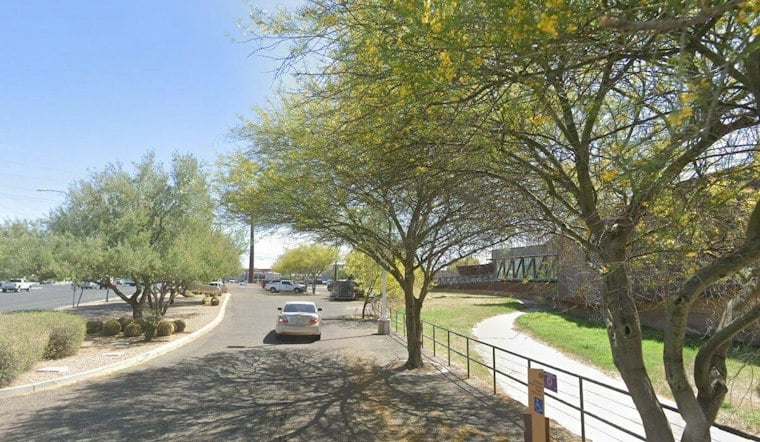
Tucson officials are considering bringing back photo-enforcement cameras to combat a major rise in traffic deaths, with road fatalities up roughly 80% since the city's last camera program shut down in 2016. The idea is still a long way from reality — voters banned the cameras back in 2015, and any comeback would require them to reverse course at the ballot box.
According to KVOA, city administrators are recommending that the Mayor and Council refer a measure to the November 2027 ballot that would repeal Tucson's 2015 photo-enforcement ban. Before that can even happen, the city has to clear a logistical hurdle: Tucson is currently running a procurement process to select a photo-enforcement vendor, and officials expect to execute a conditional contract before the end of the year. Even then, nothing is final — Tucson voters must still approve the ballot measure in November 2027 to officially authorize the program and repeal the local ban.
How the Numbers Stack Up
The push comes as Tucson's road-safety picture has grown bleaker. Separately, tucson.com reported that the city had recorded 44 fatal crashes so far that year, according to police figures, and that a recent Smart Growth America report ranked Tucson the fourth deadliest city in the country for pedestrians. That same report noted that reintroducing cameras would require repealing the 2015 proposition that banned them in the first place.
The Tucson Police Department has also flagged the trend. Traffic-related deaths in Tucson are slightly up compared with last year, especially among pedestrians, the department said, as reported by KOLD.
Police Lean on Officers While Cameras Are in Limbo
With cameras still years away from a possible return, Tucson police have been relying on a different strategy in the meantime. Prieto said her department implemented problem-oriented precision policing for traffic enforcement in March, per the same KOLD report, sending officers from all units — not just traffic enforcement — to auto-dispatched hot spots for 20 to 30 minutes per day. The approach has led to more than 3,000 deployments since March and 34% more warnings and citations than during the same period last year, the station noted.
Funding and the Road Ahead
Money is also part of the pitch. The City Manager anticipates that the photo-enforcement program would be entirely self-funded through the citation revenue it generates, according to KVOA's reporting. The City Council will discuss the proposal further at its meeting next week, the outlet reported, setting up the next public step before any contract or ballot language is finalized.
Whether cameras actually reduce crashes in Tucson remains an open question the available evidence doesn't answer. A separate federal research excerpt found that a six-and-a-half-mile stretch of highway in Scottsdale saw an average 51% reduction in motor vehicle crashes during a speed-camera pilot program, according to a study hosted on pmc.ncbi.nlm.nih.gov — though that finding comes from a different city and isn't presented as proof of what would happen in Tucson.





