

























































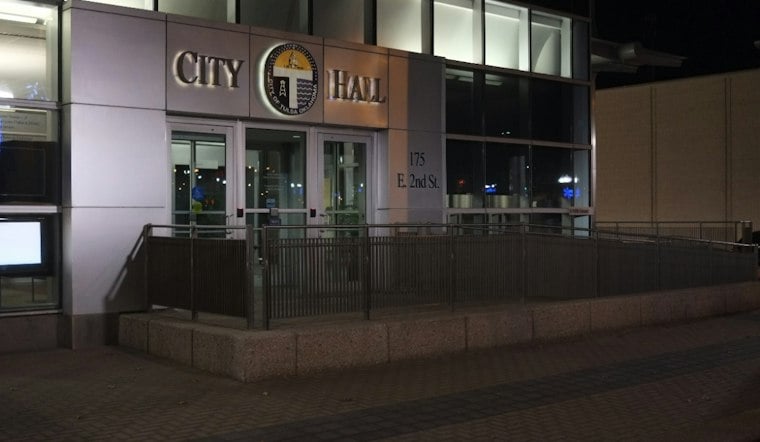
Tulsa Mayor Monroe Nichols stood before the city Tuesday night and declared that 820 people had been moved off the streets and supported in housing, part of an annual State of the City address that also touched on job growth, public safety and a fatal police shooting that has haunted his second year in office. He said the city had closed 25 encampments that remained closed, framing it as proof that Tulsa was getting stronger every day.
Nichols delivered the address on Nov. 10, according to KJRH, using the speech to lay out both the wins and the unresolved controversies of his time in office. “We have moved 820 people off the streets and who have been supported in housing,” he said, according to the station, adding that the city had “closed 25 encampments that have remained closed today.” Nichols has set a goal of bringing Tulsa to net-zero homelessness by 2030.
Housing Numbers Tell Slightly Different Stories
The city's Safe Move Tulsa initiative backs up the mayor's broad figures. A Tulsa City Council post states that 538 people exited homelessness through rapid-exit strategies, and combined with encampment-to-housing efforts, the city has helped 820 people exit homelessness — matching the number Nichols cited onstage.
But the retention figures diverge depending on the source. The city council post says 96 percent of people rehoused from encampments closed through Safe Move Tulsa have remained in housing to date. Nichols himself gave a slightly different number in late October, telling Tulsa Flyer that 94 percent of people housed from decommissioned encampments had remained housed over the prior year, per the outlet's reporting. The dossier does not explain why the two figures differ.
The broader trend is similarly contested. Housing Solutions Tulsa reported that unsheltered homelessness declined by 31.7 percent in 2026, marking the first year homelessness did not increase in five years. The City of Tulsa's own Safe Move Tulsa page, however, states that homelessness has consistently risen in Tulsa over the last three years while the resources to place people back into housing have decreased. A Point-in-Time Count recorded 1,443 people experiencing homelessness in January 2026, six fewer than the 1,449 counted the previous year, according to Tulsa Flyer's separate reporting on the count.
Jobs and Wages Rising, State Still Watching Encampments
Nichols also boasted of Tulsa's wage and job growth during the address, a claim bolstered by state economic data. Tulsa County was the only one of Oklahoma's three largest counties to record employment growth between December 2024 and December 2025, posting a 0.9 percent increase, according to The Journal Record. The outlet also reported that Tulsa County's average weekly wages rose 4.4 percent year over year in 2025, slightly outpacing the national increase of 4.2 percent — though the county's average weekly wage of $1,314 in the fourth quarter of 2025 still trailed the national average of $1,569.
Encampment clearing has also drawn state attention beyond Tulsa. Oklahoma Voice reported that the state sent nearly identical letters to the police chiefs of Tulsa and Oklahoma City, warning about the costs of clearing encampments on state property.
A Tied Vote on Police Oversight
Public safety dominated much of Nichols's remarks beyond the housing figures. He said the city was delivering on public safety while acknowledging there was much more work to do, and stressed the importance of partnerships with first responders, per KJRH's account of the speech.
That message came weeks after the Tulsa City Council rejected a proposed public safety oversight committee, which would have reported to the mayor. The council's vote on Oct. 14 ended 4-4, with Councilor Anthony Archie abstaining, effectively striking down the proposal. Nichols said at the State of the City that many recommendations from a discussion a decade earlier had already been adopted, and reiterated that he considers himself a fan and friend of transparency, saying the city tries to meet that standard every single day.
A Mother's Open Letter and a Fatal Shooting
The address also unfolded against the backdrop of the fatal shooting of Michael Glunt by a Tulsa police officer. Glunt was reportedly on a sidewalk experiencing a mental health crisis before officers confronted him, and he was armed with his mother's gun at the time. The officer involved was cleared of wrongdoing in the shooting.
Discrepancies have emerged over how many times Glunt was struck. The Tulsa Police Department originally said he was hit by three or fewer bullets, but an autopsy report later found he had been hit nine times. The department also said a body camera worn by an officer was not turned on when shots were fired.
Glunt's mother, Karmen Glunt, spoke during public comment at the Oct. 14 council meeting and said she would persist in seeking accountability. On Nov. 10, she issued an open letter demanding accountability from the city and the mayor. Nichols told reporters he did not know what Karmen Glunt had said in her letter, but said people should examine the facts of what happened — and that doing so would lead them to conclude the situation was incredibly tragic.
Education Pilots and What Comes Next
Nichols used part of the address to preview a slate of planned pilot programs aimed at young Tulsans: one to increase pre-K enrollment, support early literacy and expand youth internship opportunities, alongside efforts to study walkability barriers affecting safe routes to school and to increase rental assistance for students pursuing post-secondary education or professional credentials. He described the city's construction, neighborhood security and education agendas as all remaining in progress.
Nichols is scheduled to deliver another State of the City address to the Tulsa Regional Chamber at a luncheon on Nov. 19, giving him a second forum to revisit both the city's housing gains and the unresolved questions surrounding Glunt's death.





