

























































The search of a Tucson prosecutor’s home has opened a new line of inquiry in a years-long stalking case: whether the emails used in a probation case against YouTuber Lane Myers can be attributed to Myers, someone else, or neither. Tucson police searched the home of city prosecutor Matthew Walker and his wife, Shannon Walker, on Nov. 2, seizing six laptops—including one issued by the city—as well as cellphones and a router, The Arizona Republic reported.
The warrant, as described by the newspaper, said at least one harassing email received by the Walkers was linked to an IP address associated with their home. It sought to identify or rule out whoever created the account used to send the messages. That finding does not, by itself, establish who sent an email or whether Walker was involved. Police are also investigating allegations of possible misconduct by Walker in the probation-revocation matter, AZFamily reported.
The email evidence is under new scrutiny
The search came after a court case in which emails figured prominently. Myers pleaded guilty in July 2025 to felony charges of harassing and stalking Shannon Walker and was placed on probation with conditions barring him from speaking about either Walker. In July 2026, the Walkers reported that Myers was again posting videos that prompted others to send Shannon threatening and indecent emails, according to The Arizona Republic.
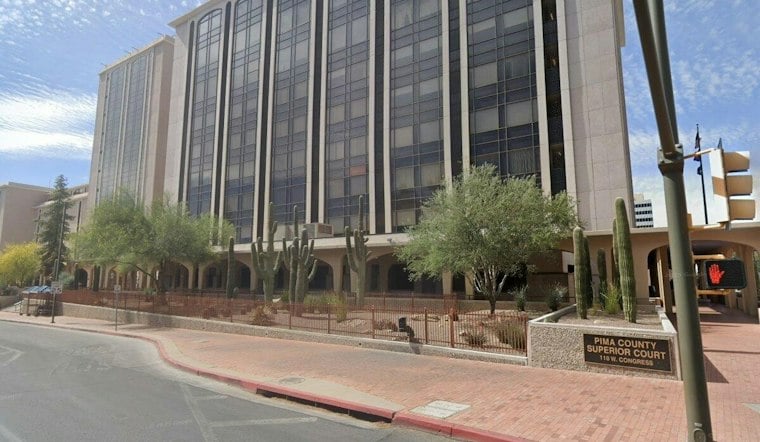
In October, Pima County Superior Court Judge Douglas Metcalf revoked Myers’ probation and sentenced him to three years in prison, citing harassing emails used as evidence against him. Myers’ lawyer, Mark Resnick, argued that Myers should not be held responsible for messages sent by other people; Metcalf said at sentencing that Myers knew what he was doing, according to KVOA.
After preliminary results from a new criminal investigation surfaced, the Pima County Attorney’s Office asked for an emergency hearing on Myers’ release. Metcalf granted a hearing on Nov. 3 but said he could not release Myers without evidence pointing to his potential innocence, KVOA reported. Deputy County Attorney Rachel Stiles said an investigation was underway and that she wanted to protect its integrity. The next hearing is scheduled for Nov. 17.
Separate inquiries, broader legal context
Walker’s city employment is being addressed separately from Myers’ custody. Tucson City Attorney Roi Lusk placed Walker on paid administrative leave on Nov. 5 while allegations of possible misconduct are investigated. Lusk said the decision was intended to reassure the public and underscore his office’s commitment to transparency, integrity and accountability, AZFamily reported. The allegations concern the probation-revocation matter; the investigation into the emails and the search of the home raise related but distinct questions.
Arizona’s stalking law includes certain repeated, unauthorized electronic communications in its definition of a course of conduct, while excluding constitutionally protected activity, according to the Arizona Legislature. That legal definition provides context, but does not resolve who sent the emails in this case or determine the outcome of either investigation.
The case sits within a broader national problem, but available national figures do not establish a local trend or explain this investigation. The Bureau of Justice Statistics estimated that 1.3%—about 3.4 million—of U.S. residents age 16 or older experienced stalking in 2019. That estimate is general context, not evidence about Tucson or the Walkers’ case.





