

























































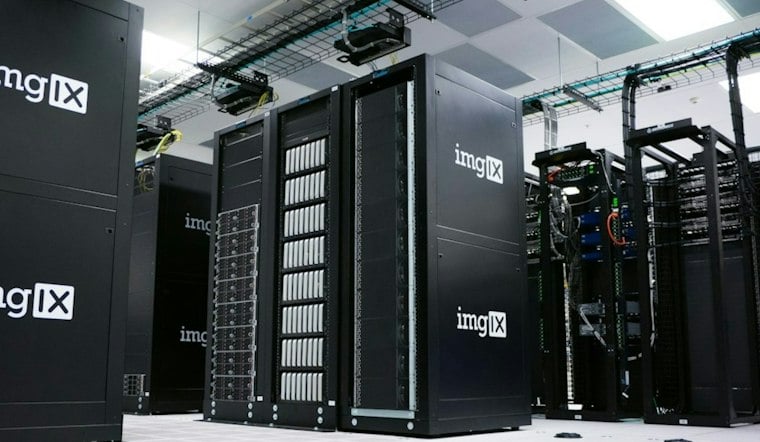
Urbana voters delivered a political earthquake Tuesday, recalling Mayor Bill Bean after nearly 15 years in office while simultaneously approving a charter amendment banning future data centers in the city. Final unofficial results showed 73% of voters backing the recall and 77% supporting the data center ban, numbers that reflect just how thoroughly the data center fight reshaped local politics this year.
The results, reported as of 10:18 p.m. Tuesday, were still unofficial, and according to WYSO, provisional ballots still needed to be counted. Bean is now the second mayor in Urbana history to be recalled, a milestone that WDTN reported capped a tenure that included the revitalization of downtown Urbana.
A Mayor's Legacy, Cut Short by a Data Center Fight
Bryce Carafa, a figure in the recall effort, said the data center debate fueled the push to oust Bean, according to WDTN's reporting. Carafa added that the recall does not erase Bean's accomplishments, calling Tuesday the start of a new day in Urbana. Ty Finkbine, also quoted in that coverage, said Bean's tenure saw downtown revitalization and a welcoming environment for small businesses.
Eugene E. Fields Jr., who served alongside Bean on the Urbana City Council, was the sole replacement candidate on the ballot and is set to become mayor. WDTN reported that the Champaign County Board of Elections was scheduled to finalize certification on Nov. 19. Fields is set to fill the remainder of Bean's term through December 31, 2027.
Fields told WDTN he opposed how the data center issue came to Urbana in the first place and wants more openness and citizen involvement going forward. He promised transparency as mayor and said work remains to finish the data center issue and rebuild community trust in city government.
The Thor Equities Lawsuit Looms Over the Ban
The charter amendment Urbana voters approved applies only to future data centers, while litigation over Thor Equities' existing proposal continues, as the Springfield News-Sun reported. Thor Equities sued the city, its council and its building and zoning appeals board seven days after council members removed data centers as a permitted use following a June meeting. Council members had approved a 12-month moratorium on new data centers in March.
That legal fight isn't resolved. The Urbana City Council did not vote on or table a proposed settlement with Thor Equities during its Tuesday meeting, according to Peak of Ohio, which reported the council is expected to revisit the settlement at its next regular meeting on Nov. 17. Thor's proposal remains part of the ongoing litigation.
Residents who pushed for the ban had raised concerns over the months leading up to the vote about data center noise, water use, traffic, and potential damage to the nearby Cedar Bog Nature Preserve, along with worries about diesel backup generators or power plants, according to earlier reporting from cleveland.com.
Part of a Statewide and National Wave
Urbana wasn't alone. Voters in 18 Ohio municipalities passed data-center bans or other restrictions on Tuesday, according to USA Today, which reported that nearly 80% of Trenton voters passed a measure banning data centers using more than 25 megawatts of electricity. Granville voters backed their own restriction amendment with 82% support, and Sunbury's measure passed with 78%, cleveland.com reported separately.
All 11 Ohio charter amendments aimed at restricting hyperscale data centers appeared headed for victory statewide, cleveland.com reported, even as tech companies and their trade groups poured more than $400,000 into opposing the local ballot measures, according to county campaign finance reports cited by the outlet. Nationally, the pushback extended well beyond Ohio: voters in at least 38 jurisdictions across the country passed bans or restrictions on data centers Tuesday, according to The Washington Post.
For Urbana, the twin results leave two threads unresolved: the Champaign County Board of Elections' scheduled certification on Nov. 19, and the ongoing legal fight with Thor Equities over its data center project.



