

























































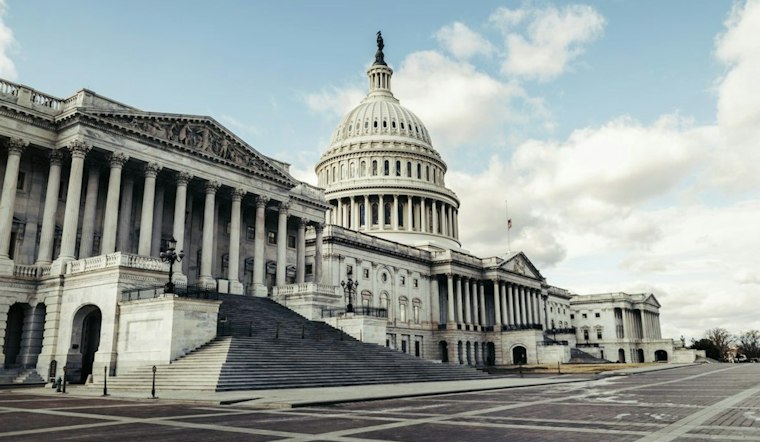
The United States is poised to become the first country to ever fully skip a regular review of its own human rights record before the United Nations Human Rights Council, after Washington walked away from a rescheduled session in Geneva. The U.S. had already missed its original appointment in November 2025, and the council pushed the review back a full year in hopes the government would reconsider.
According to The Seattle Times, the Trump administration withdrew the United States from the Human Rights Council in 2025, accusing it of anti-U.S. and anti-Israel bias and alleging the body had failed to uphold the very values it promotes. A State Department spokesperson, in an email to The Associated Press, went further, saying the United States gives no credibility to the agency and describing the council as irredeemable, accusing it of failing to uphold its values and condemn serious rights violators.
The council's own records confirm the timeline. OHCHR lists the U.S. review as originally scheduled for Friday, November 7, 2025, from 14:30 to 18:00, postponed to Tuesday, November 10, 2026, at the same hours. The U.S. previously underwent this process on November 9, 2020, also from 14:30 to 18:00.
A Mechanism Built on Universal Participation
The Universal Periodic Review examines the human rights records of all 193 U.N. member states roughly every four to five years, per the seed reporting. National delegations can at times include a dozen officials or more, and present their country's case, answer questions from other envoys, and hear recommendations — a process the council says simply cannot proceed when no national representatives show up.
OHCHR's own press release on the rescheduling notes that the United States did not participate in the UPR Working Group's 50th session, held November 3 to 14, 2025, and had not submitted a national report before its original review date. The council decided to reschedule the U.S. review with a view toward conducting it in 2026 at the 53rd session of the Working Group, while leaving open the possibility it could happen sooner, and it called on the United States to resume cooperation with the UPR mechanism.
Supporters of the system argue its mandate is exactly the point: it tracks human rights conditions in every member state, including the United States, regardless of power or standing. Critics of the U.S. withdrawal argue the walkout could encourage other countries to follow suit and damage the credibility of the review process itself, according to the seed reporting.
Deportations and Caribbean Strikes Drew Scrutiny
Ahead of the scheduled review, the United States had drawn criticism over strong-arm deportations and over targeted killings of alleged drug-runners in the Caribbean and Pacific, per the seed reporting. The Trump administration has said those strikes are designed to protect U.S. workers and keep the country safe.
Civil society groups weighed in heavily before the rescheduled date. Human Rights Watch reported that U.S. and international rights groups, including Human Rights Watch itself, submitted 192 materials for the review, describing what the organization called a dramatic worsening of the U.S. government's rights record over the past year.
Jamil Dakwar, director of the American Civil Liberties Union's human rights program, said from Geneva that the administration is signaling disregard for the review process and will continue violating human rights, and argued the council should hold the United States accountable. The ACLU and allied groups have called on the U.N. human rights chief to issue an update on U.S. rights conditions early next year.
A Rare Break From Decades of Full Participation
The U.N. Human Rights Council, created two decades before the article's publication, has a review mechanism. A full cycle lasts four and a half years under Human Rights Council resolution 16/21, with all 193 member states expected to be reviewed during that span.
There is precedent for friction, if not a full boycott. Per UPR Info, Israel withdrew from cooperation with the council during its second review cycle in 2012 before resuming engagement the following year, while Ukraine's 2022 review was postponed to the end of the fourth cycle at Kyiv's own request, citing what it called current exceptional circumstances. During the third cycle, Myanmar did not attend the council's adoption of its own UPR report and never responded to the recommendations it received, and in 2025 Nicaragua took part in its interactive dialogue only through a prerecorded message.
Eric Tistounet, a visiting professor at the Geneva Graduate Institute who served as the council's first secretary, said the U.S. walkout could damage the credibility of the council's entire review system. The council has stated plainly that it requires participation by the country under review and cannot proceed when no national representatives attend.





