

























































A Vancouver, Washington-based credit card processor accused of luring small businesses with promises of big savings, then hitting them with hidden fees and near-impossible cancellation terms, has agreed to a proposed $600,000 settlement with federal and state officials. The deal, if approved by a judge, would send that money to an estimated 300 Washington businesses that officials say were misled by Riverside Payments and its affiliated equipment-leasing company.
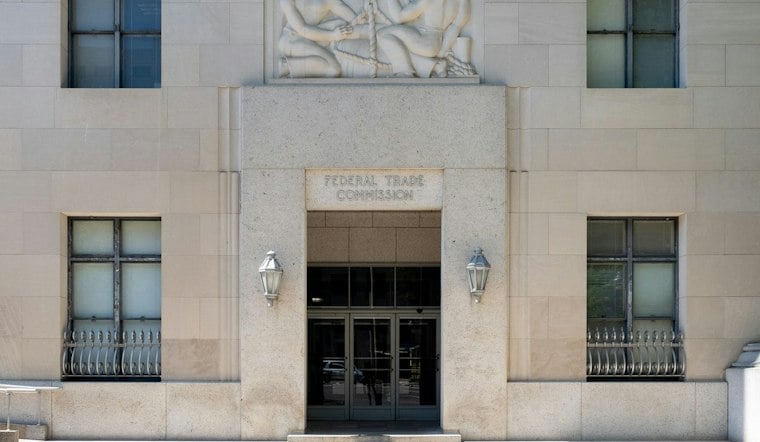
The Federal Trade Commission reached the proposed settlement with Riverside Payments and the state of Washington, according to Oregon Public Broadcasting. Officials allege Riverside misled customers through hidden fees, expensive equipment leases and contracts that were extremely difficult to cancel. The proposed order also extends to Cascade Equipment Leasing, which OPB reports is operated by Riverside executives Brandon Skinner and Jason Reese, and the two companies are registered at the same Washington address and share the same owners.
Officials say Riverside and Cascade told prospective clients they could save nearly 60% compared to their previous processor, per the FTC and Washington Attorney General Nick Brown's office, as cited by OPB. In practice, businesses that switched to Riverside typically ended up paying more than they had before, not less, even though payment processors typically charge around 2% of processed sales, per OPB's reporting.
Fees Allegedly Buried in Fine Print
Payments Dive reports that the underlying complaint accused Riverside of failing to disclose several fees in its sales quotes, including activation fees, batch fees, data-security-compliance fees and inactive-processing fees. The complaint also alleged that Riverside's contracts automatically renewed after an initial three-year term and carried a $695 early termination fee that was not properly disclosed, a figure the Washington Attorney General's office separately flagged.
Equipment leases compounded the problem for some customers, OPB reports: Riverside's leases often ran four years, even though credit card terminals typically cost only a few hundred dollars to buy outright. One complaint from a Texas restaurant described a 48-month equipment lease priced at $291 per month, amounting to an estimated obligation of nearly $14,000, according to OPB. The outlet also reports that Riverside has received around 250 complaints to the Better Business Bureau over the past three years.
What the Settlement Would Require
State and federal investigators found that Riverside likely owes its clients $32 million, OPB reports, and the proposed order would formally impose a $32,083,921 judgment against Riverside, Skinner, Reese and Cascade, according to the Federal Trade Commission. That full judgment would be suspended after a $600,000 payment, a figure the FTC attributes to the defendants' stated inability to pay the larger amount. The full $32 million would become due, however, if Riverside's leaders are later found to have misrepresented the company's finances, OPB and the Tri-Cities Area Journal of Business both report.
Notably, the proposed settlement would not cover equipment leased by businesses, according to OPB's reporting. Washington's attorney general alleged the companies violated the state's Consumer Protection Act, per the Washington State Attorney General's office. Separately, a federal complaint places Cascade at a Vancouver address and alleges the company advertised, marketed or sold payment processing services.
FTC attorney Ben Davidson said the settlement is intended to fundamentally change how Riverside and its affiliated companies do business, OPB reports. Davidson added that Riverside will no longer be allowed to make false claims about its services, rates or potential savings when recruiting new customers, and that the company must tell customers about the lawsuit and give them a chance to exit their processing arrangements if they are unhappy.
A 60-Day Window to Walk Away
If the order is approved, Riverside would be required to notify all current customers about the settlement, and those customers would then have about two months, roughly 60 days, to cancel their processing contracts without facing early termination fees or other penalties, according to OPB. Payments Dive similarly reports that the proposed order would bar the companies from misrepresenting service costs, potential savings and cancellation terms going forward.
The case now sits before the U.S. District Court for the Western District of Washington, where Judge Theresa Fricke may approve the proposed order, though OPB notes a judge could also deny the settlement or request additional information before signing off. The deal could be approved at any point going forward, but no court action had been confirmed as of publication.
A Riverside Payments spokesperson told OPB the company disagrees with the allegations but said settling would resolve the matter and let Riverside focus on its clients' card-processing needs. Brown said in the same report that Riverside and Cascade failed to serve their small-business customers honestly and transparently, in violation of Washington law.
Part of a Broader Federal Crackdown
The Riverside case lands amid wider federal scrutiny of payment processors. The Consumer Finance Monitor reports that FTC commissioners have said payment processors should take their fraud-prevention role seriously, warning the Commission will move swiftly to compel them to do so if they fail. The same report notes that payment processor Nuvei recently agreed to pay $4.85 million to settle separate FTC charges tied to processing payments for merchants engaged in deception, while Humboldt Merchant Services agreed to pay $12 million and accept a permanent ban from processing payments for merchants carrying heightened fraud risk.
In a separate case, the FTC and eight states sued payment and restaurant-technology company Toast in late October over alleged hidden fees and cancellation practices, according to ecommerceparadise.com.




