

























































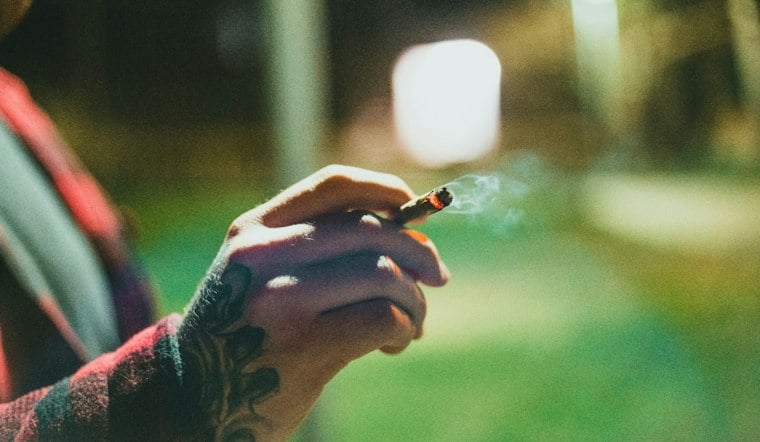
Virginia lawmakers are moving to soften a marijuana penalty before it even takes effect. A state commission has recommended lowering a civil fine for public marijuana consumption that is scheduled to jump from $25 to $250 on July 1, 2027, the same day legal retail cannabis sales are set to begin across the commonwealth.
The Joint Commission to Oversee the Transition of the Commonwealth into a Cannabis Retail Market is recommending several policy changes ahead of next year's General Assembly session, according to WRIC. Under current law, the civil fine for public consumption tops out at $25, but it is scheduled to rise to a maximum of $250 once retail sales launch. The commission recommends reducing that fine without settling on a specific replacement number, and it wants to remove the financial penalty altogether for public consumption by minors.
None of this is law yet. As WAVY.com reports, the recommendations still have to go through the full legislative process during next year's General Assembly session before anything changes on the books.
What Happens to Minors Caught With Marijuana in Public
For kids under 18, the commission's approach swaps a fine for treatment. Per the same commission recommendations reported by The Virginian-Pilot, removing the civil penalty for public cannabis consumption by children under 18 would come with a requirement that they still enter a substance abuse treatment or education program.
Delegate Katrina Callsen, who represents Albemarle, argued the fine shouldn't be a flat dollar figure at all. She said, “I would want it tied to the efficiency and ability of police to enforce the laws,” referencing a conversation she'd had with a police chief, the station's report notes. Her comments reflect a broader push on the commission to rethink the fine structure rather than simply trim the number.
Barring Lawmakers From Cashing In
The commission also wants to keep sitting legislators out of the industry they're regulating. It recommended barring General Assembly members and their immediate families from ownership interests in Virginia's marijuana industry while that member is in office and for five years after they leave office, according to the same WRIC report.
Not every outlet describes the post-office restriction the same way. Outlaw Report likewise describes a five-year post-service restriction, while WTVR reports that the staff presentation discussed a potential ban once lawmakers leave office but did not specify how long it would last.
The commission's proposals also touch on where cannabis retailers can set up shop. A separate recommendation would clarify that local governments cannot require cannabis stores to be located farther than 1,000 feet from schools, hospitals and daycares, per The Virginian-Pilot's reporting.
Steering Tax Money Toward Youth Programs
Beyond the fine structure, the commission recommended putting money into substance abuse programs that benefit youth. That proposal comes against a backdrop of thin prevention infrastructure in Virginia schools: Virginia Mercury reports that just 13% of secondary schools surveyed in September use formal screening for substance-use risk, while about one in five have a substance-use counselor on staff.
The same survey found only 11% of elementary schools and 29% of secondary schools combined classroom instruction with evidence-based prevention programs and community partnerships. Virginia Mercury also notes that marijuana-related juvenile intake complaints declined 30% from fiscal 2019 to fiscal 2024, even as the share of those complaints originating in schools rose from 17% to 54% over that same period.
Money for those programs could come from the state's new cannabis tax. A briefing cited by Virginia Mercury projected that a 6% to 8% state retail cannabis tax could generate $11.3 million in fiscal 2028, rising to $74 million by fiscal 2032. Virginia wouldn't be the first state to steer marijuana revenue toward schools — Colorado has used marijuana revenue to fund grants that help schools hire behavioral health professionals, according to the outlet's reporting.
Racial Disparity Concerns Shadow the Fine Debate
The push to lower the public-consumption fine follows warnings from youth advocates about who actually gets cited. Virginia Mercury reported in September that RISE for Youth found Black Virginians, who make up about 19% of the state's population, accounted for 47.7% of public-use citations in the data it analyzed.
Under current Virginia law, the underlying prohibition itself isn't in dispute: Virginia Code § 4.1-1108 bars consuming marijuana or a marijuana product, or offering it to another person, in a public place, with a first offense subject to a civil penalty of no more than $25. What changes in 2027, and by how much, now rests with the General Assembly as it weighs the commission's recommendations.





