

























































A barn that once belonged to a Ross family relative has completed its slow crawl down Route 519 to Ross Farm in Glyde, Washington County, giving the farm a new home for its sheep after fire destroyed the original structure in February. Crews steered the 70-foot-wide barn using remote-controlled equipment and a joystick, guiding it along the route to its new foundation.
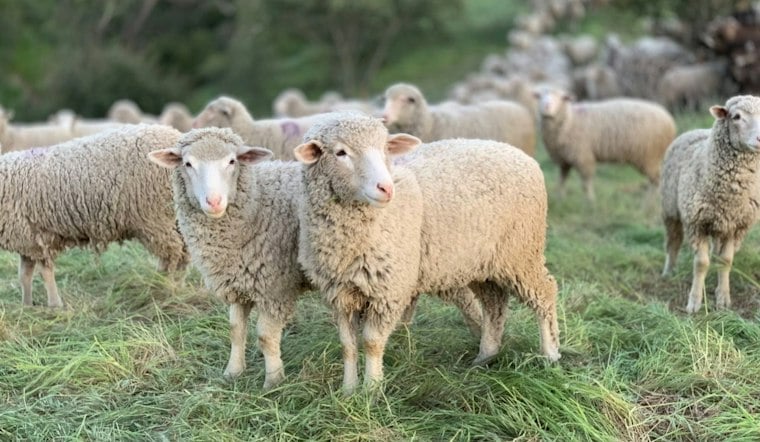
The relocation caps months of preparation that began after fire tore through the Ross Farm property in February, according to WTAE. Farm owner Amy Manko has said the blaze destroyed her barn and her flock while the sheep were locked inside for protection from coyotes, just 12 days from lambing. Reports on the toll differ: one account puts the number at 147 sheep killed, while an earlier report cited 138 sheep and two goats lost in the fire. Ross Farm was built in 1910 by Manko's great-grandfather, and WTAE reports the family had rebuilt its flock before pursuing the barn relocation.
The replacement structure, known in the family as Uncle Charlie's barn, originally belonged to Manko's great-grandfather's brother, Charlie, and is described as the last remaining piece of Charlie's historic farm, which was later converted into commercial property. The Ritter family, who live on the neighboring property, offered to donate the barn to the Washington County Historical Society after the fire. Manko has said she is grateful the structure was preserved rather than demolished or sold off in pieces.
Months of Delays Before the Move
Getting the barn ready for transport was its own project. Workers with Wolfe House & Building Movers used air jacks to raise the structure about a foot off its foundation before the move, according to observer-reporter.com. The outlet reported the barn had sat unused for about 60 years but remained in relatively good condition, and that inclement weather and other obstacles had pushed the planned move to a later date. Power lines were temporarily removed to clear the way before crews lifted the barn off its foundation and placed it on the remote-controlled equipment for the trip, and the relocation was attempted five times before it succeeded.
Clay Kilgore, executive director of the Washington County Historical Society, has said the relocation would preserve local history while helping Ross Farm rebuild. Kilgore and Sarah Collier, who works for the National Road Heritage Corridor, contacted a man named Darrell to help make the relocation happen. The National Road Heritage Corridor describes the barn as intended to serve as the primary living quarters for the farm's heritage-breed sheep as well as storage space for their feed, according to the organization.
Grief, Gratitude, and a Hundred-Year Milestone
Amy Ross Manko called the project the biggest thing to happen in Glyde in a hundred years. Manko has said she expects the barn to be fully ready for the flock in four to six weeks. By early May, the farm had already rebuilt its flock to 65 sheep housed in other barns on the property, the report's account notes.
Barn relocations like this one aren't unheard of elsewhere. In Williamston Township, Michigan, farmer Bob Barkham had a century-old dairy barn moved roughly 100 feet on his own property rather than tearing it down, a project Farm Progress reported took about four days of preparation but only 20 minutes for the actual move, with Barkham planning to convert the barn into an event space for 60 to 75 guests. Ross Farm's move covered a longer distance and carries a different purpose: giving a working flock a roof again after a fire that upended a family farm built more than a century ago.
The National Road Heritage Corridor, a Section 501(c)(3) tax-exempt nonprofit, says on its website that donations tied to the barn project go into a restricted fund used exclusively to support the effort and are tax-deductible to the extent permitted by law.



